Managing finances can feel overwhelming, especially when you’re trying to keep track of expenses. A Budget And Expense Tracking Worksheet can be a game-changing tool in organizing your financial life. This resource helps you monitor where your money goes, identify spending patterns, and ultimately save for your financial goals. Here’s how to effectively utilize this worksheet to gain control over your finances.
Understanding the Budget And Expense Tracking Worksheet
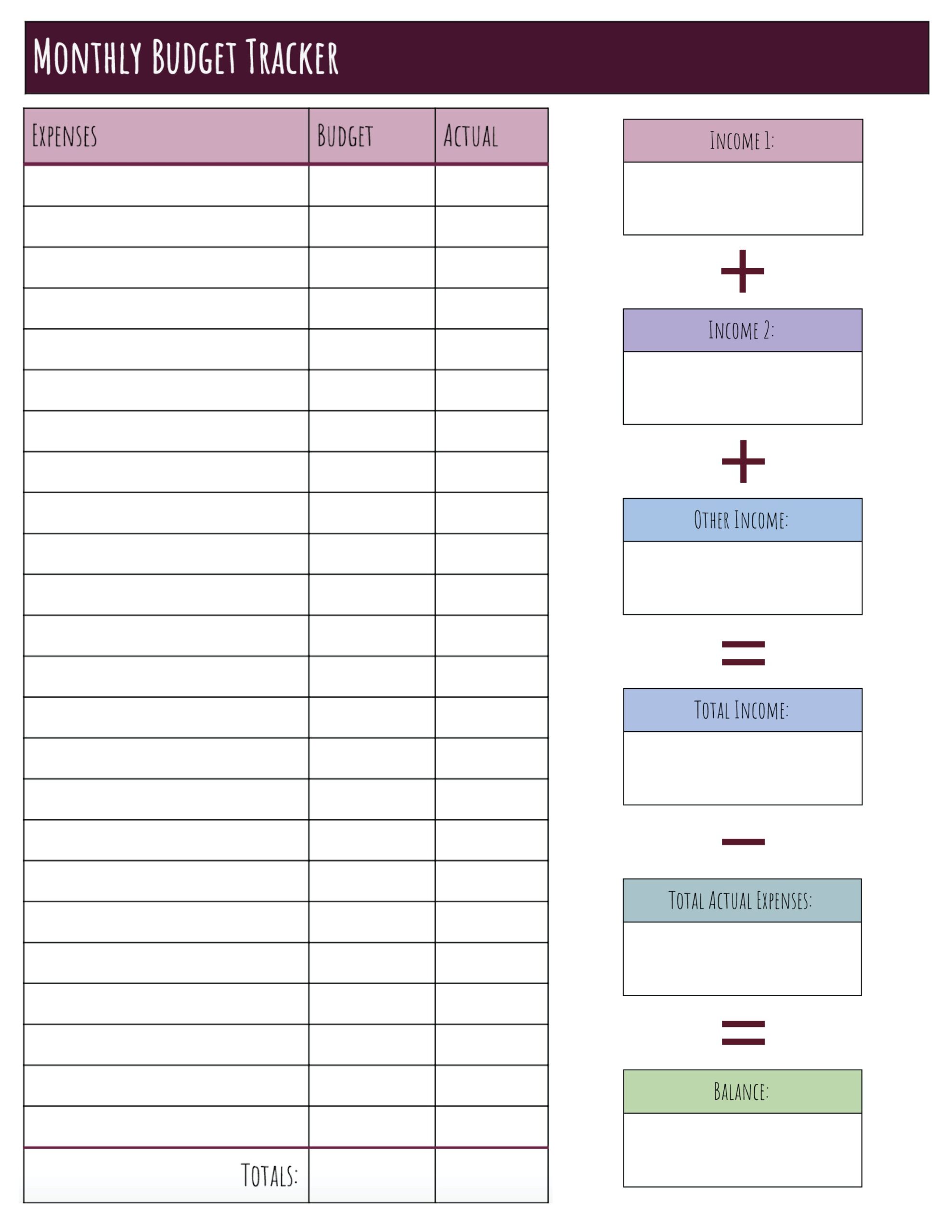
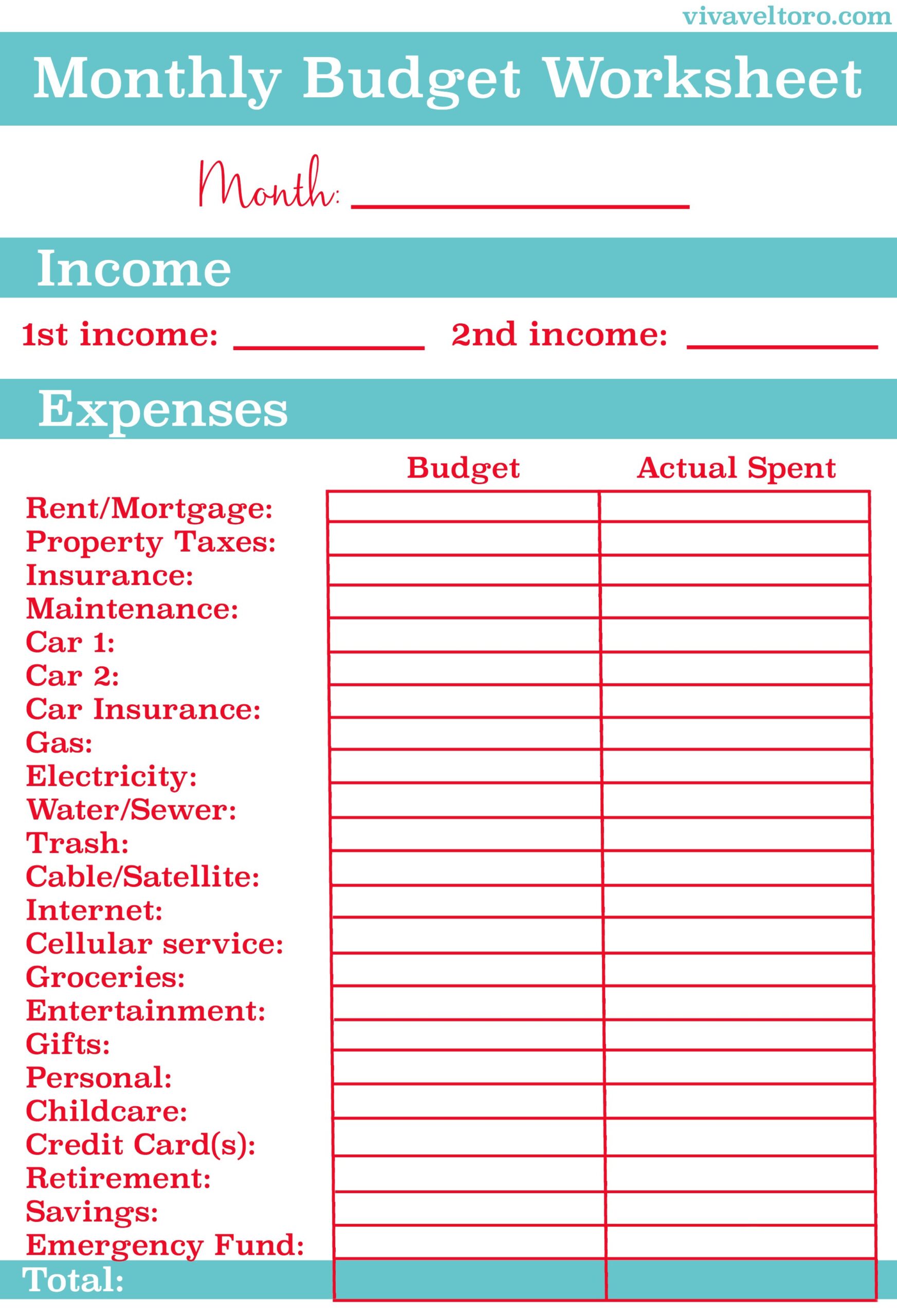
The Budget And Expense Tracking Worksheet is a practical tool designed to help you log your income and expenses. It typically includes sections for monthly income, fixed and variable expenses, and savings goals. This structure allows you to see your financial situation at a glance.
Using this worksheet is suitable for anyone looking to manage personal finances, whether you’re a student, a working professional, or a homemaker. It’s a versatile resource that can grow with you as your financial situation changes.
How to Download and Print Your Worksheet
To get started, you’ll first need to download your Budget And Expense Tracking Worksheet. Most printable-resource websites offer these documents in PDF format, which is ideal for printing. Here’s a step-by-step guide:
- Choose Your Worksheet: Visit a reliable printable-resource website and search for “Budget And Expense Tracking Worksheet.”
- Download the File: Click on the download link. PDF files are preferred as they maintain formatting across different devices.
- Print Settings: When printing, ensure your settings are correct. Use standard letter size (8.5 x 11 inches) for easy handling. Portrait layout usually works best for worksheets.
- Choosing Paper: If you plan to write on it regularly, consider printing on cardstock for durability. You can also laminate it for long-term use, allowing you to use dry-erase markers.
Setting Up Your Budget And Expense Tracking Worksheet
Once you have your worksheet printed, it’s time to set it up. This step is crucial for maximizing its utility. Here’s how you can effectively fill it out:
- Log Your Income: Start by writing down all sources of income. This could include your salary, freelance work, or any side hustles. Knowing your total income will give you a clear picture of your financial capability.
- Identify Fixed and Variable Expenses: Next, list your fixed expenses, such as rent, utilities, and subscriptions. Then, add your variable expenses like groceries, entertainment, and dining out. This distinction helps you understand where you’re spending your money.
- Set Savings Goals: Don’t forget to allocate a portion of your budget for savings. Whether it’s for an emergency fund, a vacation, or retirement, setting goals will motivate you to stick to your budget.
- Review Monthly: At the end of each month, review your worksheet. Compare your actual spending against your budgeted amounts. This reflection helps you adjust future budgets and identify areas for improvement.
Tips for Effective Use of Your Worksheet
To get the most out of your Budget And Expense Tracking Worksheet, consider these practical tips:
- Be Consistent: Dedicate a specific time each week or month to update your worksheet. Consistency makes tracking easier and more effective.
- Use Categories: Break down expenses into categories. This helps you see where you might be overspending. For example, categorize expenses into housing, transportation, food, and entertainment.
- Track Unplanned Expenses: Life can be unpredictable. Make sure to note any unplanned expenses, as this will help you adjust your budget accordingly.
- Make It Visual: If you’re a visual learner, consider using colored pens or highlighters to categorize expenses. This can make the worksheet more engaging and easier to read.
Additional Resources to Enhance Your Budgeting Skills
While the Budget And Expense Tracking Worksheet is a valuable resource, other tools can complement your financial management journey:
- Budgeting Apps: Consider using budgeting apps that allow you to track expenses digitally. Some apps even sync with your bank accounts for real-time updates.
- Financial Blogs and Podcasts: There are numerous blogs and podcasts focused on personal finance. These resources can offer tips, strategies, and motivation for staying on track with your budgeting.
- Workshops and Webinars: Look for local or online workshops that focus on financial literacy. These can provide you with valuable insights and techniques for effective budgeting.
Take Action Today
Now that you understand how to use the Budget And Expense Tracking Worksheet effectively, take immediate action. Download your worksheet, print it out, and start filling it in. Making tracking a regular habit will not only help you manage your finances but also empower you to reach your financial goals. Remember, financial management is a journey—every small step counts!