Managing your finances can often feel overwhelming, especially when trying to keep track of where your money goes each month. That’s where the Budget Expenses Percentages Categories Tithe Worksheet comes in handy. This resource is specifically designed to help you categorize and track your expenses, making it easier to allocate your budget and manage your finances effectively.
Understanding the Budget Expenses Percentages Categories Tithe Worksheet
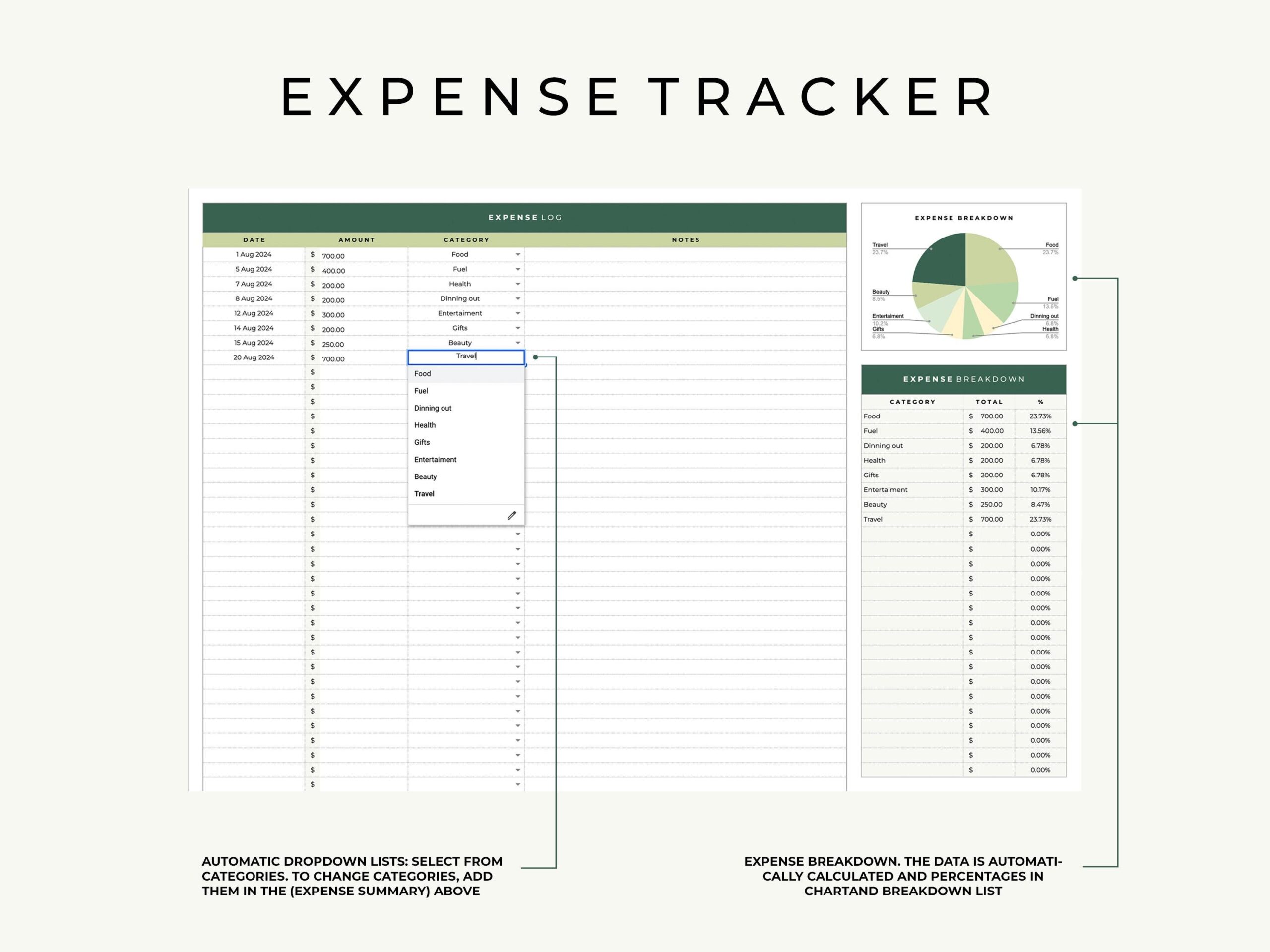
The Budget Expenses Percentages Categories Tithe Worksheet provides a structured approach to budgeting. Unlike traditional spreadsheets or lists, this worksheet breaks down your expenses into specific categories and allows you to see how much of your income is going to each area. This clarity can be incredibly beneficial, particularly if you’re looking to adhere to a budget or save for specific goals.
The worksheet typically includes sections for income, fixed expenses (like rent or mortgage), variable expenses (like groceries), discretionary spending, and tithing. The layout is user-friendly, with clear headings and space for you to fill in your own figures. You’ll find it particularly useful if you’re new to budgeting or looking to refine your current financial strategy.
Key Sections of the Worksheet
Income Section
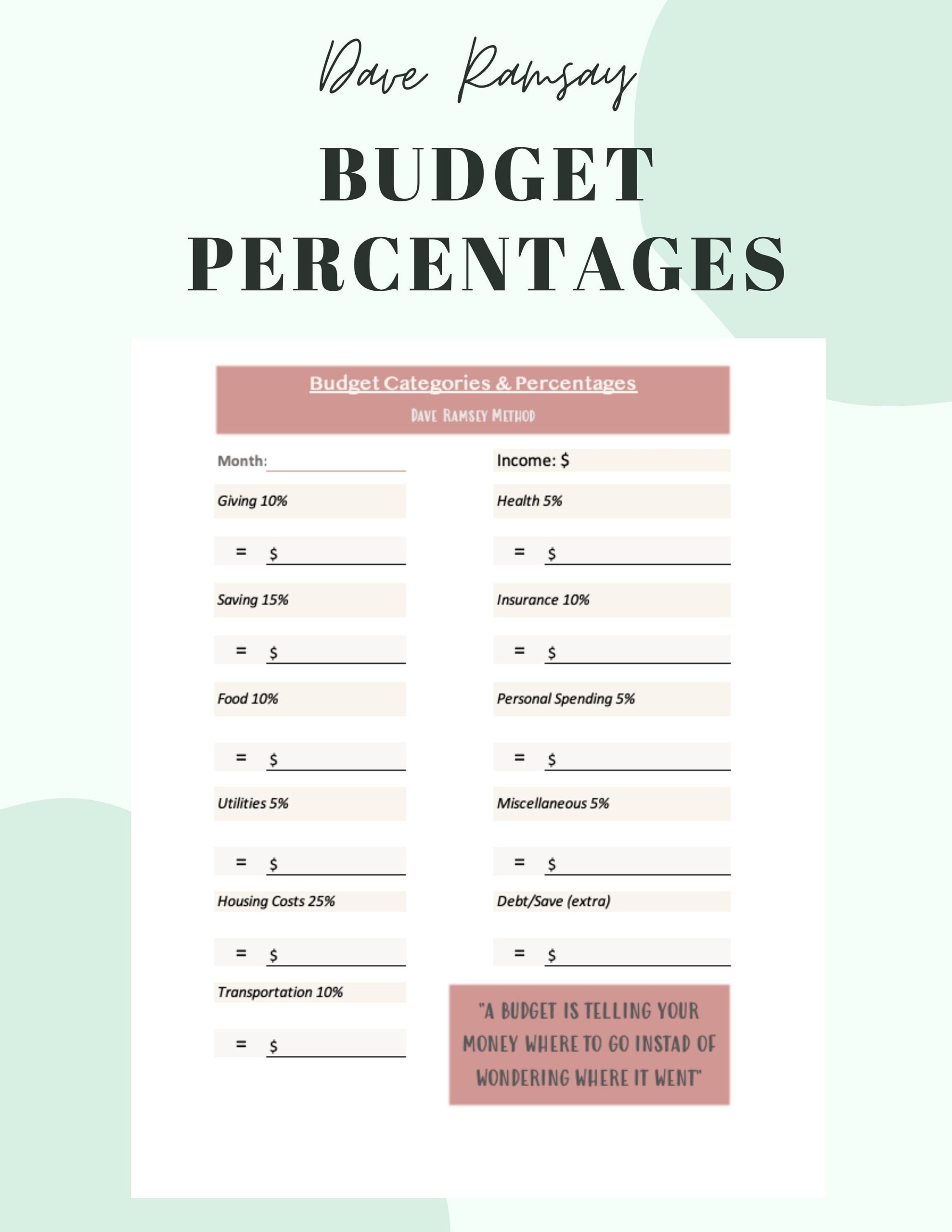
The first step in using the Budget Expenses Percentages Categories Tithe Worksheet is to fill out your income. This section allows you to list all sources of income, including your salary, side gigs, or any passive income. By clearly defining your total income, you set the stage for understanding how much you can allocate to your expenses.
Fixed Expenses
Next, the worksheet includes a section for fixed expenses. These are costs that remain constant each month, like rent, mortgage, car payments, and insurance. By identifying these expenses, you can see how much of your income is already committed, which is crucial for effective budgeting.
Variable Expenses
Variable expenses fluctuate from month to month, and this section of the worksheet allows you to track those costs. Typical entries include groceries, dining out, and entertainment. By recording these expenses, you can identify trends and areas where you might be overspending.
Discretionary Spending
Discretionary spending is often where budgets can get out of hand. This section helps you keep track of non-essential expenses, such as hobbies, subscriptions, or impulse purchases. Understanding your discretionary spending habits can empower you to make informed decisions about where to cut back.
Tithing and Savings
If you practice tithing, this worksheet provides a dedicated section to allocate a percentage of your income to this cause. This not only helps you stay committed to your values but also ensures you’re budgeting for it just like any other expense. Similarly, there’s space to allocate funds towards savings, which is essential for building financial security.
Calculating Budget Percentages
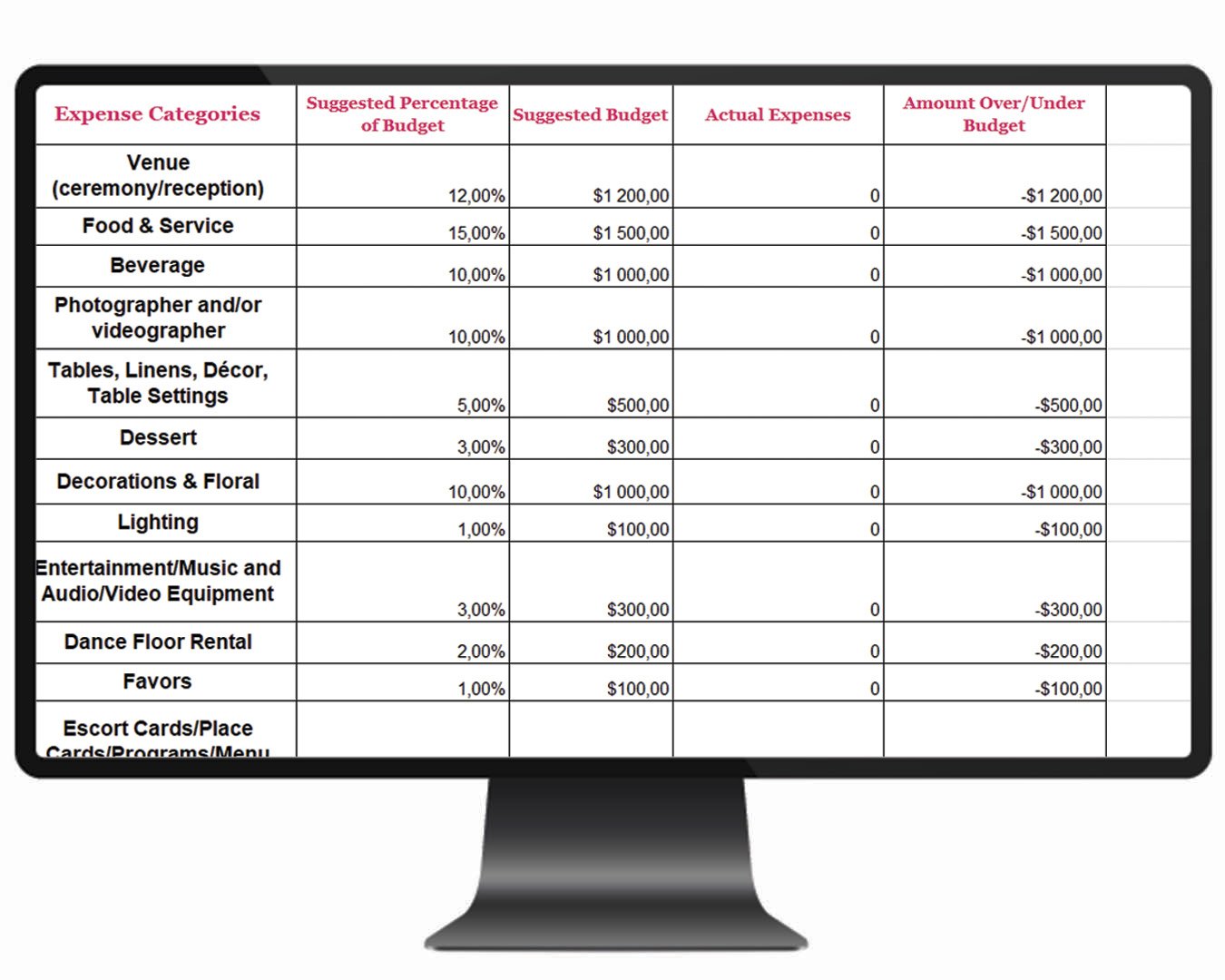
One of the main advantages of the Budget Expenses Percentages Categories Tithe Worksheet is its ability to help you calculate your budget percentages easily. Once you’ve filled in your income and expenses, you can easily see what percentage of your total income is going towards each category.
For instance, if your total monthly income is $3,000 and your fixed expenses total $1,500, that means 50% of your income goes to fixed expenses. This method of calculation can help you visualize your spending habits and adjust as necessary.
Practical Tips for Using the Worksheet
To make the most of your Budget Expenses Percentages Categories Tithe Worksheet, consider these practical tips:
- Regular Updates: Make it a habit to update your worksheet regularly, ideally once a week. This ensures that you capture all expenses accurately.
- Be Honest: When filling out your expenses, be honest with yourself. It’s easy to underestimate discretionary spending, but accurate tracking is key to effective budgeting.
- Set Goals: Use the worksheet to set financial goals. Whether it’s saving for a vacation or paying off debt, having specific targets can motivate you to stick to your budget.
- Review Monthly: At the end of each month, review your worksheet to see where you succeeded and where you might need improvement. This reflection can help you adjust your budget for the next month.
- Use Color Coding: If you’re a visual learner, consider color coding different sections of your worksheet. This can help you quickly identify areas that need attention.
Where to Download the Worksheet
The Budget Expenses Percentages Categories Tithe Worksheet is often available for download in PDF format from various printable resource websites. Look for sites that offer financial worksheets and budgeting tools. Choose a version that suits your needs, whether you prefer a simple layout or one with more detailed sections.
When downloading, consider printing on heavier paper or cardstock for durability, especially if you plan to use it frequently. A portrait layout typically works best for home printing, ensuring all sections are easily readable.