Managing personal finances is an essential life skill, especially for teens who are beginning to take charge of their spending and saving. The Budget Exercise For Teens Worksheet is a practical resource that helps young individuals understand the importance of budgeting, tracking expenses, and planning for future financial goals. This worksheet not only serves as an educational tool but also encourages responsible money management at an early age.
Understanding the Importance of Budgeting
Budgeting is the process of creating a plan to spend your money wisely. For teens, learning to budget is crucial as it lays the foundation for financial independence in adulthood. It helps them understand how to allocate their resources effectively and avoid unnecessary debt. By using the Budget Exercise For Teens Worksheet, teens can learn how to:
- Identify their income sources (e.g., allowance, part-time jobs).
- Track their expenses, distinguishing between needs and wants.
- Set savings goals for future purchases or experiences.
- Monitor their spending habits to make informed financial decisions.
This worksheet is designed to be engaging and accessible, making it suitable for both classroom and home use.
Features of the Budget Exercise For Teens Worksheet
The Budget Exercise For Teens Worksheet includes several key features that make it effective for teaching budgeting skills:
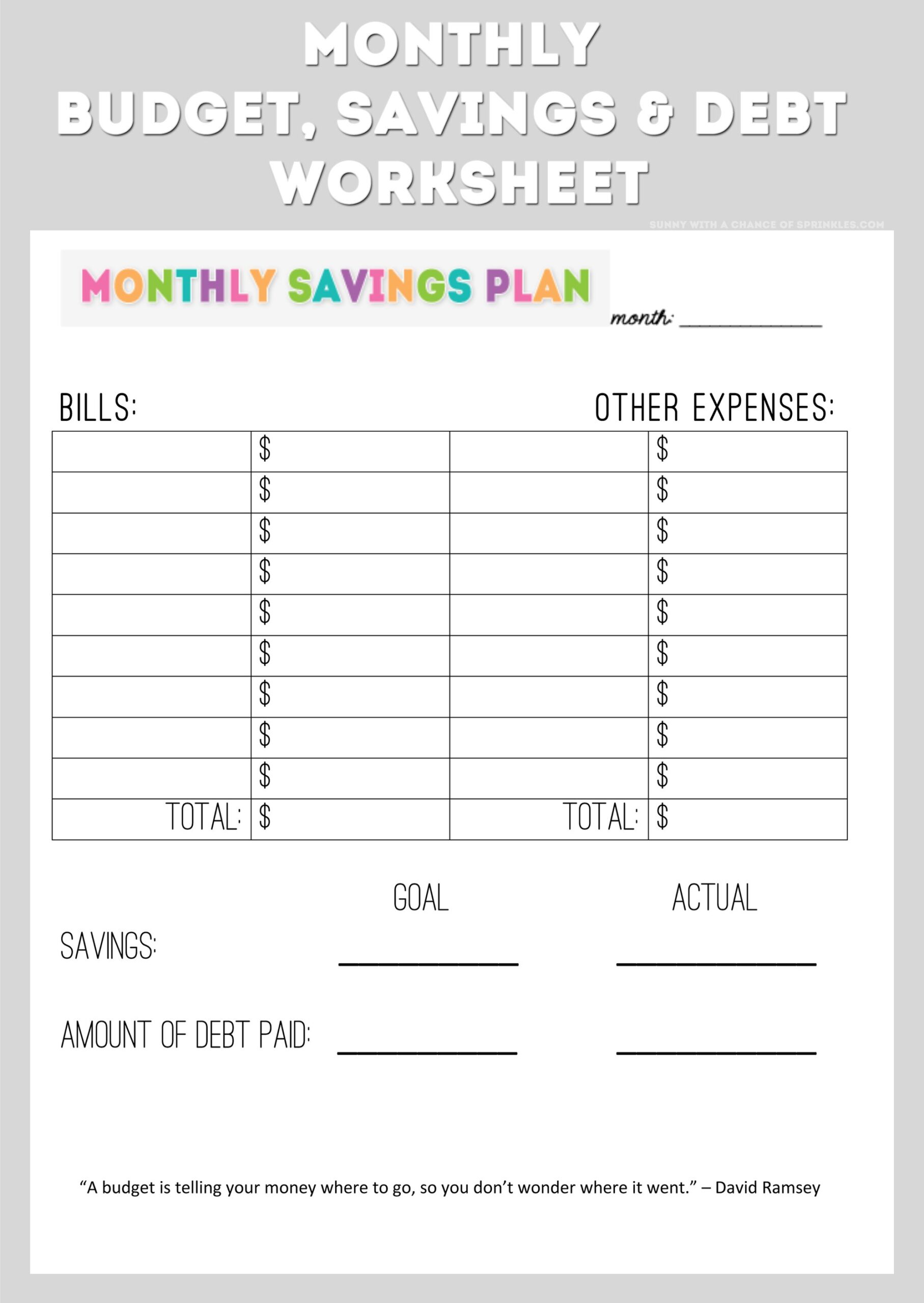
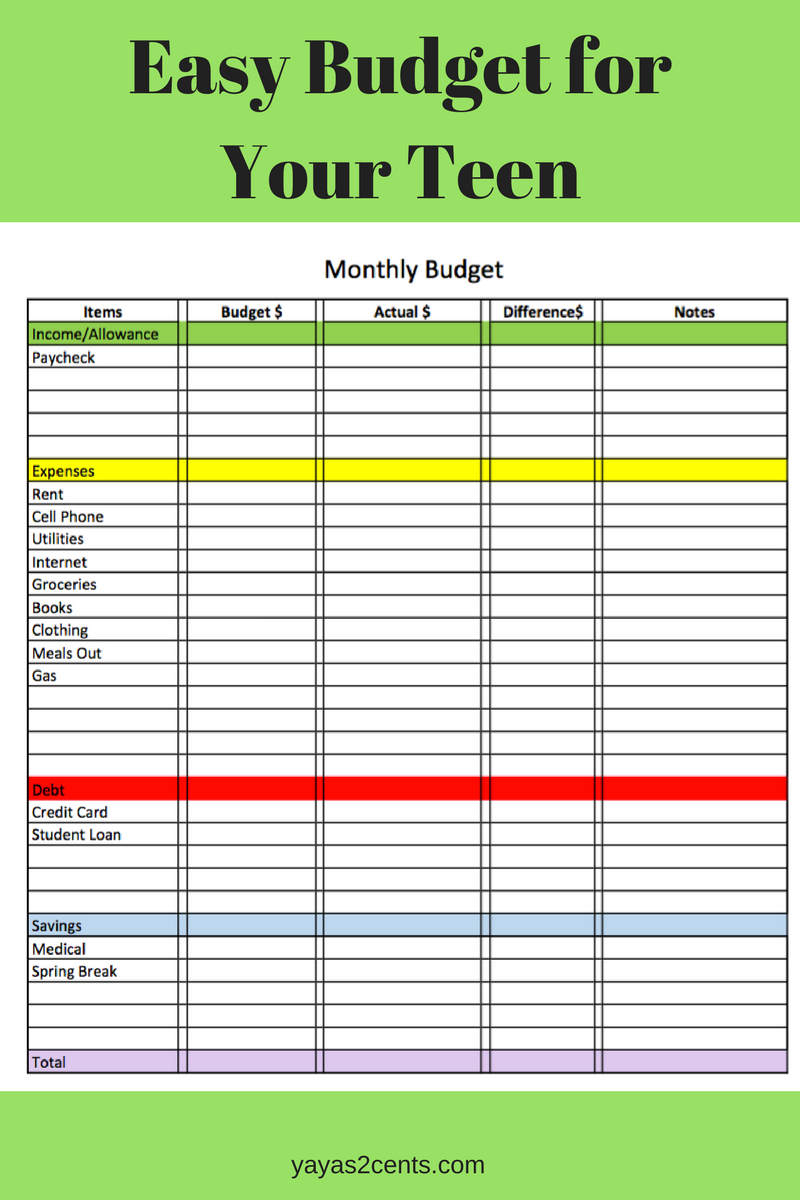
- Income Tracking: A section where teens can list their sources of income, which helps them understand how much money they have available to spend and save.
- Expense Categories: This part breaks down different types of expenses, such as necessities (food, clothing) and discretionary spending (entertainment, hobbies). This categorization helps teens prioritize their spending.
- Savings Goals: A space for teens to set specific savings goals, which can be for short-term items like a new video game or long-term goals like a car or college fund.
- Monthly Overview: A summary section that allows students to see their total income, total expenses, and remaining balance at a glance. This visual representation can motivate them to stick to their budget.
- Reflection Questions: A set of questions at the end encourages teens to reflect on their spending habits and consider how they can improve in the future.
How to Implement the Worksheet in Your Budgeting Lessons
When introducing the Budget Exercise For Teens Worksheet in a classroom or home setting, consider the following steps to maximize its effectiveness:
- Explain Budgeting Concepts: Start with a discussion about what budgeting is and why it is important. Use real-world examples to illustrate how budgeting can impact their lives.
- Guide Them Through the Worksheet: Walk through the worksheet together, explaining each section. Encourage them to think critically about their income and expenses.
- Set Realistic Goals: Help teens set achievable savings goals based on their income. Discuss how they can adjust their spending to meet these goals.
- Regular Check-ins: Schedule weekly or monthly check-ins to review their worksheets. Discuss any challenges they faced and celebrate their successes. This ongoing support reinforces the importance of budgeting.
- Encourage Independence: As they become more comfortable with budgeting, encourage teens to manage their own worksheets independently. This fosters responsibility and self-sufficiency.
Tips for Downloading and Printing the Worksheet
When it comes to downloading and printing the Budget Exercise For Teens Worksheet, here are a few practical tips:
- File Format: Ensure you download the worksheet in a PDF format, which preserves the layout and ensures compatibility with most printers.
- Printer Settings: Use a standard letter-sized paper (8.5 x 11 inches) for printing. Most home printers can handle this size easily. Check your printer settings for optimal quality.
- Paper Type: For durability, consider printing on cardstock, especially if the worksheet will be used multiple times. This material holds up better than standard printer paper.
- Laminating: If you want the worksheet to be reusable, laminate it. This way, teens can use dry-erase markers to fill in their information and wipe it clean for future use.
Additional Resources for Financial Literacy
In addition to the Budget Exercise For Teens Worksheet, consider incorporating other resources to enhance financial literacy among teens:
- Budgeting Apps: Introduce them to simple budgeting apps that can help track spending and savings in real time.
- Books and Articles: Provide access to age-appropriate books or articles on personal finance that can reinforce the concepts learned through the worksheet.
- Interactive Games: Look for online games or simulations that teach budgeting and financial management in an engaging way.
By integrating these resources, you can create a comprehensive financial literacy program that empowers teens to take control of their finances.
Encouraging teens to actively engage in budgeting is a critical step towards financial independence. With the Budget Exercise For Teens Worksheet, you can provide them with the tools they need to understand their money, set goals, and develop responsible spending habits. Start today by downloading the worksheet and helping them lay the groundwork for a financially savvy future.