Creating a budget is essential for any small business, and the Bsa Financial Management Budget Worksheet makes this process straightforward. This printable resource helps you organize your financial data effectively, ensuring you have a clear overview of your income, expenses, and savings goals. Designed for easy usage, this worksheet can be printed on standard letter-sized paper (8.5 x 11 inches), making it accessible for everyday use.
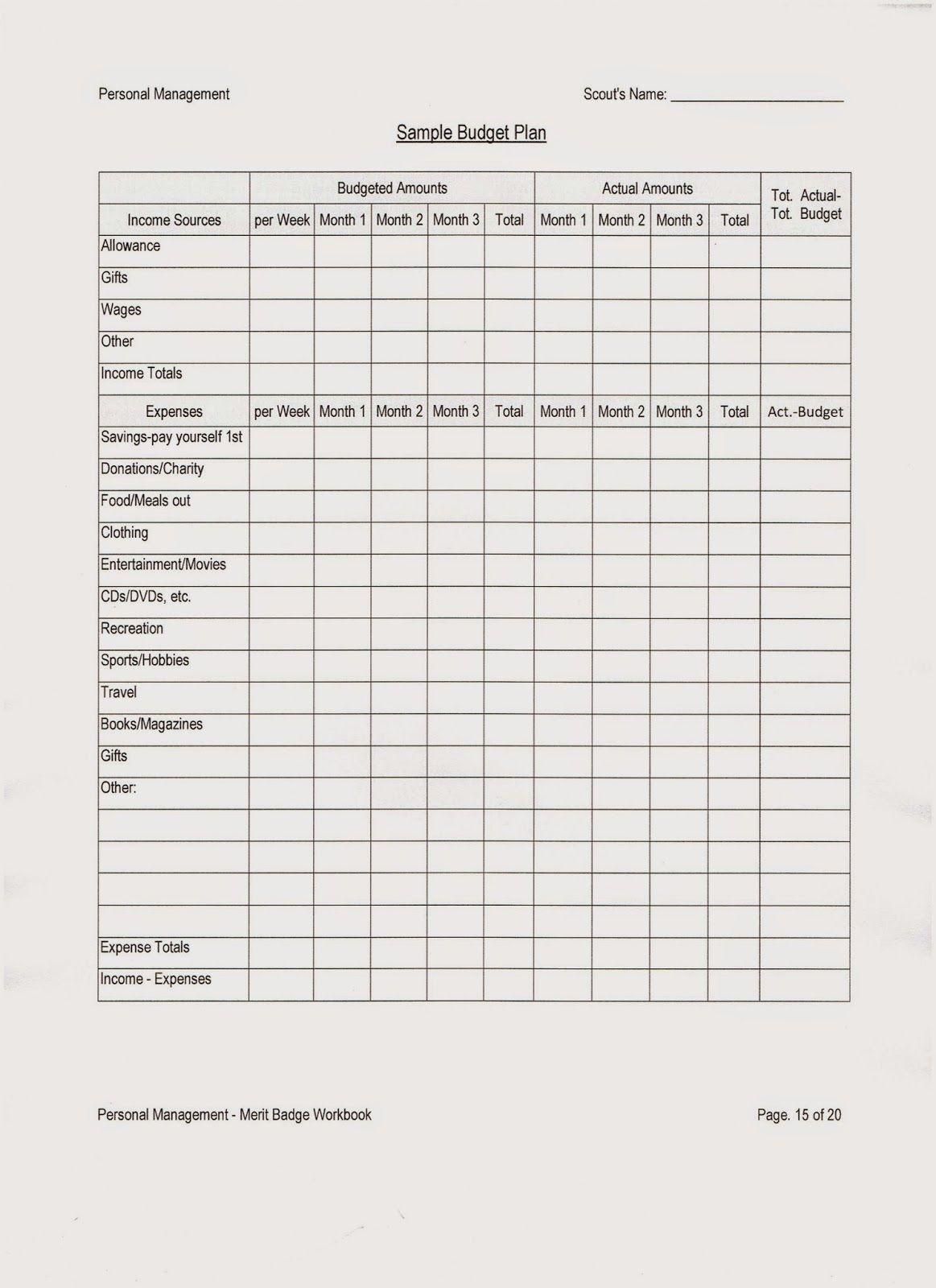
Understanding the Layout of the Bsa Financial Management Budget Worksheet
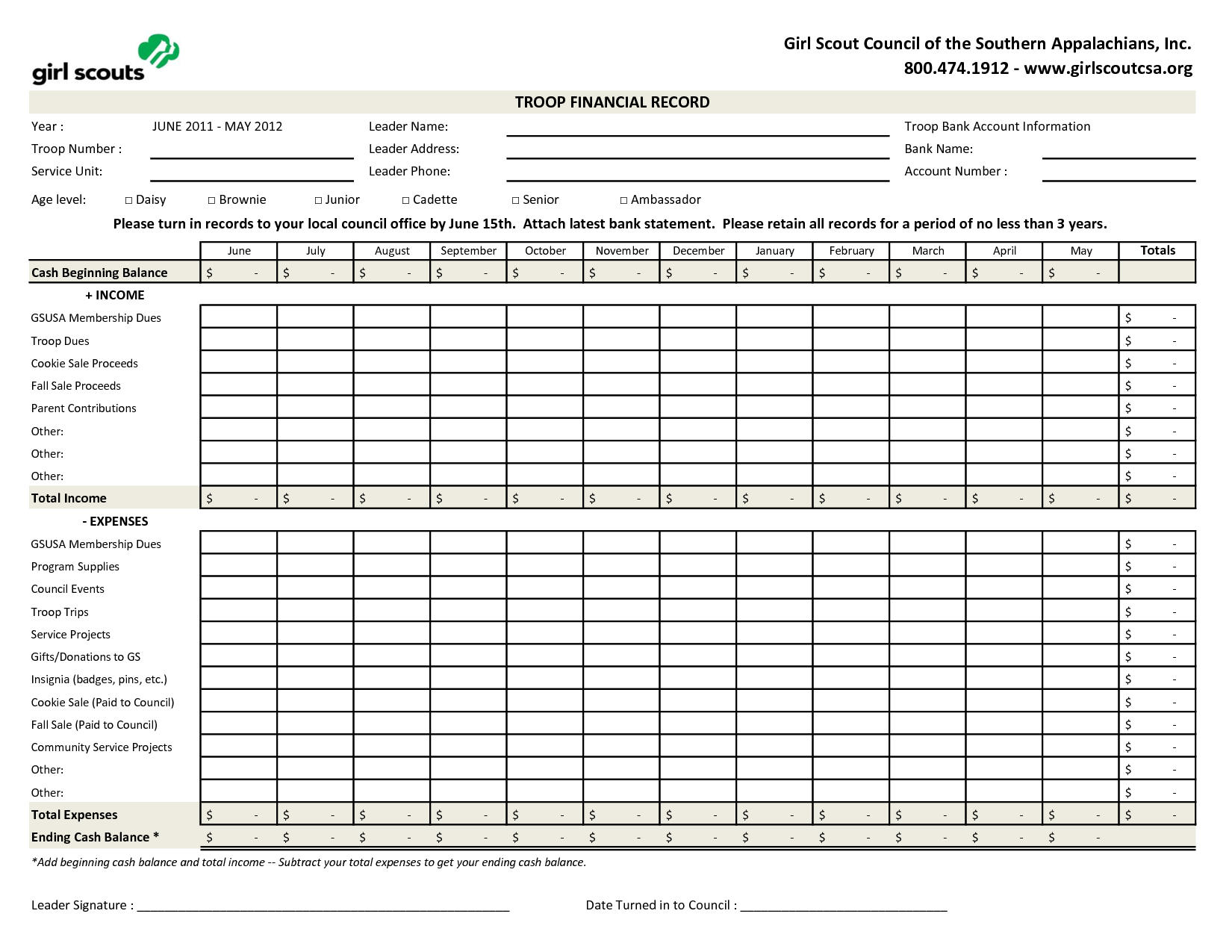
The Bsa Financial Management Budget Worksheet is structured to provide clarity and simplicity. It typically includes sections for income, fixed expenses, variable expenses, and savings goals. Each section is clearly delineated, allowing users to fill in their financial information systematically.
- Income Section: This area allows you to list all sources of income, such as sales revenue, service fees, and any other income streams. There may be fields for projected income and actual income, which helps in tracking performance over time.
- Expenses Sections: The worksheet divides expenses into fixed and variable categories. Fixed expenses are those that remain constant each month, such as rent or salaries. Variable expenses, on the other hand, can fluctuate, like utility bills or marketing costs. Breaking these down helps in understanding where adjustments might be necessary.
- Savings Goals: A dedicated section for savings can help in planning for future investments or emergency funds. Here, you can set targets for savings, making it easier to allocate funds appropriately.
How to Use the Worksheet Effectively
Using the Bsa Financial Management Budget Worksheet effectively requires some planning. Start by gathering all necessary financial documents, including bank statements, invoices, and receipts. Once you have your data, follow these steps:
- Fill in Income: List all your income sources accurately, ensuring that the figures reflect your expected earnings for the month or year. This will provide a realistic picture of your financial situation.
- Detail Your Expenses: Carefully categorize your expenses. It’s beneficial to review past statements to ensure you don’t overlook any recurring costs. This thoroughness will provide a more accurate budget.
- Set Savings Goals: Determine how much you want to save each month. This could include setting aside funds for taxes, retirement, or business expansion. By allocating a portion of your income to savings, you are preparing for future needs.
- Review and Adjust: After filling out the worksheet, regularly review it. Compare your actual income and expenses against your projections, making adjustments as necessary. This encourages financial discipline and helps identify areas for improvement.
Benefits of Using the Bsa Financial Management Budget Worksheet
Utilizing the Bsa Financial Management Budget Worksheet offers several benefits for small business owners:
- Clarity and Organization: The structured layout allows for a clear overview of finances, making it easier to spot trends and discrepancies in income and spending.
- Enhanced Financial Control: By regularly updating and reviewing the worksheet, you can maintain better control over your financial situation. This leads to informed decision-making regarding spending and investing.
- Goal Setting: The worksheet encourages goal setting, both for savings and investment. Having specific financial goals can motivate you to stick to your budget and achieve your financial objectives.
- Simplicity and Accessibility: Since the worksheet is designed to be printed and filled out manually, it eliminates the complexity that can come with digital budgeting tools. This simplicity makes it a great fit for individuals who prefer traditional methods.
Tips for Maximizing Your Budgeting Efforts
To get the most out of the Bsa Financial Management Budget Worksheet, consider these additional tips:
- Use Color Coding: If you print multiple copies, consider using colored pens or highlighters to differentiate between income sources and expenses. This visual aid can enhance understanding and engagement with your budget.
- Track Trends Over Time: Keep older versions of your worksheets to compare trends over months or years. This historical data can be invaluable for forecasting and making strategic business decisions.
- Involve Your Team: If applicable, involve your team in the budgeting process. Their insights can provide a fuller picture of where funds are being utilized and where savings might be possible.
- Stay Consistent: Make a habit of updating the worksheet regularly. Setting a specific day each month to review your budget can help maintain financial awareness and discipline.
By incorporating the Bsa Financial Management Budget Worksheet into your financial planning, small business owners can achieve a clearer understanding of their finances, leading to better decision-making and improved financial health. The most useful detail to remember is that this worksheet not only serves as a budgeting tool but also as a strategic framework for setting and achieving your financial goals.