Creating a budget for a troop can often feel overwhelming. However, using a Bsa Dues Worksheet For Troop Budget simplifies the process significantly. This printable resource is designed to help troop leaders and parents keep track of dues, expenses, and overall financial health in a clear and structured manner. By utilizing this worksheet, you can ensure that your troop remains funded and organized throughout the year.
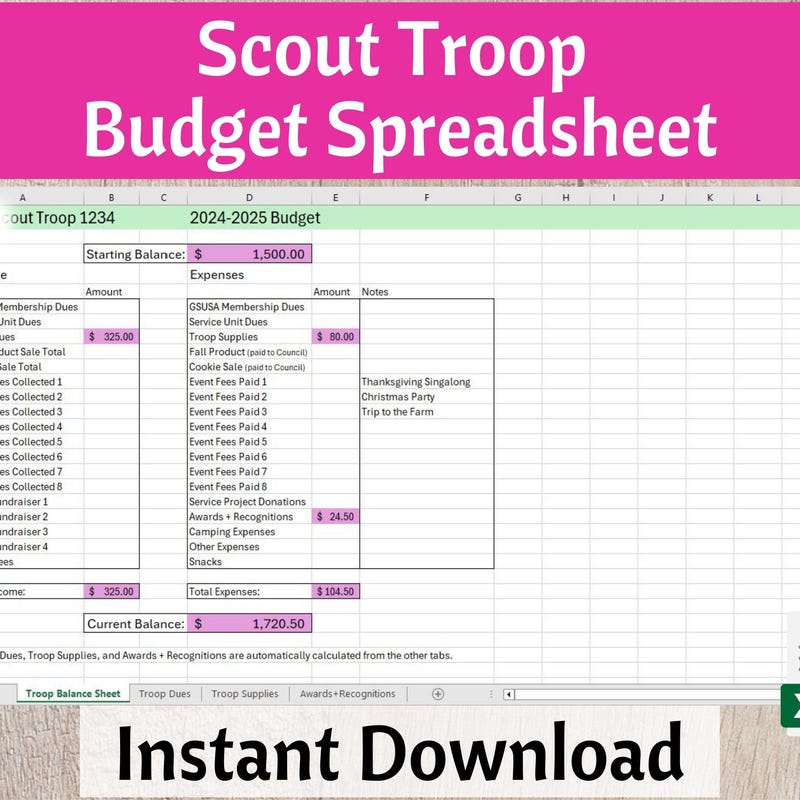
Understanding the Layout of the Bsa Dues Worksheet
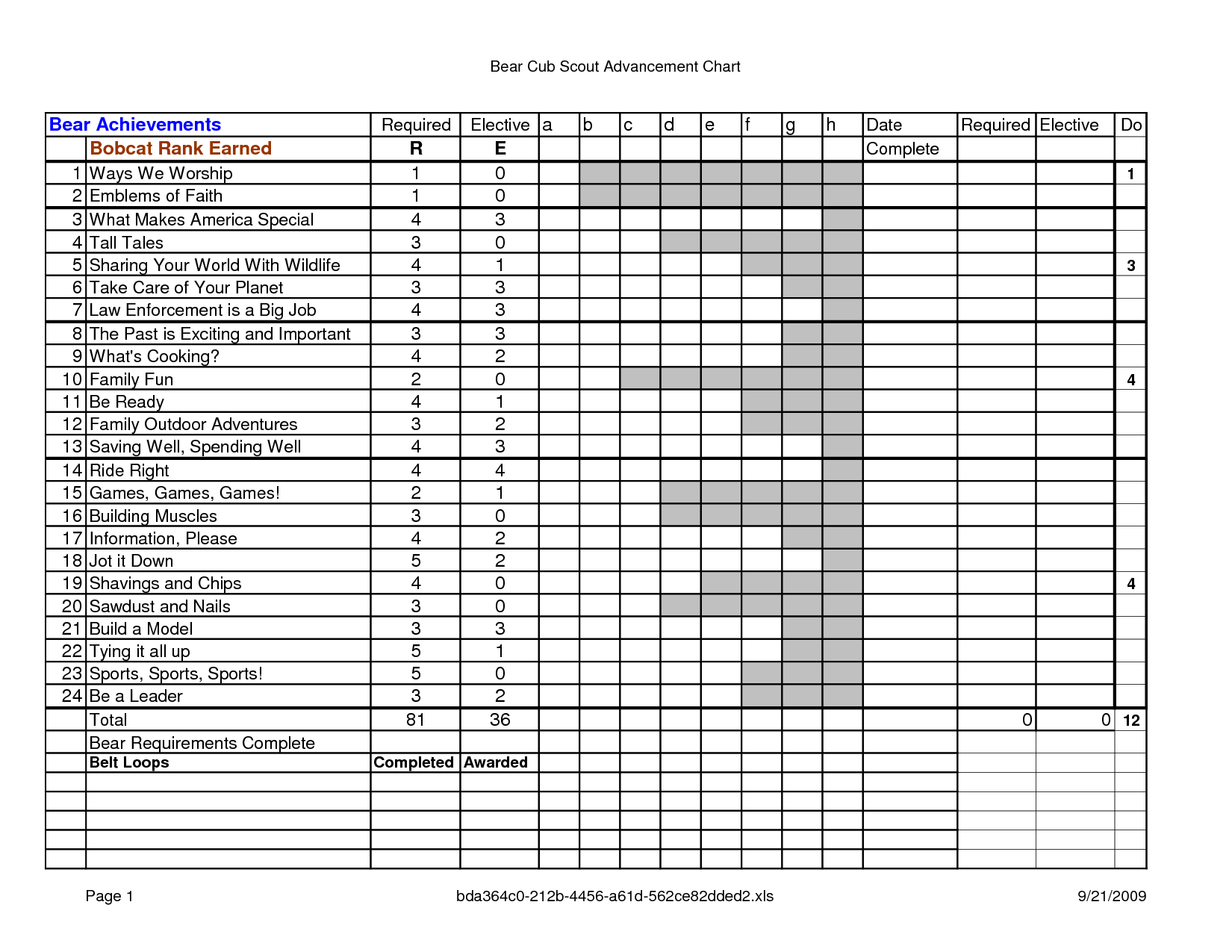
The Bsa Dues Worksheet is usually formatted on standard letter-sized paper (8.5” x 11”). This size is ideal for home printers and easy to file in standard folders. The layout is intuitive, featuring distinct sections that guide users through the budgeting process.
At the top of the worksheet, you’ll typically find space to input the troop name and budget period. This is crucial for keeping track of different fiscal years or budgeting cycles, especially if your troop operates on a yearly budget. Below this header, the worksheet breaks down into several key sections:
- Income Sources: This area allows you to list all potential income, including member dues, fundraising events, and donations. Each source should have a designated space to note expected amounts.
- Expense Categories: Here, you can categorize expenses into sections such as camp fees, activity supplies, and administrative costs. Each category will have fields for estimated and actual costs, making it easier to compare and adjust as necessary.
- Summary Section: At the bottom, a summary area helps you quickly assess the total income, total expenses, and remaining balance. This section is vital for understanding if your troop is on track financially.
How to Effectively Use the Bsa Dues Worksheet
Using the Bsa Dues Worksheet effectively involves a few straightforward steps. First, gather all necessary financial information. This includes past budgets, current dues rates, and any upcoming planned activities that will incur costs.
Next, fill in the income section with realistic estimates. If your troop typically raises funds through cookie sales or car washes, look back at previous years to gauge how much you might expect. It’s always better to be conservative with income estimates to avoid overextending your budget.
When listing expenses, think ahead about all possible costs. Include items that may not seem obvious, such as transportation, uniforms, and insurance. By considering every potential expense, you can create a more accurate picture of your troop’s financial needs.
Finally, regularly update the worksheet as new income or expenses arise. This might mean adjusting your budget after a fundraising event or tracking the costs of an unexpected outing. Regularly revisiting the worksheet helps keep your troop’s financial situation transparent and manageable.
The Importance of Budgeting for Troop Activities
Budgeting is vital for the sustainability of any troop. With the Bsa Dues Worksheet, you can ensure that every member understands where their dues are going. This transparency fosters trust and accountability within the troop. Members can see how funds are allocated towards activities, campouts, and other experiences that enhance their scouting journey.
Additionally, a well-structured budget can help in planning future activities. By analyzing past budgets, you can identify trends in spending and income, allowing for better forecasting. For example, if your troop finds that camping trips are consistently over budget, you can strategize ways to cut costs or raise additional funds before the next trip.
Moreover, involving the troop in the budgeting process can be an educational experience. It teaches financial literacy and responsibility, which are important skills for all scouts. Consider organizing a meeting where members can discuss the budget and suggest activities they would like to include. This not only helps in creating a budget but also empowers members to take ownership of their troop’s finances.
Tips for Maintaining Your Troop’s Budget
Maintaining an accurate budget requires diligence and communication. Here are some practical tips to ensure your Bsa Dues Worksheet remains a valuable tool throughout the year:
- Regular Updates: Make it a habit to update the worksheet at least monthly. This helps catch any discrepancies early and keeps everyone informed.
- Involve Members: Share the budget with troop members during meetings. This promotes transparency and gives everyone a chance to voice their opinions on spending.
- Track Actual Spending: Alongside estimates, always track actual spending. This will help you identify areas where you can cut back or need to allocate more funds.
- Review Trends: At the end of the year, review your budget against actual spending. This analysis will help you plan better for the next fiscal year.
- Set Goals: Consider setting financial goals for the troop, such as saving for a special event or a new camping gear. Having clear objectives can motivate members to contribute more actively.
The Bsa Dues Worksheet For Troop Budget serves as more than just a financial document; it’s a roadmap for your troop’s activities and goals. By utilizing this tool effectively, you can foster a culture of financial awareness while ensuring your troop thrives.
One useful detail to keep in mind is that printing the worksheet on heavier paper or cardstock will enhance its durability, especially if it’s used regularly throughout the year. This small choice can make a significant difference in how well the worksheet holds up over time.