Managing finances is crucial for small-business owners, and a well-structured Bill Paying Budget Worksheet Website can be an invaluable tool for organizing expenses and tracking payments. This resource typically offers printable worksheets that help users break down their monthly bills, categorize expenses, and plan for future financial commitments. The simplicity and practicality of these worksheets can make a significant difference in maintaining financial health.
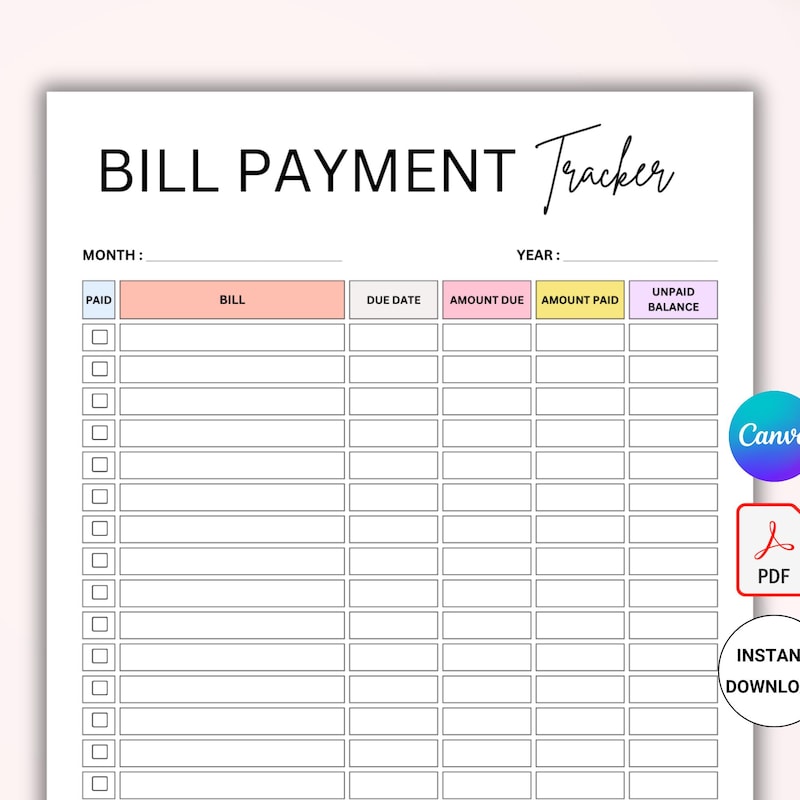
Understanding the Layout of a Bill Paying Budget Worksheet
A typical Bill Paying Budget Worksheet features a clear layout that includes several sections designed to facilitate easy tracking of expenses. The primary components usually consist of:
- Monthly Income: This section allows users to list all sources of income, helping to establish a baseline for budgeting.
- Fixed Expenses: Here, users can input regular monthly bills such as rent, utilities, and subscriptions. This section is essential for understanding unavoidable costs.
- Variable Expenses: Unlike fixed expenses, variable expenses can fluctuate. This section allows users to budget for groceries, entertainment, and other discretionary spending.
- Total Expenses: At the bottom of the worksheet, users can see a summary of their total expenses, which helps in assessing whether they are living within their means.
The layout is often designed for easy readability, typically using a portrait format that works well with standard printing sizes like 8.5” x 11”. By providing distinct sections, the worksheet encourages users to focus on each aspect of their financial situation, promoting a thorough understanding of their budget.
Key Sections to Utilize Effectively
Each section of a Bill Paying Budget Worksheet serves a specific purpose. Understanding how to utilize these sections effectively can enhance financial planning.
Monthly Income
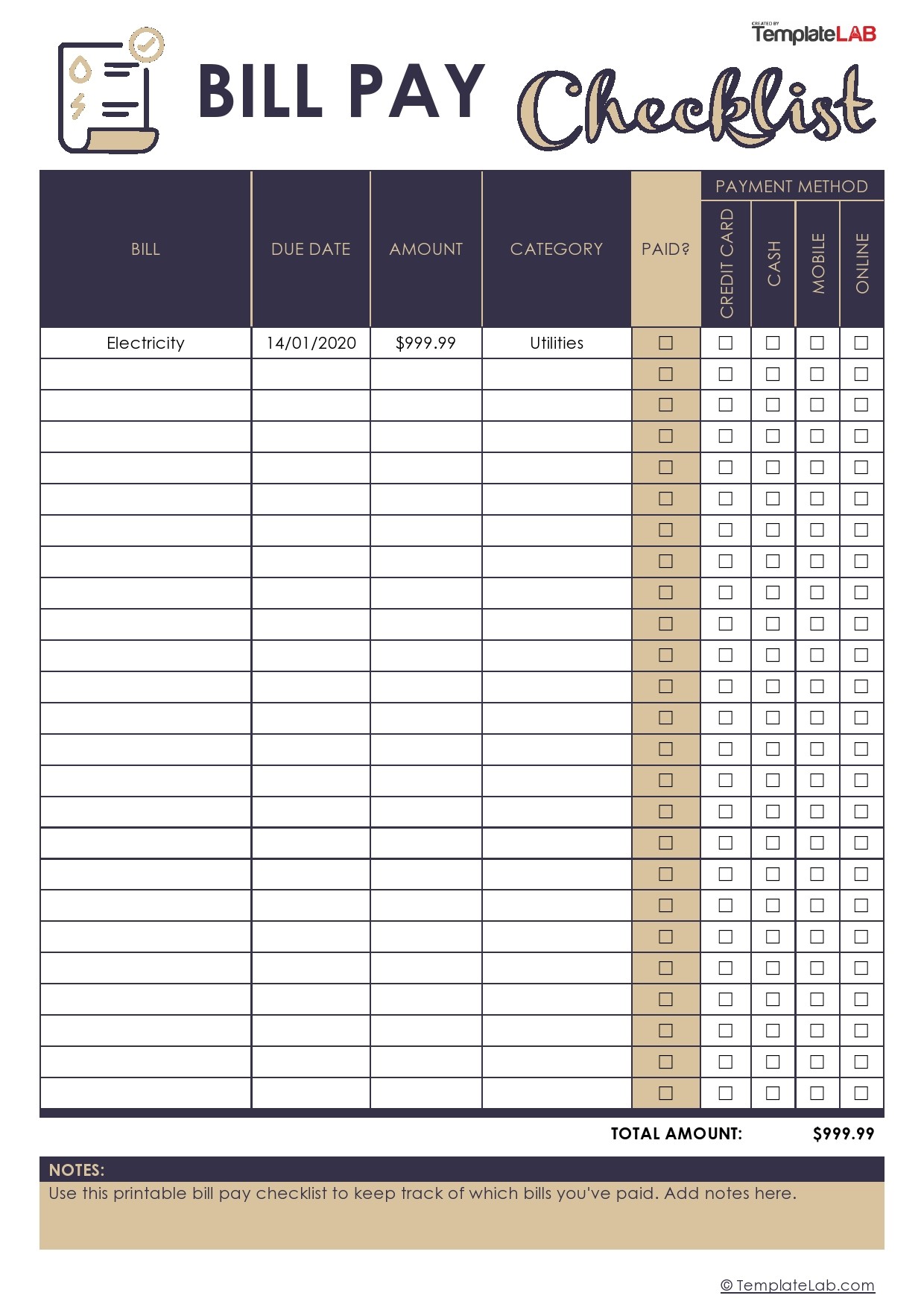
In this section, it’s important to be comprehensive. List all income sources, including wages, freelance work, and any side businesses. By having a complete view of monthly income, users can make informed decisions about their spending.
Fixed Expenses
Fixed expenses are the backbone of any budget. These should include all regular payments that occur monthly. Examples are:
- Rent or mortgage payments
- Insurance premiums
- Utility bills (electricity, water, internet)
By documenting fixed expenses, small-business owners can ensure that these critical payments are prioritized. This helps prevent late fees and maintains a good credit score.
Variable Expenses
Variable expenses can often lead to budget overruns if not monitored closely. This section should be used to track spending on items that can vary month to month. It’s beneficial to categorize these expenses further, for example:
- Food and groceries
- Entertainment
- Transportation
Tracking these expenses over time allows users to identify trends and adjust their spending habits accordingly.
Total Expenses and Budget Summary
After filling in the monthly income and expenses, the summary section provides a quick snapshot of the financial situation. Users can easily see if they are overspending or if there’s room for saving. This summary can inform future financial decisions, guiding users to reduce unnecessary expenses or increase savings.
Implementing the Worksheet Into Your Routine
Using a Bill Paying Budget Worksheet effectively involves regular practice and review. It’s advisable to allocate specific times each week or month to update the worksheet. Here are some practical steps to implement:
- Weekly Check-ins: Set aside time each week to review variable expenses. This helps keep spending in check and allows for adjustments before the month ends.
- Monthly Reviews: At the end of each month, compare actual expenses with budgeted amounts. This practice highlights areas of overspending and can guide future budget adjustments.
- Goal Setting: Use the insights gained from your monthly reviews to set financial goals for the upcoming month. Whether it’s saving for a business trip or reducing discretionary spending, having specific goals can motivate better financial habits.
Advantages of Using a Printable Worksheet
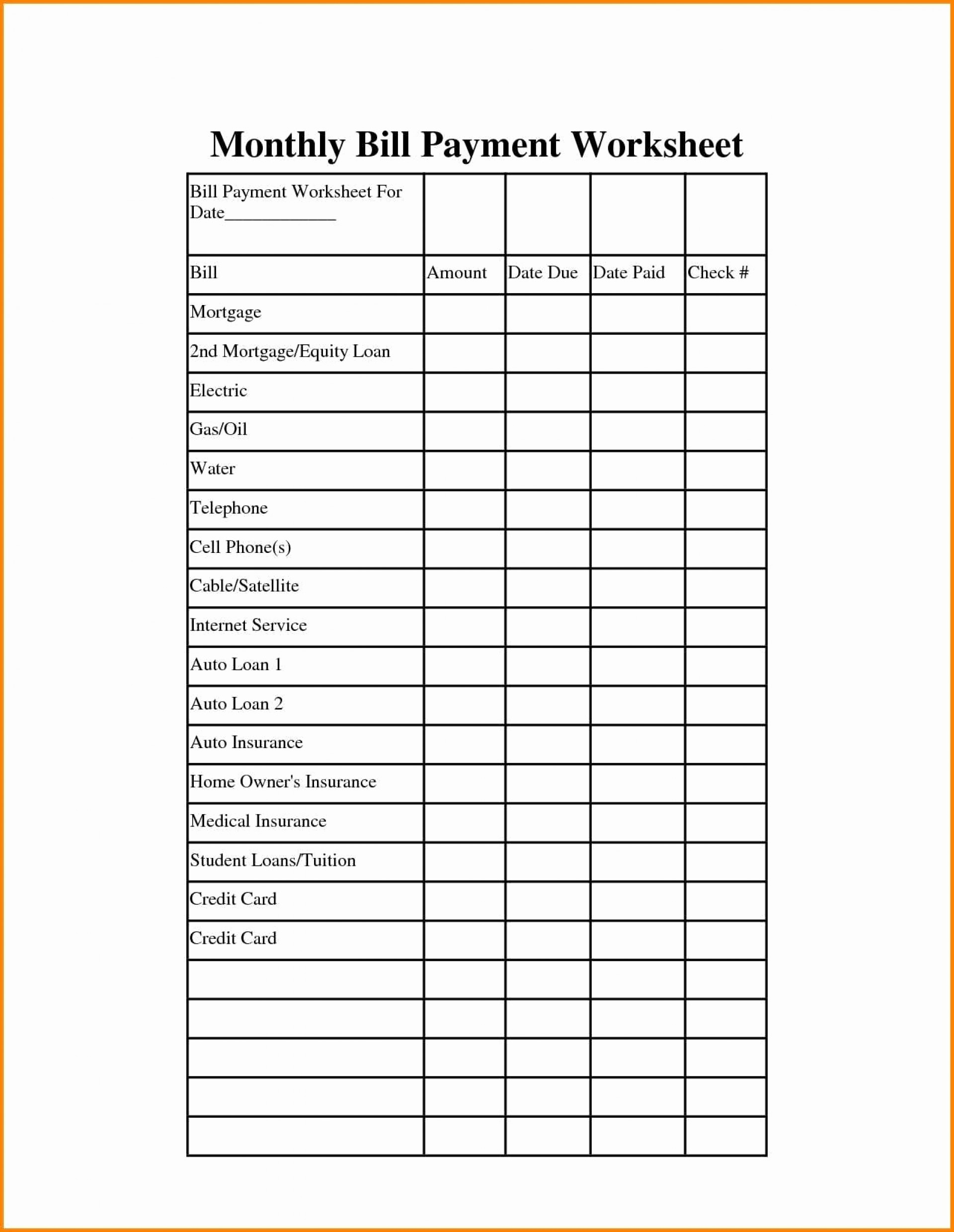
There are several advantages to using a printable Bill Paying Budget Worksheet:
- Tangible Format: A physical worksheet can be easier to manipulate and keep track of compared to digital formats. Users can easily jot down notes or adjustments in real-time.
- Customization: Many printable worksheets can be tailored to fit specific needs. Users can add sections or modify existing ones to better reflect their financial situation.
- Accessibility: Once printed, these worksheets can be accessed anytime without the need for a computer or internet connection. This is particularly useful for those who prefer a hands-on approach to budgeting.
When selecting a worksheet from a Bill Paying Budget Worksheet Website, look for options that allow for customization. Some sites offer editable PDF versions, which can be filled out digitally before printing.