Managing finances in college can be daunting, especially when you’re juggling tuition, rent, groceries, and a social life. The Basic Budget Worksheet College Student is designed specifically for students looking to take control of their finances. This worksheet not only helps you track income and expenses but also encourages you to plan for the future. With a clear and straightforward format, it’s a practical tool that can lead to better financial habits.
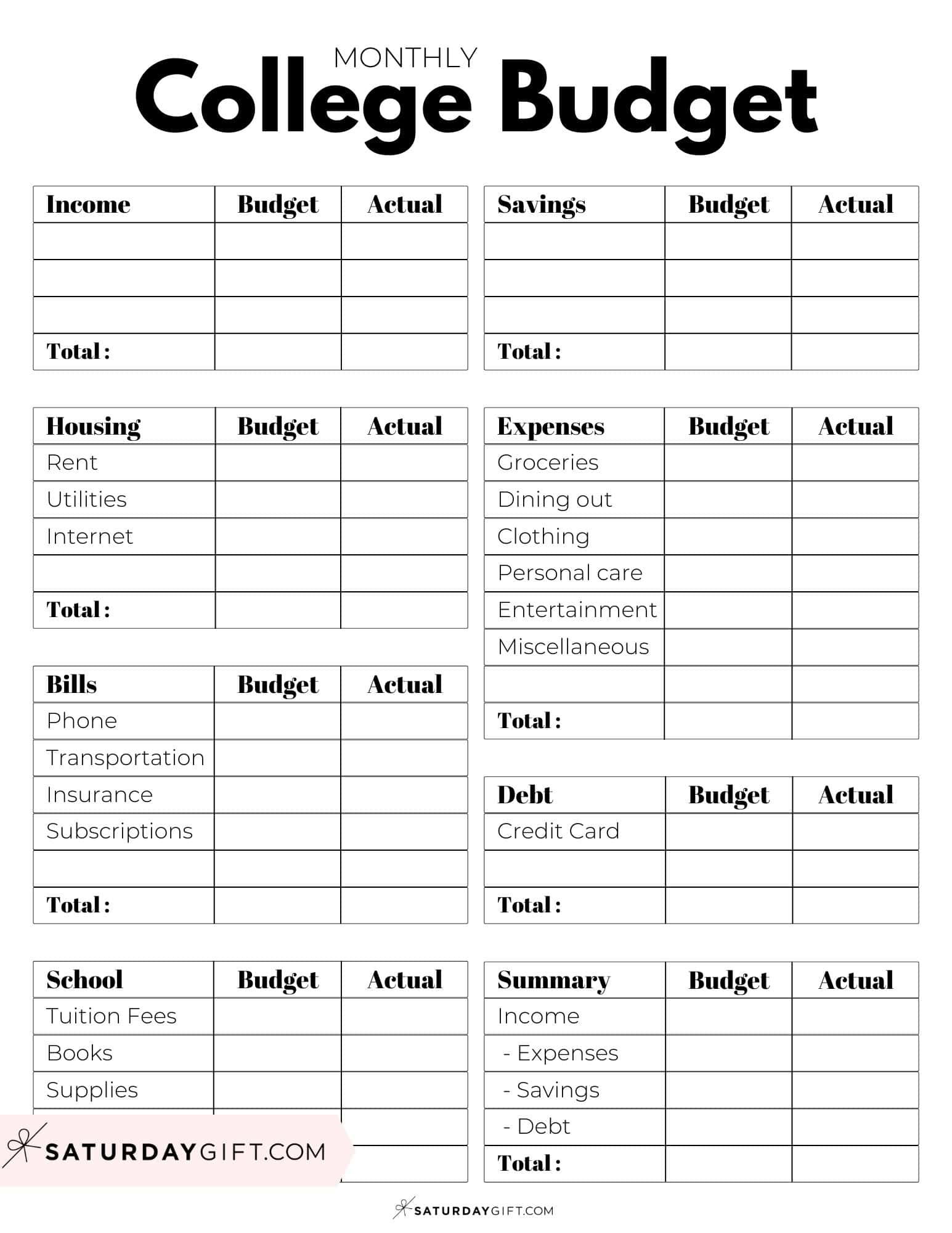
Understanding the Basic Budget Worksheet
The Basic Budget Worksheet is typically structured to include sections for income, fixed expenses, variable expenses, savings, and discretionary spending. This layout makes it easy to visualize where your money is going each month.
You’ll usually find columns for different categories, allowing you to fill in amounts and see totals at a glance. For example, under the income section, you might list your part-time job earnings, scholarships, and any other sources of income.
This organization is crucial for college students who often face fluctuating income and unexpected expenses. By having a dedicated space for all your financial data, you’re more likely to stay on top of your budget and avoid overspending.
Key Sections of the Worksheet
Income
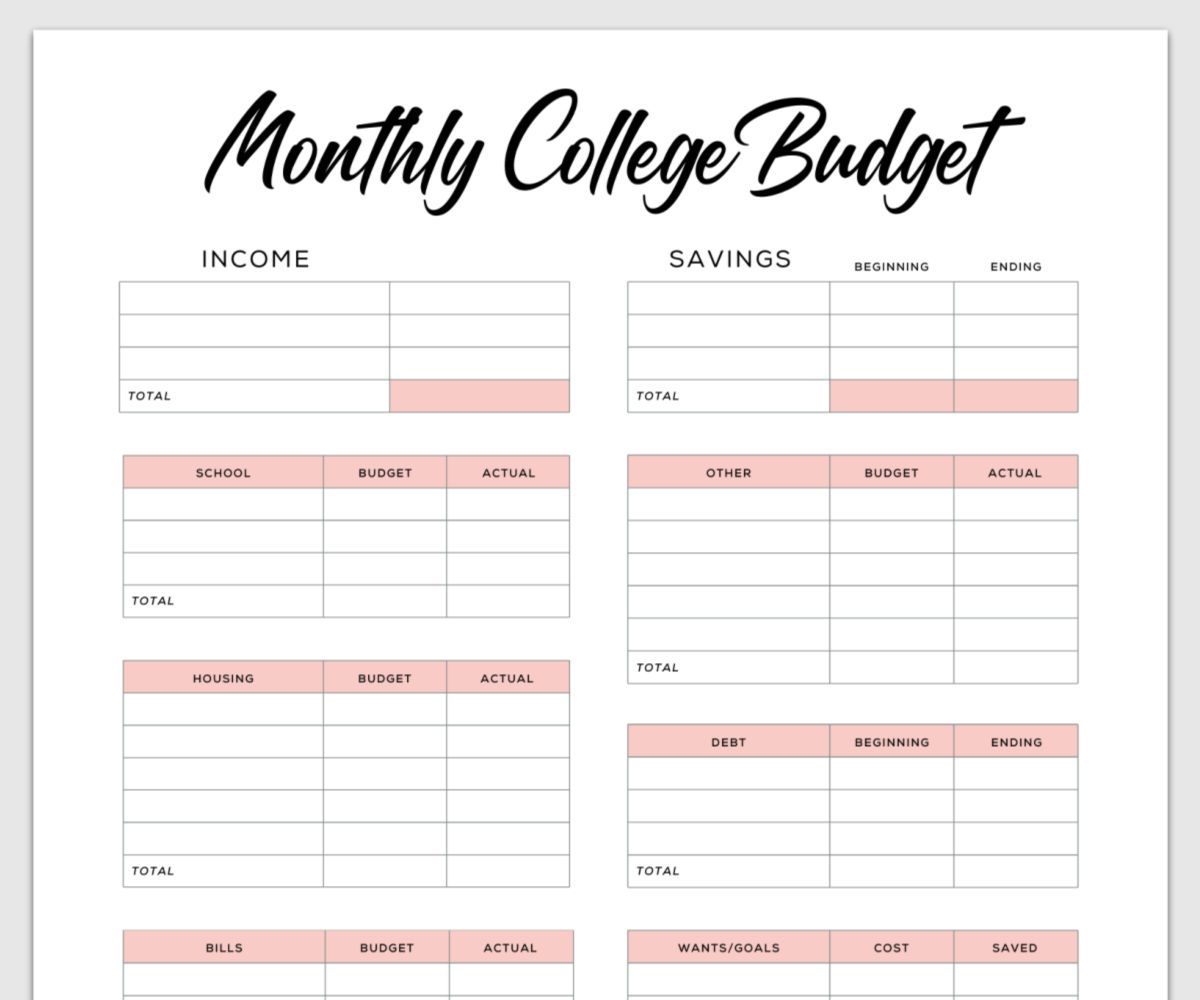
The income section is where you’ll record all sources of funds. This may include:
- Part-time job earnings
- Scholarships and grants
- Family support
- Side hustles or freelance work
Make sure to list these sources monthly to get a clear picture of your total income. This section helps establish a baseline for your budget, so you know how much you can afford to spend.
Fixed Expenses
Fixed expenses are those that remain constant every month. These might include:
- Rent
- Utilities (electricity, water, internet)
- Insurance (health or car)
- Tuition fees
Having these expenses listed allows you to see how much of your income is already allocated before you consider variable expenses.
Variable Expenses
Variable expenses can fluctuate from month to month. In this section, you’ll track costs like:
- Groceries
- Transportation (gas or public transit)
- Entertainment (movies, dining out)
- Supplies (books, materials)
By keeping a close eye on these expenses, you can adjust your spending habits as necessary.
Savings and Discretionary Spending
This section is often split into two parts: savings and discretionary spending.
Savings are crucial for unexpected expenses or future goals, like a summer trip or a new laptop. You might decide to allocate a certain percentage of your income to savings each month.
Discretionary spending covers anything else you want but don’t necessarily need. This could be your coffee runs, shopping, or hobbies. It’s essential to keep this in check to ensure you’re not overspending in areas that aren’t priorities.
How to Use the Basic Budget Worksheet Effectively
Using the Basic Budget Worksheet requires a commitment to regularly update and review your financial situation. Here are some practical steps:
- Fill It Out Monthly: Set aside time each month to update your worksheet. This helps you stay aware of any changes in your income or expenses.
- Analyze Your Spending: After a few months, take a look at your spending habits. Are you spending more on entertainment than you planned? Adjust your budget accordingly.
- Set Goals: Use the worksheet to set financial goals. Whether it’s saving for a trip or paying off a credit card, having a clear target can motivate you to stick to your budget.
- Adjust as Necessary: Life in college can be unpredictable. If your income changes or unexpected expenses arise, don’t hesitate to adjust your budget. Flexibility is key.
- Use Technology: Consider digital versions of the Basic Budget Worksheet for easier tracking. Many apps allow you to input expenses and income on the go, making it easier to stay updated.
Benefits of Using a Basic Budget Worksheet
The advantages of utilizing a Basic Budget Worksheet are numerous:
- Increased Awareness: You become more aware of your spending habits, which can lead to better decision-making.
- Financial Security: By planning your budget, you can avoid running out of money before the end of the month.
- Goal Achievement: With clear financial goals, you’re more likely to save and spend wisely.
- Stress Reduction: Knowing where your money is going can relieve anxiety around finances, allowing you to focus on your studies and social life.
Printable Options and Customization
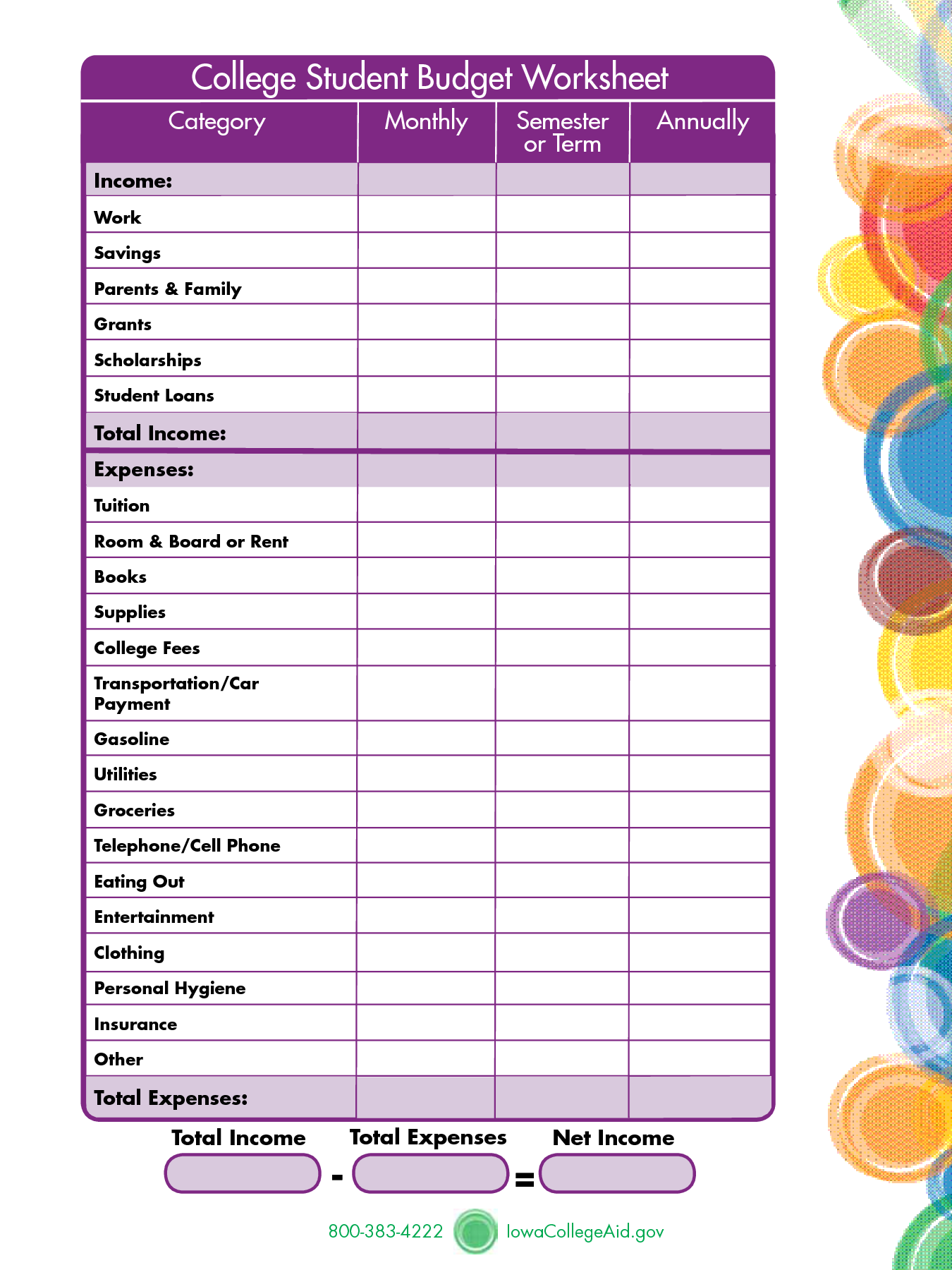
When it comes to the Basic Budget Worksheet College Student, you can often find printable versions online. Here are a few tips for choosing the right format:
- PDF Format: This format is ideal because it maintains its layout regardless of the device you use. It’s also printer-friendly.
- Customizable Templates: Some websites offer templates that allow you to fill in your details digitally before printing.
- Size Considerations: Standard letter size (8.5 x 11 inches) works well for most home printers, but you might also find options that fit into planners.
Before printing, check your printer settings. Portrait layout typically works better for worksheets, and using cardstock can ensure the sheet holds up over time, especially if you plan to use it regularly.