Creating a budget is crucial for every college graduate stepping into the real world. The Basic Budget Worksheet College Graduate is a practical tool that helps you organize your finances, track your spending, and plan for expenses effectively. If you are dealing with student loans, rent, or everyday living costs, this worksheet can simplify your financial management.
Understanding the Basics of Budgeting
Budgeting is more than just tracking income and expenses; it’s about making informed decisions about your money. A budget helps you allocate your resources wisely, ensuring you can cover necessary expenses while saving for future goals. For college graduates, this often means balancing student loan repayments, housing costs, groceries, and leisure activities.
The Importance of a Budget for College Graduates
As a recent graduate, you may be transitioning from a student lifestyle, often with limited income, to a more independent one. A budget allows you to prioritize your spending, avoid debt, and set aside savings. It helps you understand where your money goes and how to adjust your spending habits to fit your financial goals.
Features of the Basic Budget Worksheet
The Basic Budget Worksheet is designed specifically for college graduates. Here are some of its key features:
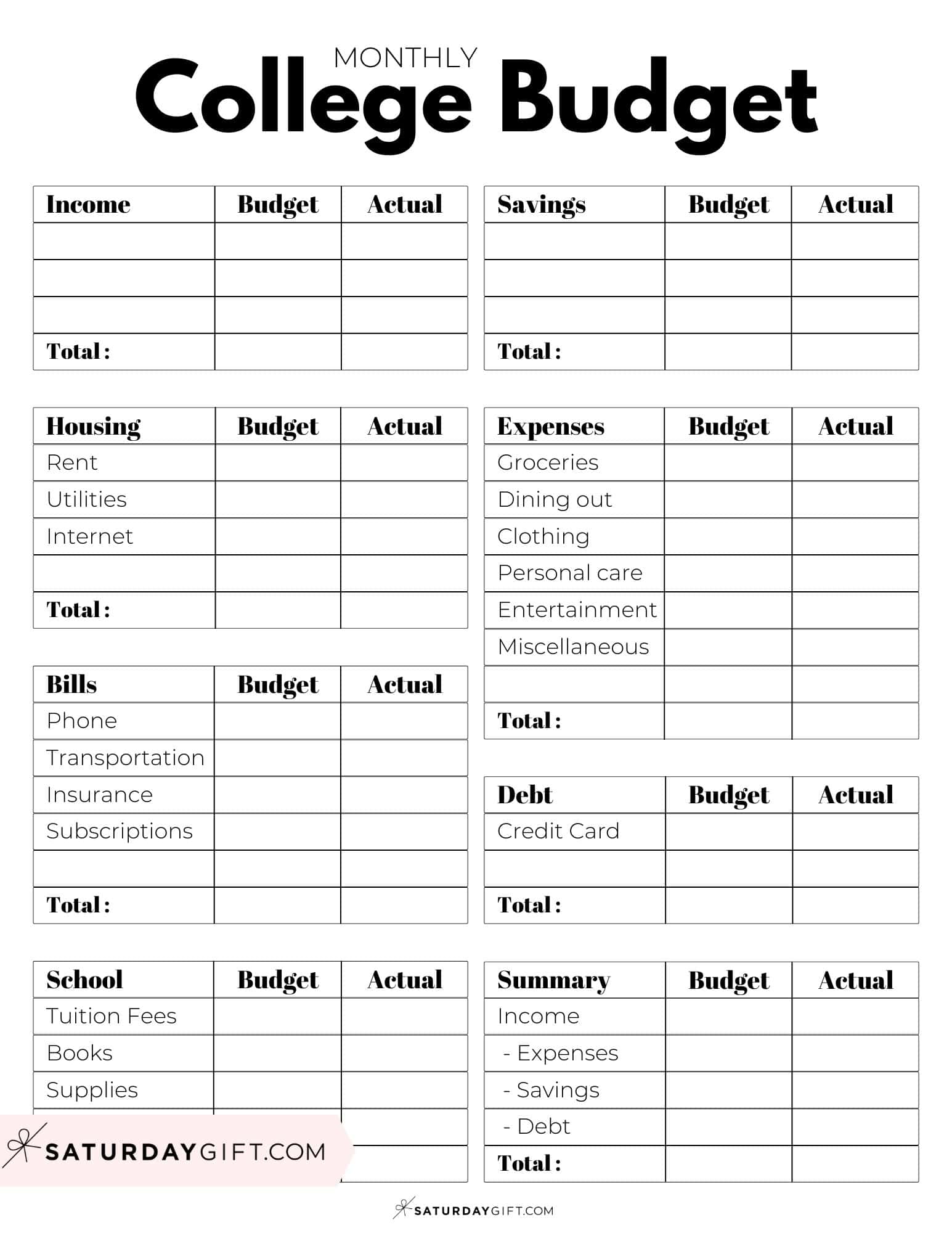
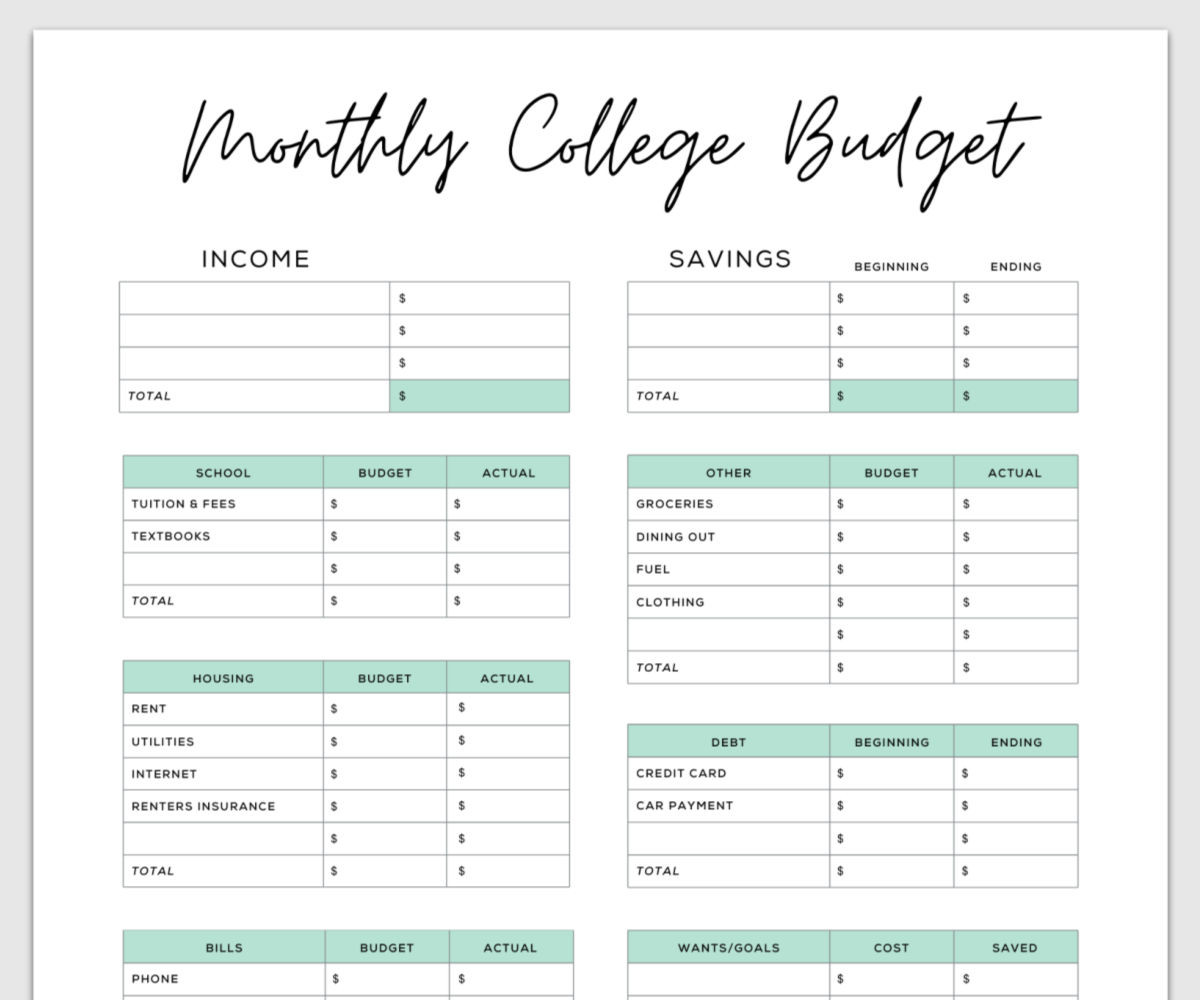
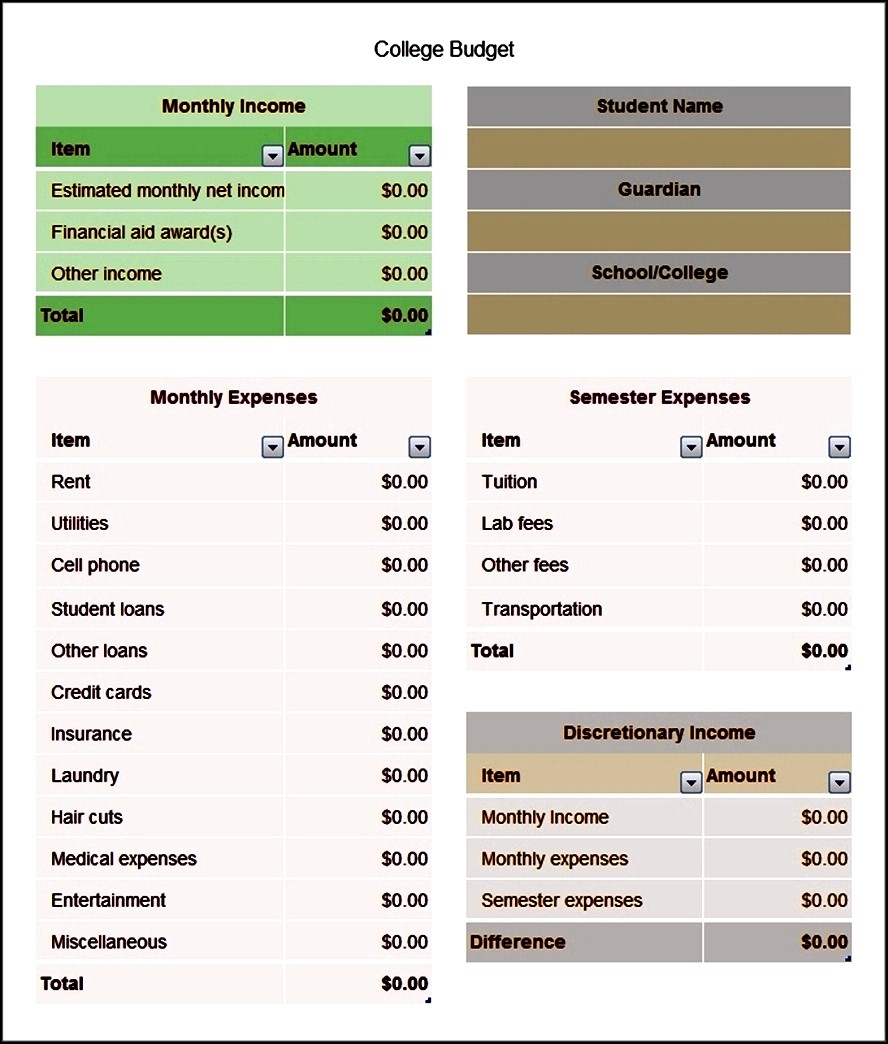
- Income Tracking: Record all sources of income, including job salaries, side gigs, and any passive income.
- Expense Categories: Break down your expenses into essential categories such as housing, utilities, groceries, transportation, entertainment, and savings.
- Monthly Overview: Get a clear picture of your financial situation each month, making it easier to identify trends and make adjustments.
- Savings Goals: Set specific savings goals, whether for an emergency fund, travel, or further education.
- Debt Management: Include sections to track student loans and other debts, helping you plan repayments effectively.
How to Use the Basic Budget Worksheet
Using the Basic Budget Worksheet effectively involves several steps. Here’s a practical guide to get you started:
Step 1: Gather Your Financial Information
Before filling out the worksheet, collect all relevant financial information. This includes pay stubs, bank statements, and bills. Knowing your income and obligations is essential for accurate budgeting.
Step 2: Fill in Your Income
Start by entering your total income. This should include your salary after taxes, any freelance income, or part-time work. Be honest and realistic about what you can expect to earn each month.
Step 3: List Your Expenses
Next, categorize and list your expenses. It’s important to differentiate between fixed expenses (like rent and loan payments) and variable expenses (like dining out or entertainment). This helps you see where you can cut back if needed.
Step 4: Analyze Your Budget
Once you’ve filled in the worksheet, analyze your budget. Are you spending more than you earn? If so, look at your variable expenses to see where you can make cuts. Aim for a balanced budget, where your income covers your expenses with some left over for savings.
Step 5: Set Financial Goals
With a clear understanding of your financial situation, set realistic goals. This could be saving a certain amount each month, paying down debt, or building an emergency fund. Write these goals on your worksheet to keep them top of mind.
Checking Progress With Your Budget Worksheet
Regularly checking your progress is essential for mastering budgeting skills. Here’s how to do it effectively:
Monthly Reviews
At the end of each month, review your worksheet. Compare your projected expenses to your actual spending. This will help you identify patterns, such as overspending in certain categories.
Adjusting Your Budget
If you notice recurring issues, adjust your budget accordingly. Maybe you need to allocate more for groceries if you find yourself consistently over budget in that area. Flexibility is key in budgeting.
Celebrating Milestones
Celebrate small milestones along the way. If you reach a savings goal or successfully reduce your spending in a category, take a moment to acknowledge your achievement. This helps keep you motivated and engaged in your budgeting journey.
Tips for Effective Budgeting as a College Graduate
Here are some practical tips to enhance your budgeting experience:
- Use Digital Tools: While the worksheet is a great starting point, consider using budgeting apps for real-time tracking and alerts.
- Stay Consistent: Make budgeting a regular habit. Set aside time each week or month to update your worksheet and review your financial goals.
- Educate Yourself: Take time to learn about personal finance. Understanding concepts like interest rates, investments, and savings accounts can lead to better financial decisions.
- Seek Professional Advice: If you’re struggling with debt or complex financial situations, don’t hesitate to seek advice from a financial advisor.
Tracking your finances can feel overwhelming, but with the Basic Budget Worksheet College Graduate, you have a solid foundation to build on. By taking control of your budget now, you’re setting yourself up for a more secure financial future. Start today by downloading the worksheet and taking that first step toward financial independence.