Managing personal finances can be a daunting task, especially for small business owners trying to balance operational costs and personal expenses. An Actual And Budgeting Budget Worksheet is a practical tool that helps in visualizing income versus spending, ensuring that financial goals are met. This resource can help streamline your budgeting process, making it easier to stay on top of financial obligations.
Understanding the Actual And Budgeting Budget Worksheet
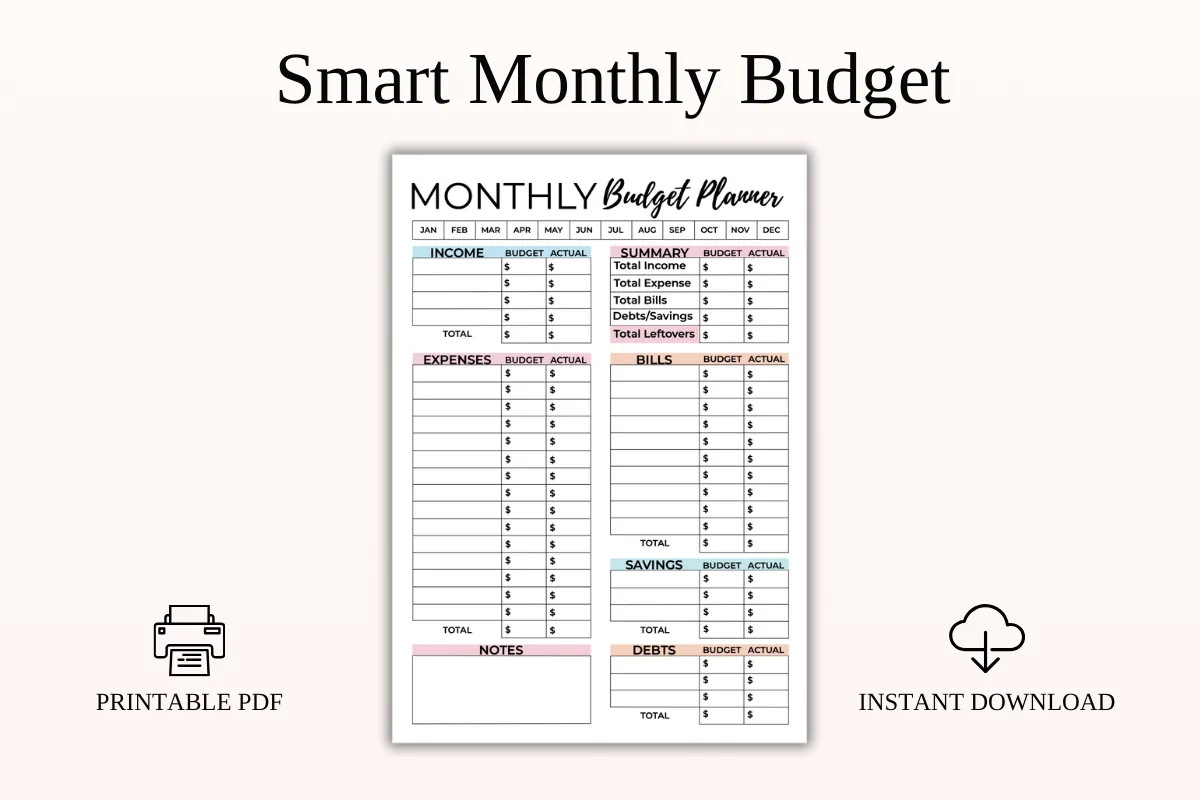
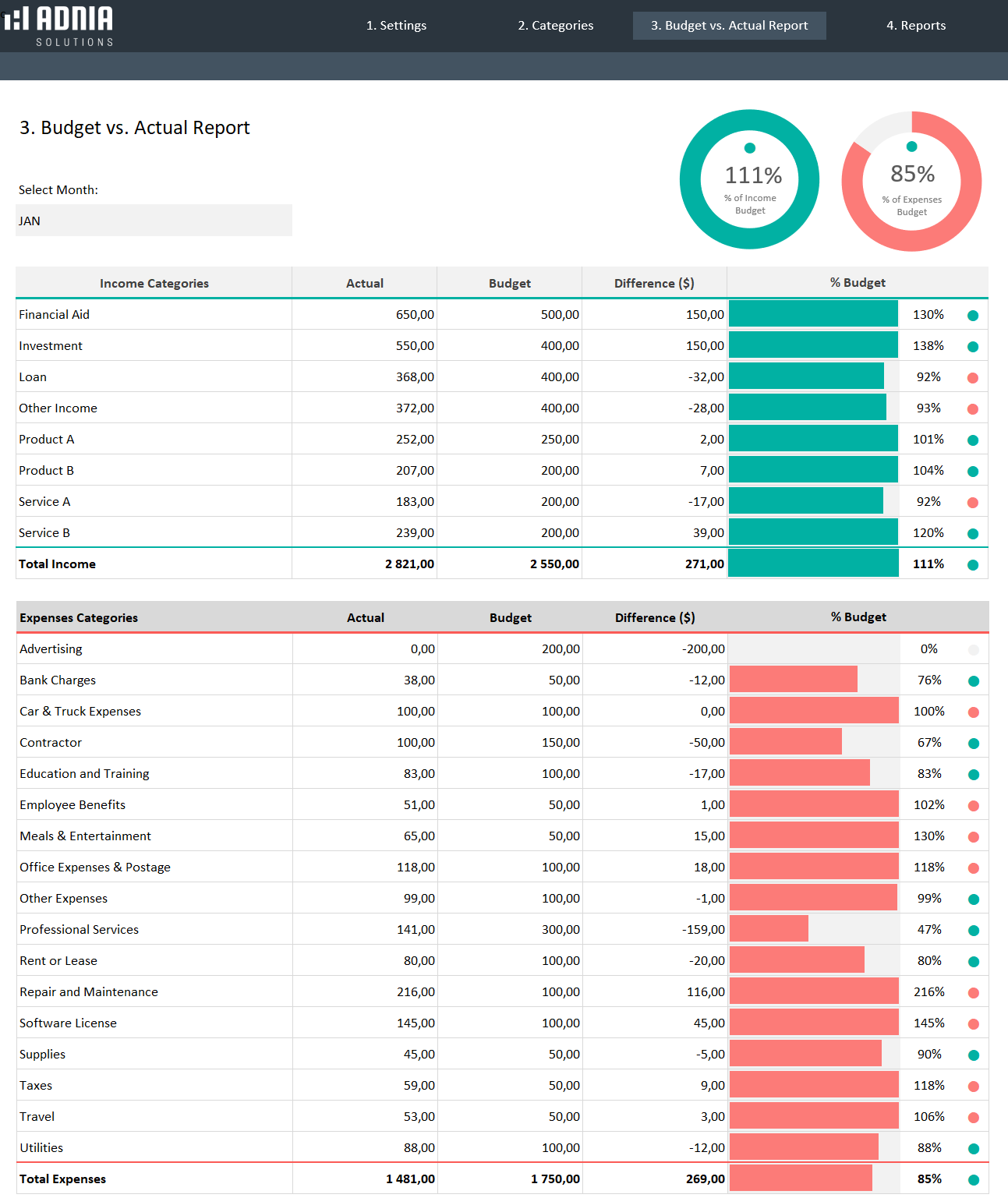
The Actual And Budgeting Budget Worksheet is designed to provide a clear overview of your financial situation. It typically includes sections for listing expected income, fixed expenses, variable expenses, and savings goals. By filling out this worksheet, you can easily compare what you planned to spend against what you actually spent. This allows for better financial forecasting and adjustments in future budgeting efforts.
Key Components of the Worksheet
- Income Section: This part lists all sources of income, including salary, freelance work, and passive income streams. It’s essential to be as comprehensive as possible to ensure accurate budgeting.
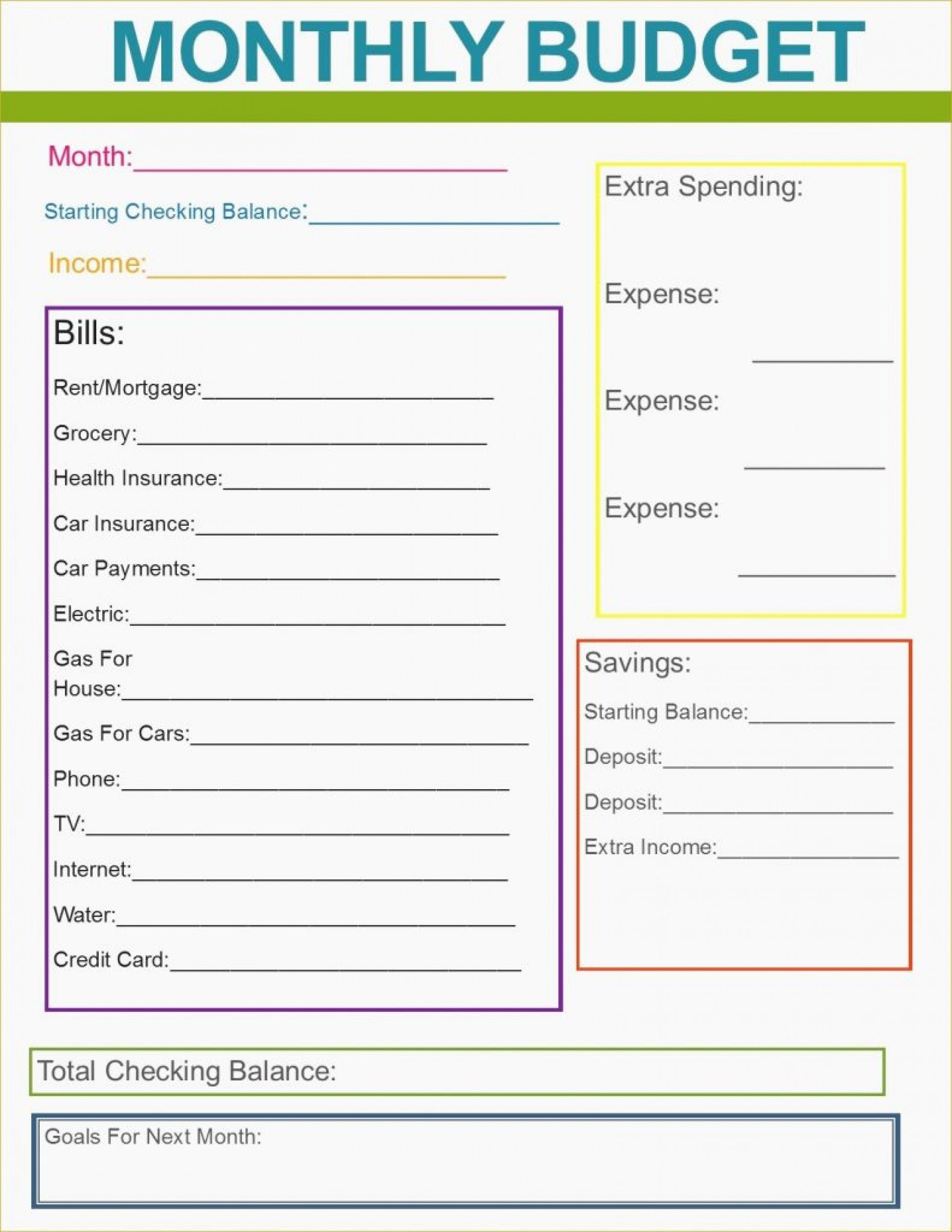
- Fixed Expenses: These are regular payments that do not change month to month, such as rent, mortgage, and insurance. Identifying these allows for a clearer picture of unavoidable costs.
- Variable Expenses: Unlike fixed expenses, these can fluctuate—think groceries, entertainment, and dining out. Monitoring these can help identify areas for cost-cutting.
- Savings Goals: A section dedicated to savings can motivate you to set aside money for emergencies or future investments. This can also include retirement contributions.
- Actual vs. Budgeted: The final part of the worksheet should allow for a comparison between budgeted amounts and actual spending. This helps track discrepancies and analyze spending habits.
How to Download and Print the Worksheet
Finding the right Actual And Budgeting Budget Worksheet is easy. Many printable-resource websites offer free downloads. Look for a PDF version, as this format often preserves layout and design better than image files.
Steps to Download
- Search Online: Use relevant keywords like “Actual And Budgeting Budget Worksheet” to find a suitable resource.
- Select the Resource: Choose a worksheet that best fits your needs. Ensure it includes all essential sections.
- Download the File: Click the download button, and save the file to a location on your computer where you can easily access it.
- Print the Worksheet: Open the downloaded file and print it. For best results, use standard letter-sized paper (8.5 x 11 inches) and set your printer to portrait layout.
Setting Up the Worksheet for Use
Once you have your Actual And Budgeting Budget Worksheet printed, it’s time to set it up for use. This can be done at home, making it a flexible option for busy small business owners.
Organizing Your Budgeting Session
- Find a Quiet Space: Choose a distraction-free area where you can focus on your finances.
- Gather Financial Documents: Collect all relevant income statements, bills, and bank statements. Having these on hand will help ensure accuracy.
- Fill Out the Worksheet: Start by entering your income sources. Next, list all fixed expenses, followed by variable expenses. Finally, set your savings goals for the month.
- Review and Adjust: After filling in the worksheet, compare your budgeted amounts with actual spending over the month. Make notes of any major discrepancies and adjust the next month’s budget accordingly.
Tips for Effective Budgeting
Using the Actual And Budgeting Budget Worksheet effectively requires a disciplined approach. Here are some tips to help you stay on track:
- Regular Check-ins: Set aside time weekly or bi-weekly to review your budget. This will help catch any overspending early.
- Be Realistic: When planning your budget, be realistic about your expenses. Avoid underestimating costs; this can lead to frustration.
- Use Technology: Consider using budgeting apps that complement your worksheet. These can help automate tracking and provide reminders for bill payments.
- Celebrate Small Wins: If you manage to stick to your budget, treat yourself to a small reward. This can help motivate you to continue.
- Adjust as Needed: Life changes can impact your finances. Be prepared to adjust your budget to reflect new circumstances, such as a change in income or unexpected expenses.