Budgeting is not just about numbers; it’s a life skill that can empower you and your family to make informed financial decisions. Activity worksheets for money budgeting can be a key tool in developing this skill. These resources provide a hands-on approach to understanding money management, making them perfect for home or homeschool use.
Understanding the Importance of Money Budgeting
Before diving into the specifics of activity worksheets, it’s essential to grasp why budgeting matters. A budget helps you track your income and expenses, allowing you to allocate funds effectively for savings, necessities, and fun. Teaching budgeting to children and teens prepares them for adult financial responsibilities. Using engaging worksheets can make this learning process enjoyable.
These worksheets often include various activities like calculating expenses, creating savings goals, and even role-playing scenarios to simulate real-life financial decisions. They can be tailored for different age groups, ensuring that everyone in the family can participate.
Choosing the Right Activity Worksheets
When selecting activity worksheets for money budgeting, consider the following factors:
- Age Appropriateness: Ensure the worksheets are suitable for the age group you are targeting. Younger kids may benefit from simple worksheets that involve drawing or coloring, while older children and teenagers can tackle more complex budgeting scenarios.
- Engagement Level: Look for worksheets that include interactive elements, such as games or challenges. These can help maintain interest and encourage participation.
- Format and Accessibility: Many worksheets are available in PDF format, which is easy to download and print. Ensure that the worksheets are well-designed, with clear instructions and visually appealing layouts.
- Variety of Activities: Choose worksheets that incorporate various budgeting aspects — from income tracking to expense categorization. A mix of activities keeps the learning process dynamic and comprehensive.
Setting Up Your Budgeting Session
Creating a dedicated time for budgeting activities can help instill financial discipline in your family. Here’s a simple workflow to follow:
- Download and Print: Once you’ve chosen your worksheets, download and print them. Most home printers handle standard letter-size paper (8.5″ x 11″) well. If you plan to use the worksheets repeatedly, consider printing them on cardstock for durability.
- Gather Supplies: Collect any additional supplies you might need, such as colored pencils or markers for creative activities, calculators for math-heavy worksheets, and notebooks for notes or reflections.
- Create a Comfortable Learning Space: Set up a space in your home where everyone can sit together comfortably. A table or a cozy corner with good lighting can enhance the experience.
- Explain the Purpose: Before diving into the activities, take a moment to discuss the importance of budgeting. Explain how these skills will benefit them now and in the future.
- Engage Actively: As you work through the worksheets together, encourage questions and discussions. This interaction reinforces learning and makes the session more enjoyable.
Types of Activity Worksheets to Use
Here are some specific types of activity worksheets for money budgeting that you can incorporate into your sessions:
Expense Trackers
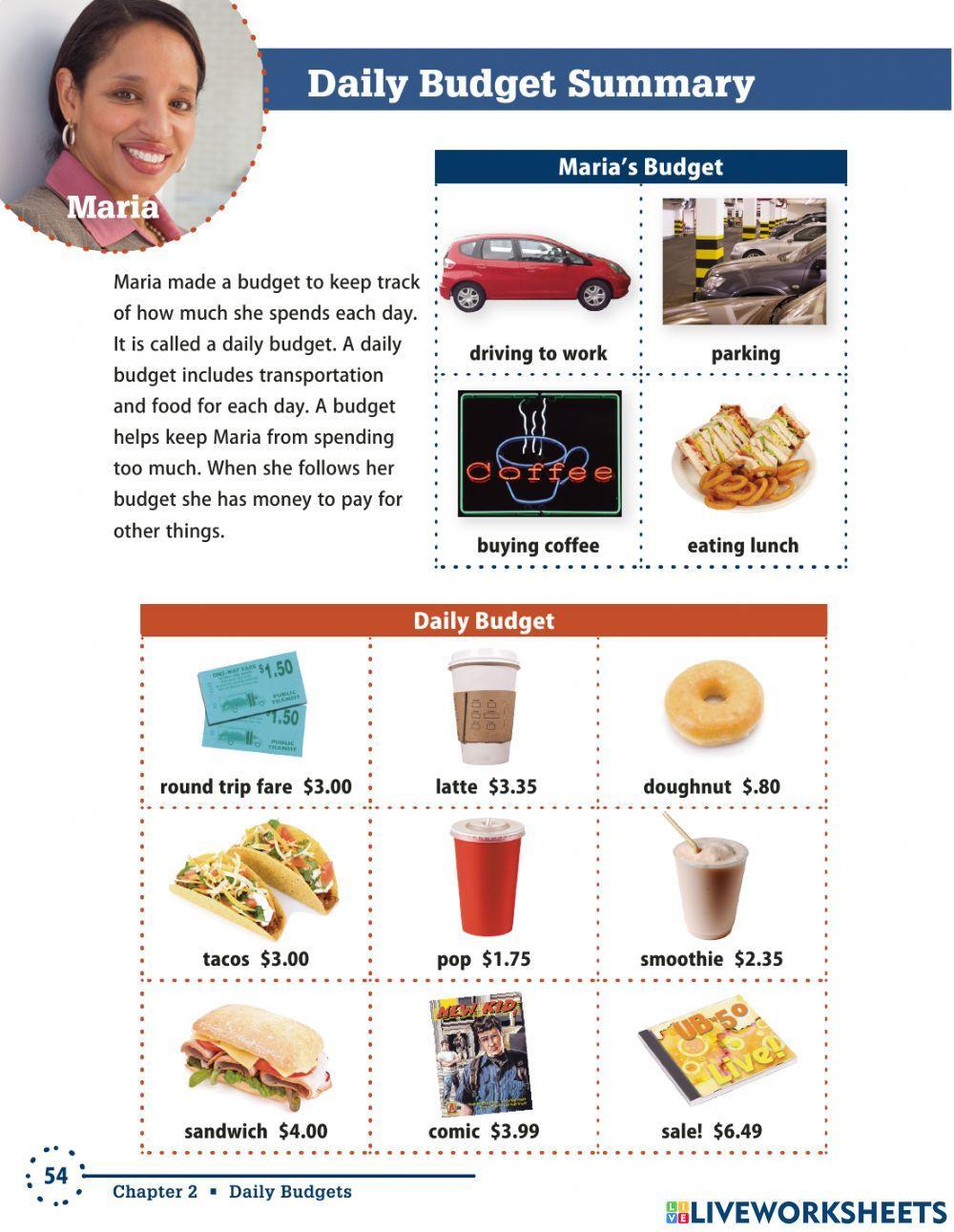
These worksheets allow users to list their daily expenses and categorize them (e.g., food, transportation, entertainment). By keeping track of expenses, individuals can identify spending patterns and areas where they can cut costs.
Savings Goals Worksheets
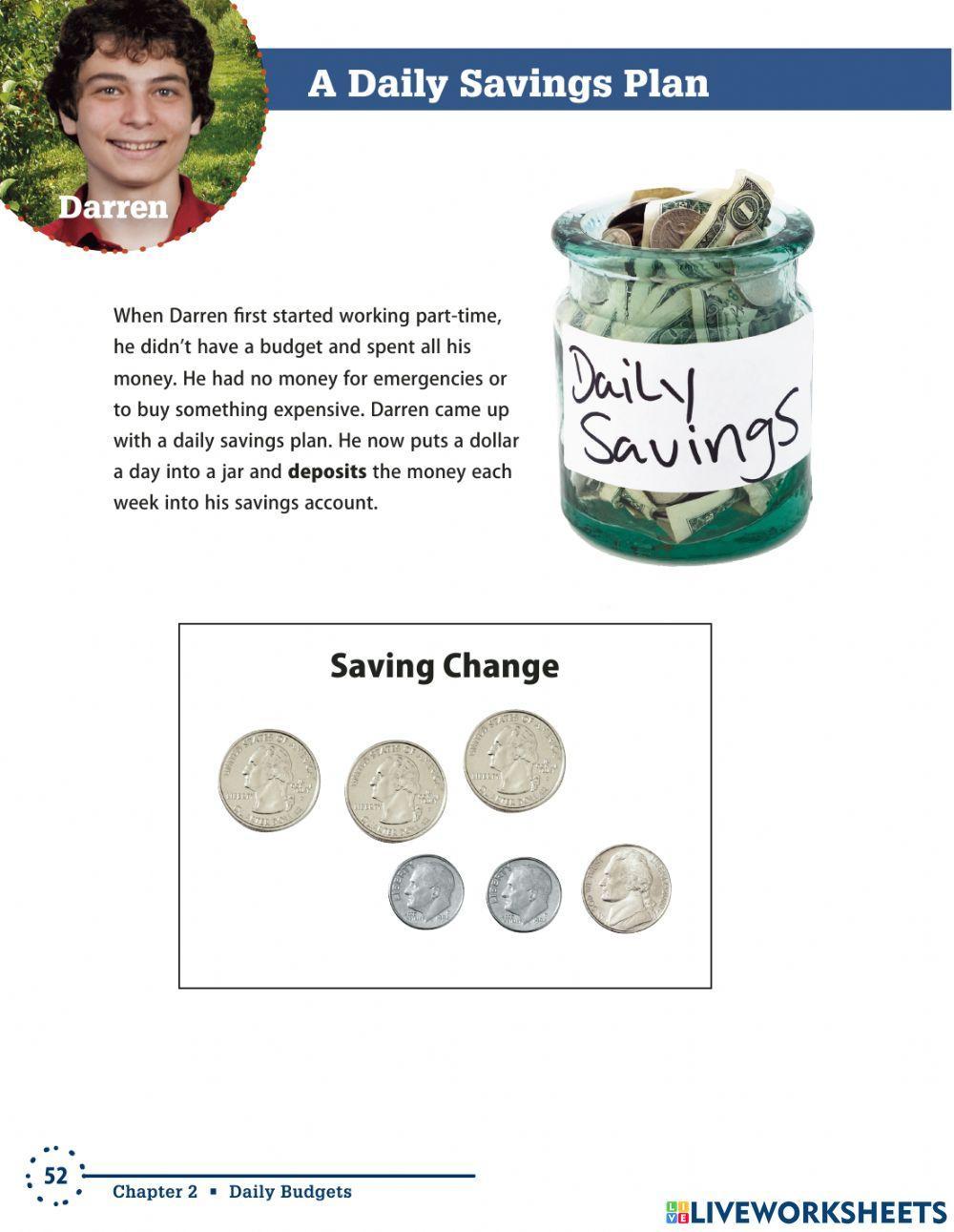
Encourage your family to set savings goals using these worksheets. They often include sections for writing down goals, tracking progress, and even visual elements like graphs or charts that make saving more tangible.
Budget Planners
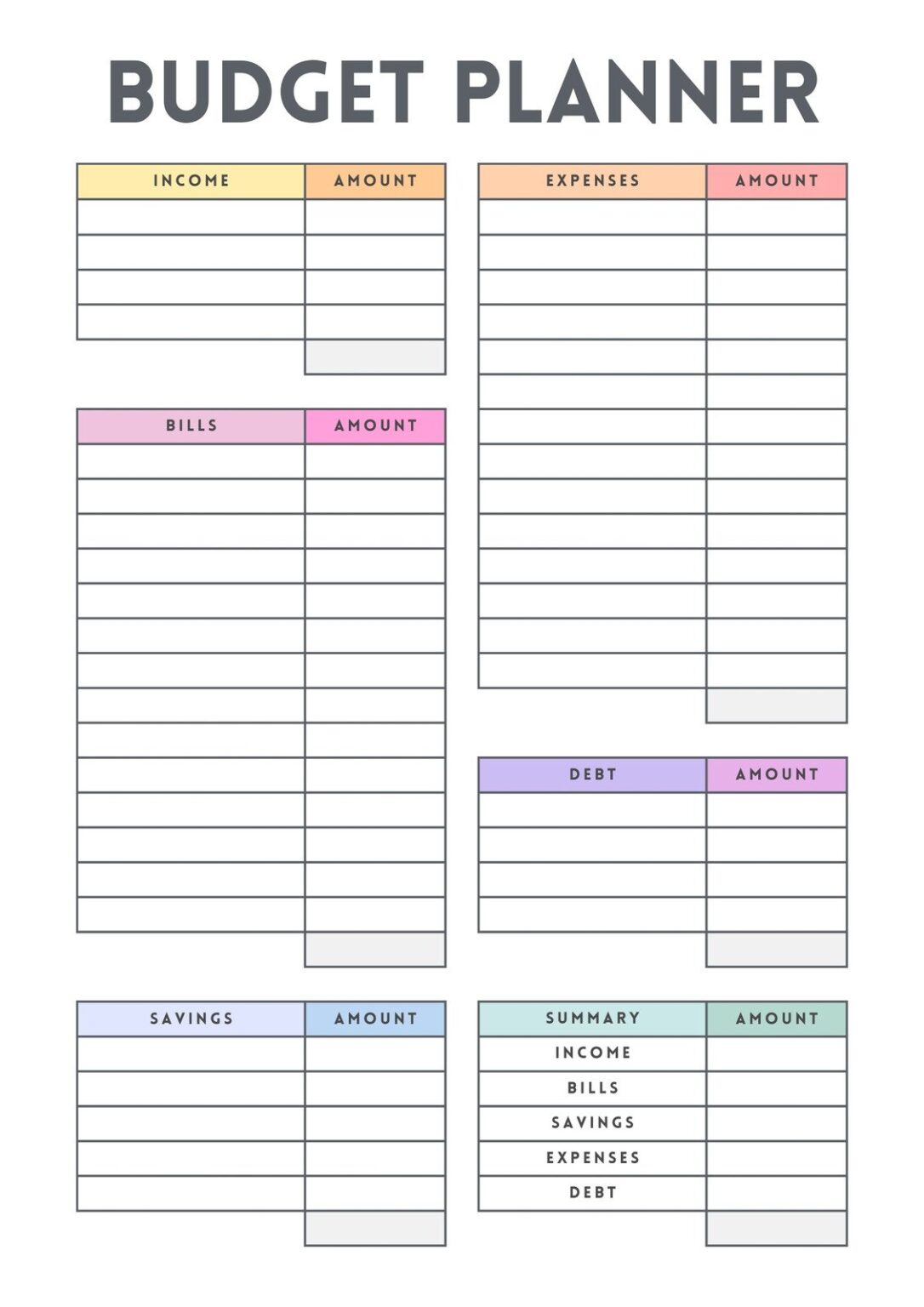
Budget planners help users allocate their monthly income across various categories. These worksheets typically include sections for fixed expenses (like rent and utilities) and variable expenses (like groceries and entertainment).
Role-Playing Scenarios
Some worksheets incorporate role-playing elements where users make decisions based on hypothetical financial situations. This interactive approach can help illustrate the consequences of financial choices in a fun way.
Coloring Pages With Financial Themes
For younger children, coloring pages that incorporate financial themes can be a creative way to introduce budgeting concepts. These pages can include images related to money, saving, or spending that kids can color while discussing the ideas behind them.
Using Worksheets in Everyday Life
Integrating budgeting worksheets into daily routines can reinforce financial literacy. Here are some practical ways to do this:
- Weekly Budget Meetings: Set aside time each week to review your family’s budget. Use the worksheets to track progress and adjust spending as necessary.
- Monthly Financial Challenges: Encourage your family to take on monthly challenges, such as reducing a specific expense or saving a certain amount. Use worksheets to plan and track these challenges.
- Interactive Learning: Consider turning budgeting into a game. For example, you could create a family competition to see who can save the most money over a month, using worksheets to document each person’s efforts.
- Reflective Practices: After completing worksheets, take time to reflect on what was learned. Discuss what budgeting strategies worked well and what could be improved in the future.
- Incorporate Technology: While printable worksheets are great, consider complementing them with budgeting apps or online resources as your family becomes more comfortable with budgeting concepts.
Using activity worksheets for money budgeting can be a fun, engaging way to teach financial skills. By integrating these worksheets into daily life, you can help your family build a solid foundation for managing money effectively. The key is to keep the activities enjoyable and relevant, ensuring that everyone stays engaged and motivated to learn.
One useful detail to remember is that these worksheets often come with additional resources or tips for parents, making them even more effective for teaching budgeting concepts at home.