Managing your finances can often feel overwhelming. Keeping track of expenses, income, and savings requires organization and planning. That’s where a good worksheet for budgeting comes in. This essential tool can help you visualize your finances, set goals, and make informed decisions. By breaking down your income and expenses, you can easily identify areas to save and strategies to reach your financial goals.
Understanding the Importance of Budgeting
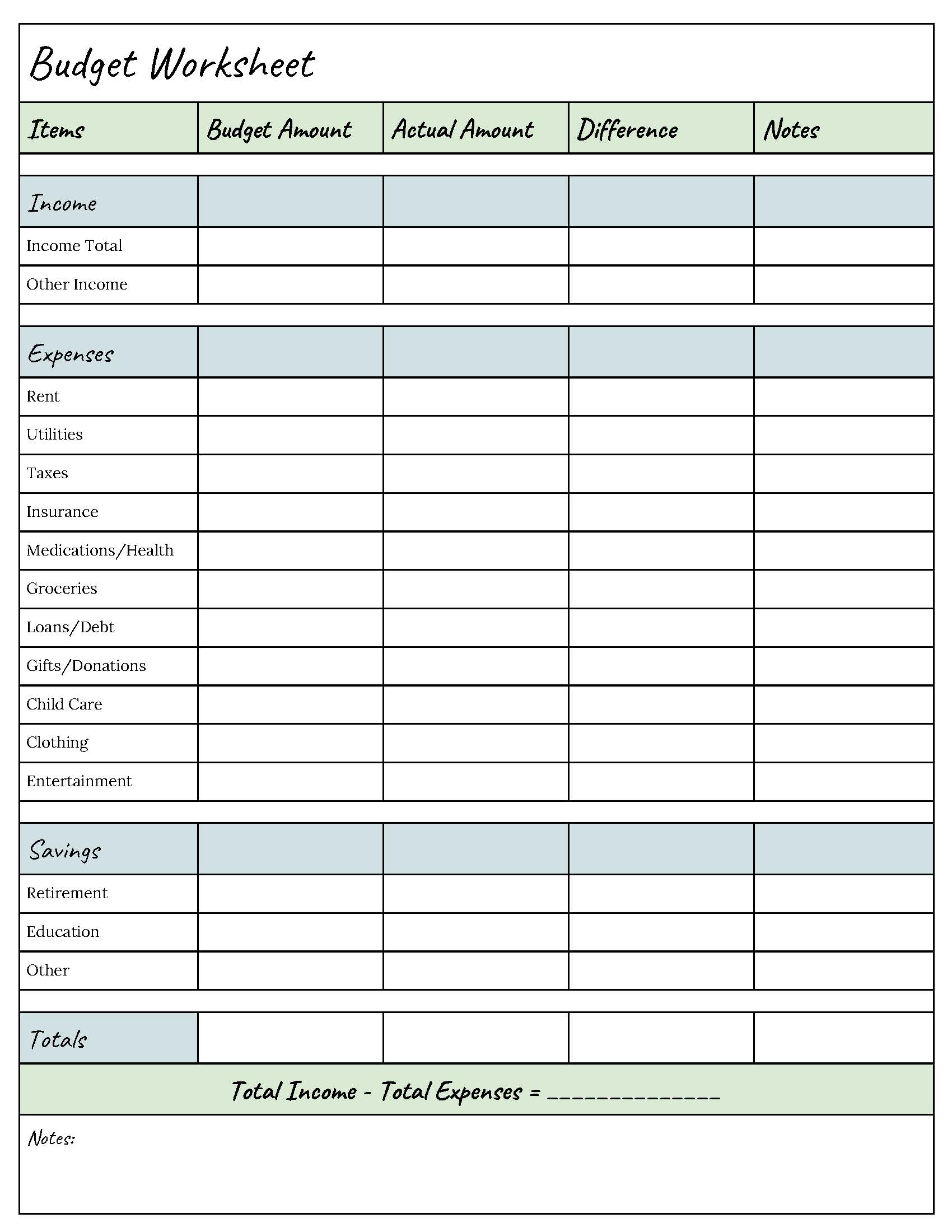
Budgeting is more than just tracking your spending. It’s about understanding your financial situation to make better choices. A budgeting worksheet provides a structured format to help you plan your monthly expenses, savings, and debt repayment.
Using a worksheet allows you to see where your money is going. It can highlight unnecessary expenditures and encourage you to allocate funds towards savings or investments. By regularly updating your worksheet, you can stay on top of your financial goals, making adjustments as needed.
Choosing the Right Worksheet for Your Needs
When looking for a good worksheet for budgeting, consider your unique financial situation. Here are a few factors to help you choose the right format:
- Monthly vs. Yearly: Decide whether you want to track your budget on a monthly or yearly basis. Monthly worksheets are great for short-term planning, while yearly options help you see the big picture.
- Income Sources: Ensure the worksheet accommodates all your income sources. This is vital for a complete financial picture.
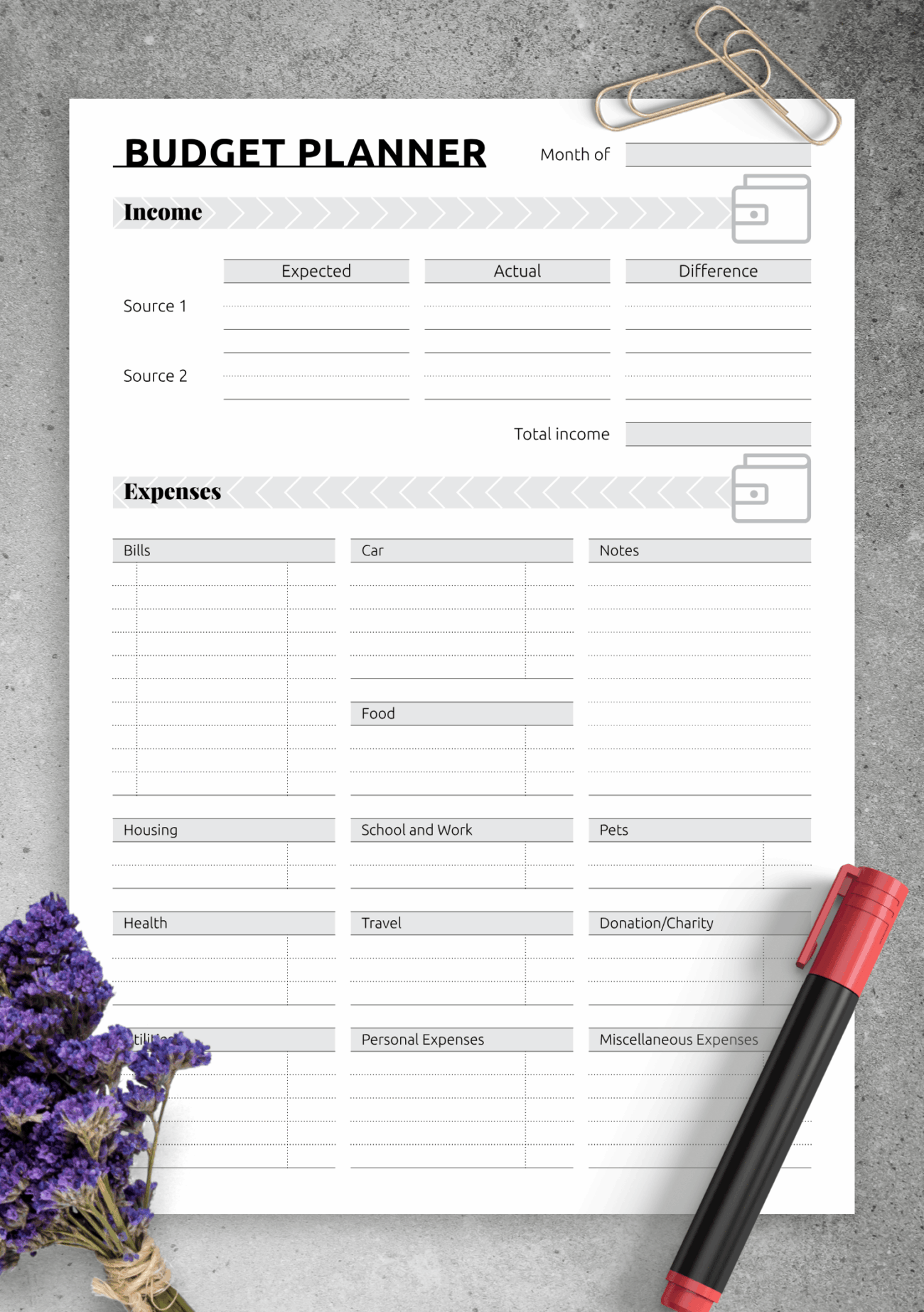
- Expense Categories: Look for worksheets that allow you to categorize your expenses. Common categories include housing, transportation, food, and entertainment.
- Savings Goals: Some worksheets include sections for savings goals. This feature can motivate you to set aside money for future needs.
Downloading and Printing Your Budget Worksheet
Once you’ve chosen a good worksheet for budgeting, the next step is to download and print it. Most worksheets are available in PDF format, making it easy to print directly from your computer. Here’s how to do it effectively:
- Select Your Worksheet: Find a budgeting worksheet that fits your needs. Websites often offer free downloadable resources.
- Download the File: Click the download button, and save the file to your device. Ensure you know where it’s saved for easy access later.
- Print Settings: When it’s time to print, use the following tips:
- Set your printer to “Portrait” layout for most worksheets.
- Use standard letter size (8.5 x 11 inches) for easy filing.
- If you plan to write on it frequently, consider printing on cardstock for durability.
Setting Up Your Budget Worksheet
Now that you have your worksheet printed, it’s time to set it up. Here’s a step-by-step guide to fill it out effectively:
- Enter Your Income: Start by listing all sources of income. This should include your salary, side jobs, and any passive income you may have. Total this amount at the bottom of the section.
- List Your Fixed Expenses: Next, write down all fixed monthly expenses. This includes rent or mortgage, utilities, insurance, and subscriptions. Knowing these helps you see your essential spending.
- Estimate Variable Expenses: Variable expenses can fluctuate each month. Estimate costs for groceries, dining out, transportation, and entertainment. Be realistic with these estimates to avoid overspending.
- Calculate Savings Goals: Dedicate a section for savings. If you are saving for a vacation, a new car, or an emergency fund, write down your goals along with the amount you plan to save monthly.
- Review and Adjust: After filling out the worksheet, review your totals. You should have a clear picture of your financial situation. Adjust your expenses and savings as necessary to ensure your budget aligns with your goals.
Using Your Budget Worksheet Regularly
A good worksheet for budgeting isn’t just a one-time tool; it’s a resource you should revisit regularly. Here’s how to make the most of it:
- Monthly Reviews: Set aside time each month to review your budget. Compare your estimated expenses to actual spending. This helps you identify any discrepancies and adjust for the following month.
- Track Progress: As you use your worksheet, track your progress towards savings goals. Celebrate small achievements to keep yourself motivated.
- Adjust as Needed: Life changes, and so should your budget. If you get a raise, incur new expenses, or have a shift in priorities, update your worksheet accordingly.
- Stay Accountable: If you’re working with a partner or family, share your worksheet with them. This encourages accountability and helps everyone stay on the same financial page.
Tips for Maximizing Your Budgeting Efforts
To truly benefit from a good worksheet for budgeting, consider implementing these additional tips:
- Use Apps: While worksheets are great, combining them with budgeting apps can provide real-time tracking and alerts for overspending.
- Keep Receipts: Maintain a receipt log for a month. This practice helps you see where your money goes and can inform future budget adjustments.
- Plan for Irregular Expenses: Don’t forget to account for irregular expenses, like car maintenance or holiday shopping. Set aside a small amount each month to cover these costs when they arise.
By following these steps and regularly using your budgeting worksheet, you can gain greater control over your finances. Start today with a good worksheet for budgeting, and take the first step towards achieving your financial goals.