A Budget Worksheet For Students is a crucial tool that helps young adults take control of their finances. This printable resource can assist students in tracking their income, expenses, and savings effectively. Understanding how to manage money is essential for developing financial literacy, especially for students who are just beginning their journey into adulthood.
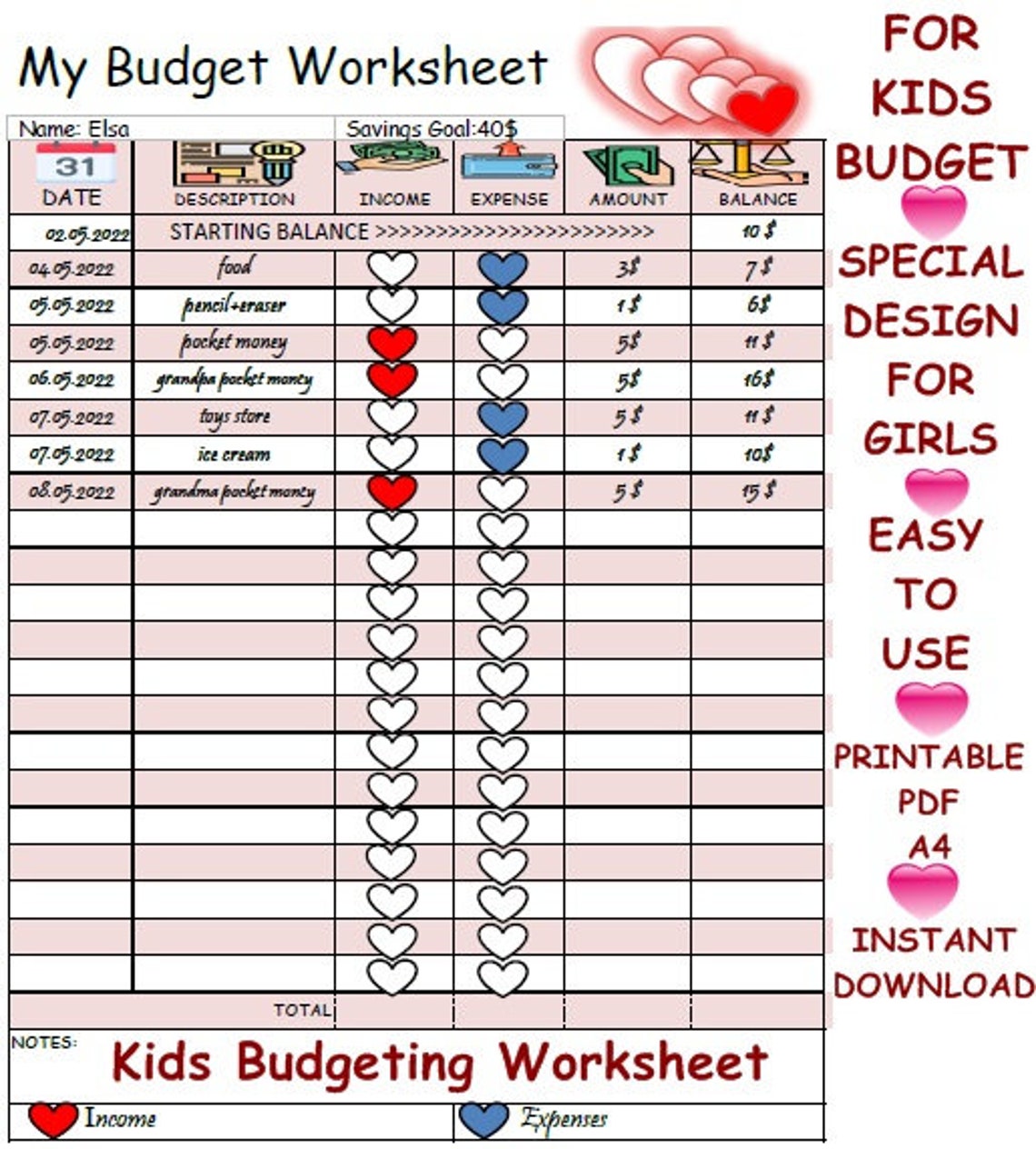
Understanding the Layout of a Budget Worksheet
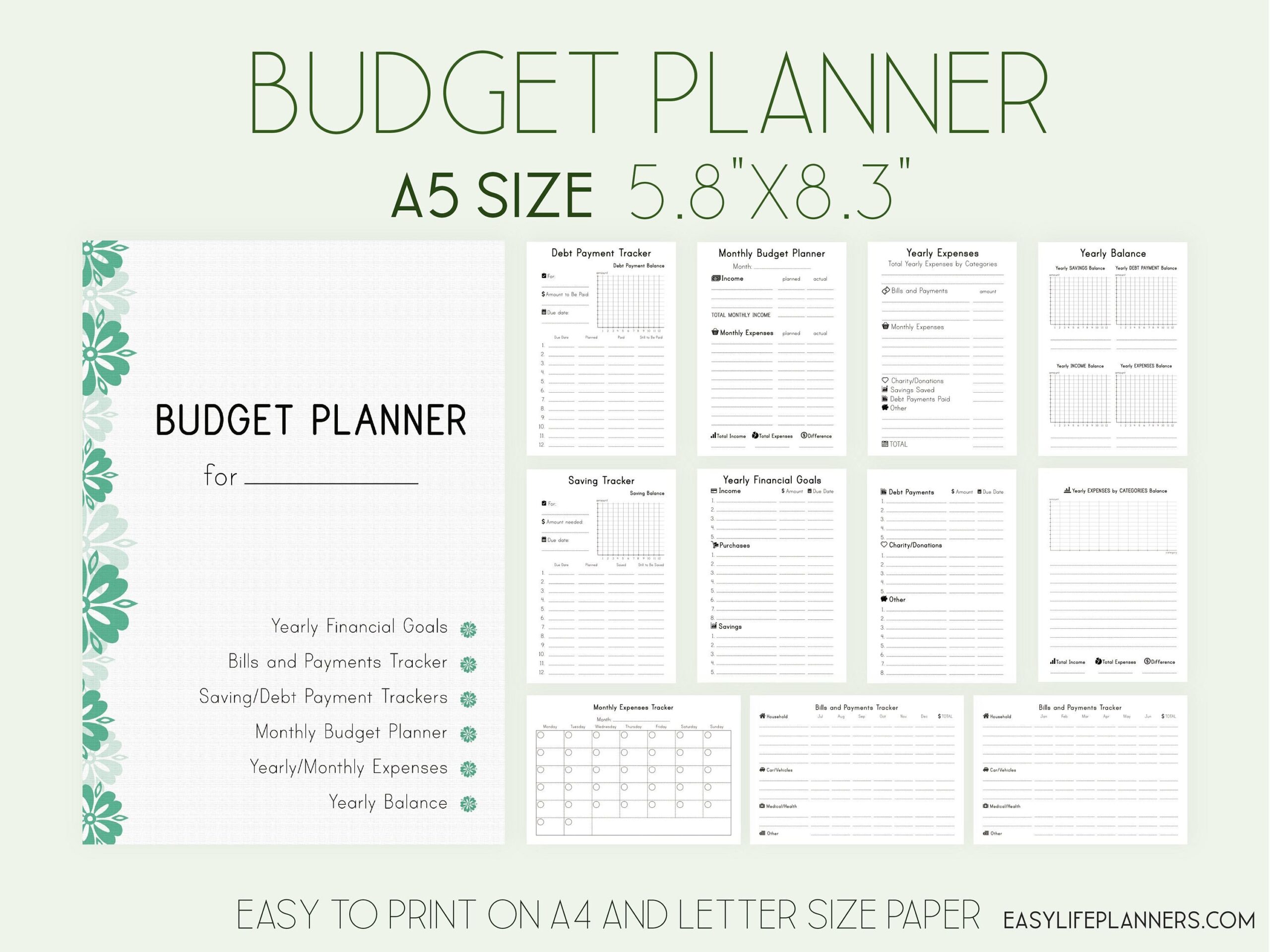
When you first download a budget worksheet for students, you’ll notice its structured layout. Typically, these worksheets include sections for income, fixed expenses (like rent or tuition), variable expenses (like groceries or entertainment), and savings goals. The design often features clear, labeled rows and columns that make it easy to fill in information.
The worksheet usually starts with a section for Income, where students can list all their sources of money. This could include part-time jobs, allowances, or scholarships. The next section often lists Fixed Expenses, which are costs that do not change month to month. Understanding these figures is crucial for students, as they can help identify how much money is left for discretionary spending.
Filling Out the Budget Worksheet
Filling out the budget worksheet is an important skill that students need to practice. Start by entering your income sources at the top. If you’re working part-time, include your monthly salary. If you receive any financial aid or allowances, those should be added too.
Next, move to the Expenses section. Here, you’ll typically find categories like:
- Housing: Rent or dorm fees
- Utilities: Electricity, water, internet
- Food: Groceries and eating out
- Transportation: Gas, public transport, or rideshares
- Entertainment: Movies, events, or subscriptions
Make sure you fill in these categories with realistic estimates based on your spending habits. It’s helpful to review past bank statements or receipts to get a good idea of what you typically spend.
Setting Financial Goals
One of the most beneficial features of a budget worksheet for students is the Savings Goals section. This part encourages students to think about their financial aspirations. Whether it’s saving for a new laptop, a vacation, or even future tuition, having a clear goal can motivate better spending habits.
You might want to set short-term goals (like saving for a concert) and long-term goals (like saving for a car). Write down how much you need for each goal and by when you want to achieve it. This not only keeps you focused but also helps you allocate your budget effectively.
Tracking and Adjusting Your Budget
Once the worksheet is filled out, it’s essential to track your spending and make adjustments as necessary. Many students find that their initial estimates aren’t always accurate. For instance, if you budgeted $200 for groceries but find you’re spending $250, it’s important to adjust your budget accordingly.
Regularly reviewing your budget can help you identify areas where you can cut back. Perhaps you notice you’re spending too much on entertainment—this is an opportunity to swap movie nights for game nights at home, saving you money while still having fun.
Tips for Effective Use of a Budget Worksheet
To make the most out of your budget worksheet, consider these practical tips:
- Use Clear Labels: When filling out each section, use clear and concise labels. This will make it easier to reference later.
- Regular Updates: Update your worksheet weekly or monthly to ensure it reflects your current financial situation.
- Use Color Coding: If you’re visually inclined, color coding different sections can help you see areas of spending quickly.
- Keep It Accessible: Store your worksheet in a place where you can easily access it, whether digitally or printed out on your desk.
Making It a Routine
Incorporating the budget worksheet into your daily or weekly routine can significantly improve your financial literacy and management skills. Set aside time each week to review your budget and adjust it based on your spending patterns. This habit not only reinforces the importance of budgeting but also helps build discipline in managing your finances.
Using a budget worksheet can feel overwhelming at first, but it becomes easier with practice. The key is to stay consistent and make it part of your financial planning routine.
The Importance of Financial Literacy
In today’s world, financial literacy is more important than ever, especially for students. A Budget Worksheet For Students not only helps in managing current finances but also lays the groundwork for future financial success. Understanding how to budget effectively can help avoid debt and encourage responsible spending habits.
As students become more adept at managing their finances, they gain confidence in their ability to make informed decisions about money. This confidence can translate into other areas of life, fostering a sense of independence and responsibility.
The most useful detail to remember is that budgeting is not just about tracking money; it’s a tool for planning your future and achieving your goals. With a budget worksheet, you can take control of your finances and build a solid foundation for your financial future.