Managing a budget can seem daunting, especially for students who are just beginning to understand financial literacy. The Show Me A Budget Worksheet is an excellent resource for educators and parents alike, designed to teach the fundamentals of budgeting effectively. This printable worksheet not only helps students learn how to allocate their resources wisely but also makes budgeting a fun and engaging activity.
Understanding the Importance of Budgeting
Before diving into the specifics of the worksheet, it’s crucial to grasp why budgeting is a vital skill for students. Teaching kids about budgeting early on can lead to better financial habits in adulthood. It encourages them to think critically about their spending and saving habits, laying the groundwork for financial independence.
In a classroom or homeschool setting, budgeting lessons can be integrated into math, economics, or life skills curricula. By using the Show Me A Budget Worksheet, students can visualize their income and expenses, making the concept of budgeting more tangible.
Overview of the Show Me A Budget Worksheet
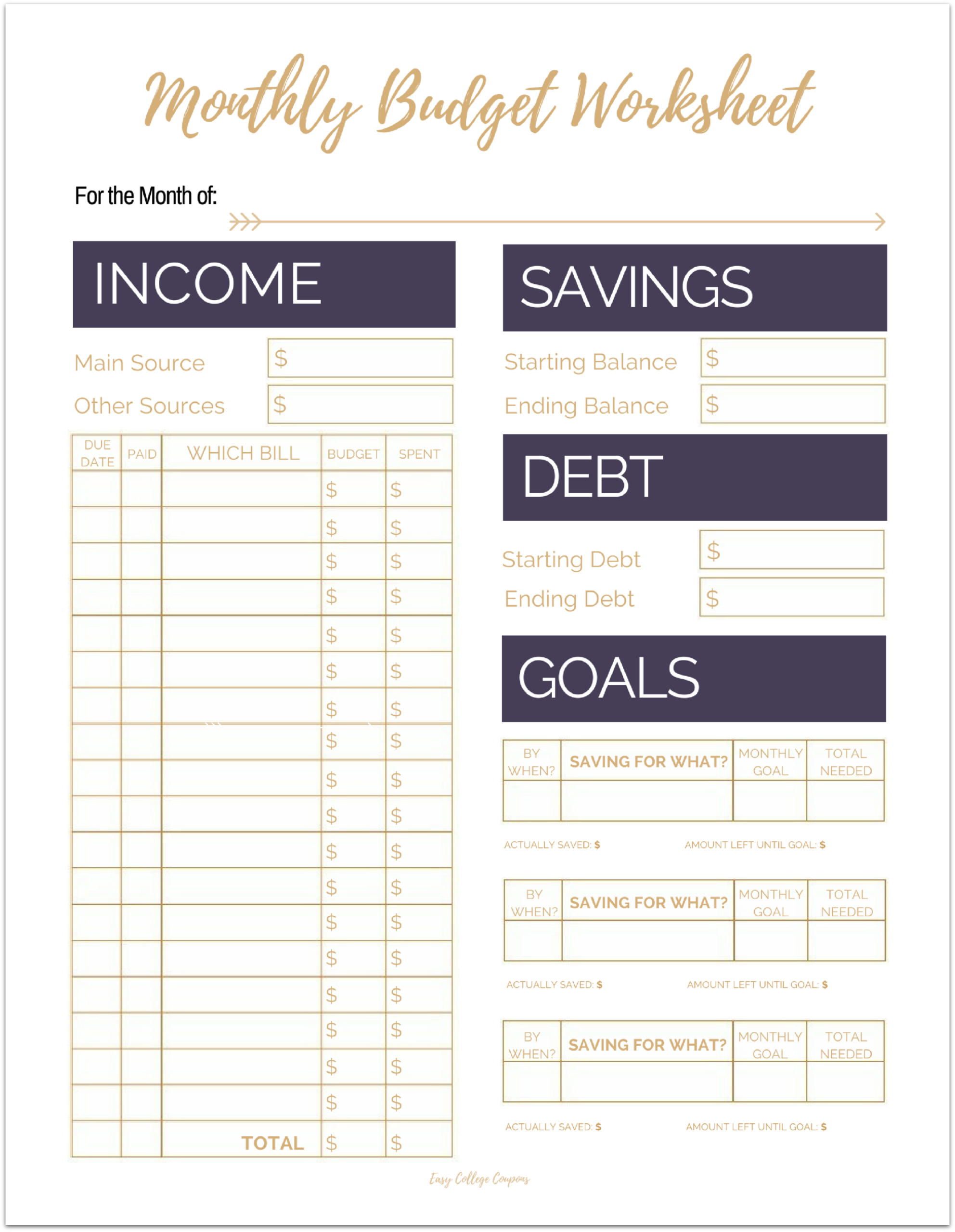
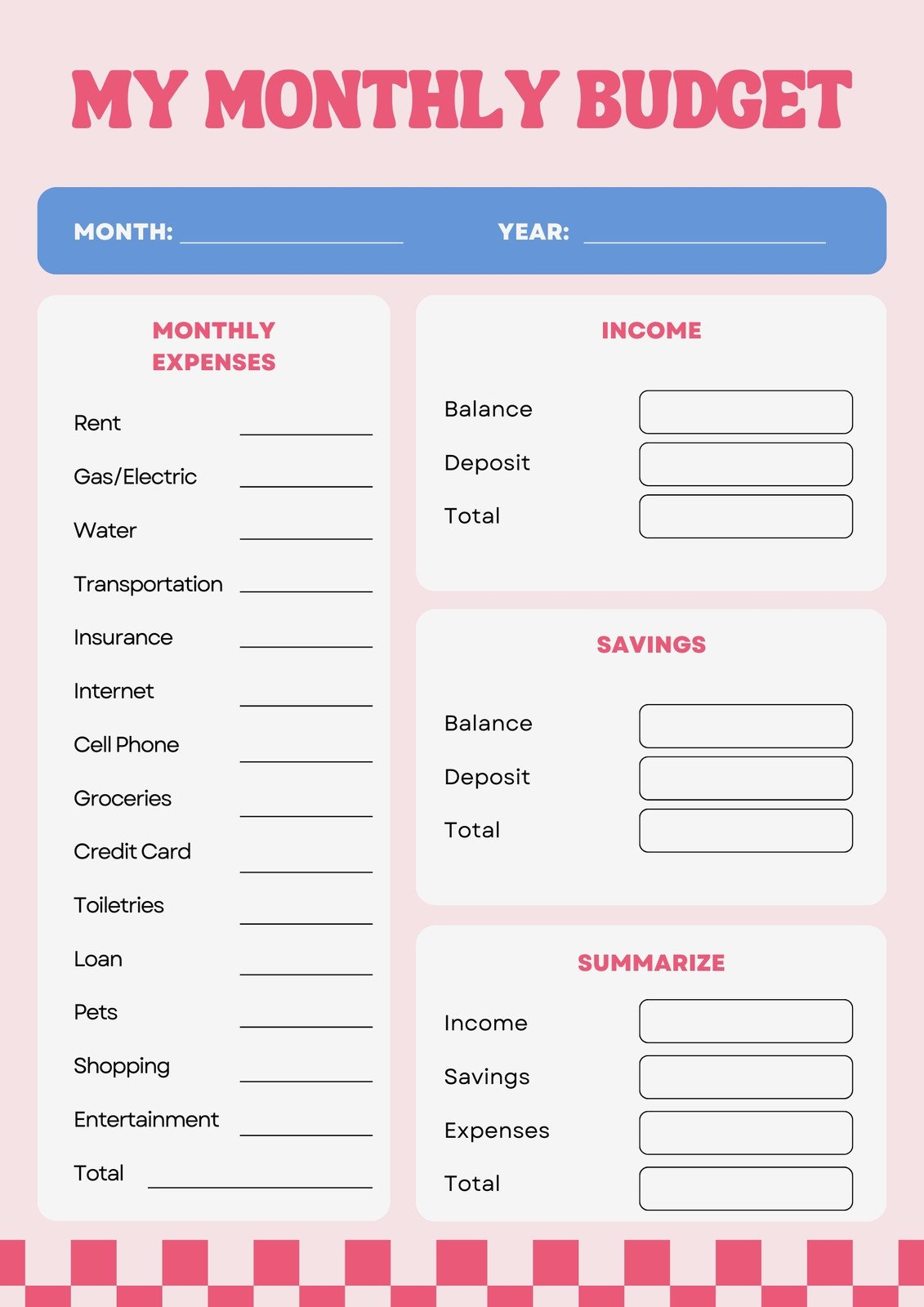
The Show Me A Budget Worksheet is designed for a variety of age groups, typically suitable for upper elementary through middle school students (ages 10-14). The worksheet is user-friendly and includes sections for income, fixed expenses, variable expenses, savings, and discretionary spending.
Key Features
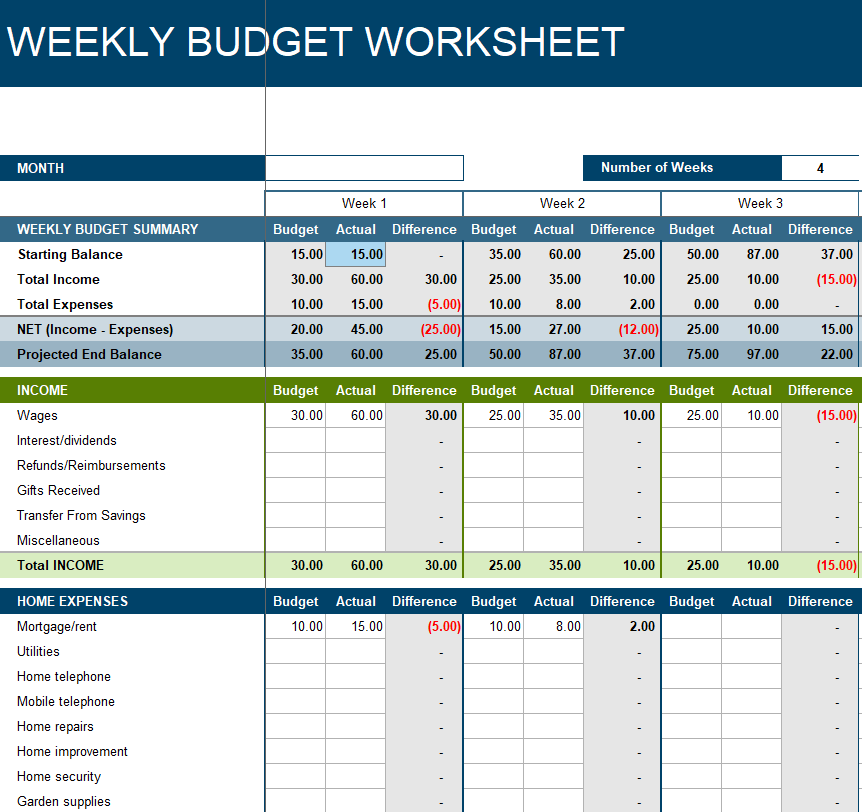
- Income Section: Students can list all sources of income, such as allowances, part-time jobs, or gifts.
- Expense Categories: The worksheet divides expenses into fixed (e.g., rent, subscriptions) and variable (e.g., entertainment, dining out), helping students understand the difference between essential and non-essential spending.
- Savings Goals: A dedicated space for students to set savings goals encourages them to think long-term about their financial health.
- Discretionary Spending: This section allows students to allocate funds for personal enjoyment, teaching them the importance of balancing needs with wants.
How to Use the Worksheet in Various Settings
In the Classroom
When using the Show Me A Budget Worksheet in a classroom setting, start by introducing the concept of budgeting through a discussion. Ask students about their spending habits and what they think budgeting means. Then, provide each student with a copy of the worksheet.
- Group Activity: Divide the class into small groups and have them work together to fill out the worksheet based on a hypothetical income scenario.
- Real-Life Application: Encourage students to think about their actual income (e.g., allowances) and expenses, allowing them to personalize the worksheet.
- Presentation: Have students present their budgets to the class, discussing their choices and what they learned about managing money.
At Home
For parents looking to instill budgeting skills at home, the Show Me A Budget Worksheet can be a valuable tool. Here’s how to incorporate it into family life:
- Family Budgeting Night: Set aside one evening a month to discuss the family budget. Use the worksheet to show how money is allocated across different needs and wants.
- Encourage Independence: Allow children to manage their allowance using the worksheet. This practice gives them a hands-on experience of budgeting.
- Savings Challenges: Use the savings section of the worksheet to set up fun savings challenges. For instance, challenge your child to save a specific amount for a desired toy or outing.
Tips for Effective Usage
Printing and Preparation
When preparing the Show Me A Budget Worksheet for your classroom or home use, consider the following tips:
- Paper Type: For worksheets that will be reused or handled frequently, print on cardstock. This material holds up better and can withstand multiple uses, especially if laminated.
- Print Settings: Use a portrait layout for most home printers. Ensure your margins are set correctly so that all content fits well on the page.
- Bulk Printing: If you’re using the worksheet for a full class, print in bulk, and consider using a color printer to make the sections visually distinct.
Reviewing and Grading
If you’re using the worksheet in an educational setting, it’s important to have a plan for reviewing completed worksheets:
- Peer Review: Allow students to exchange worksheets for peer feedback. This helps them learn from each other’s budgeting strategies.
- Class Discussion: Facilitate a discussion about common pitfalls in budgeting that students encountered while completing their worksheets.
- Answer Key: Prepare an answer key or a guide that outlines common budgeting strategies. This can help you grade the worksheets effectively and provide constructive feedback.
Making Budgeting Fun
Budgeting may not seem like the most exciting topic for students, but there are ways to make it engaging:
- Interactive Games: Introduce budgeting games that involve role-playing scenarios where students must make financial decisions based on the budget they create.
- Incentives: Consider offering small rewards for students who successfully stick to their budget for a month. This can be a fun way to motivate them to take budgeting seriously.
- Real-Life Examples: Share examples of real-life budgeting scenarios, such as planning for a school event or a family trip. This contextualizes the skills they are learning.