Managing a student budget can feel overwhelming, but the Save The Student Budget Spreadsheet simplifies this task significantly. This resource is designed to help students and teachers alike track expenses, manage income, and plan for future expenditures. In this guide, you’ll learn how to effectively use this spreadsheet, ensuring that it becomes a practical tool in your financial management efforts.
Understanding the Save The Student Budget Spreadsheet
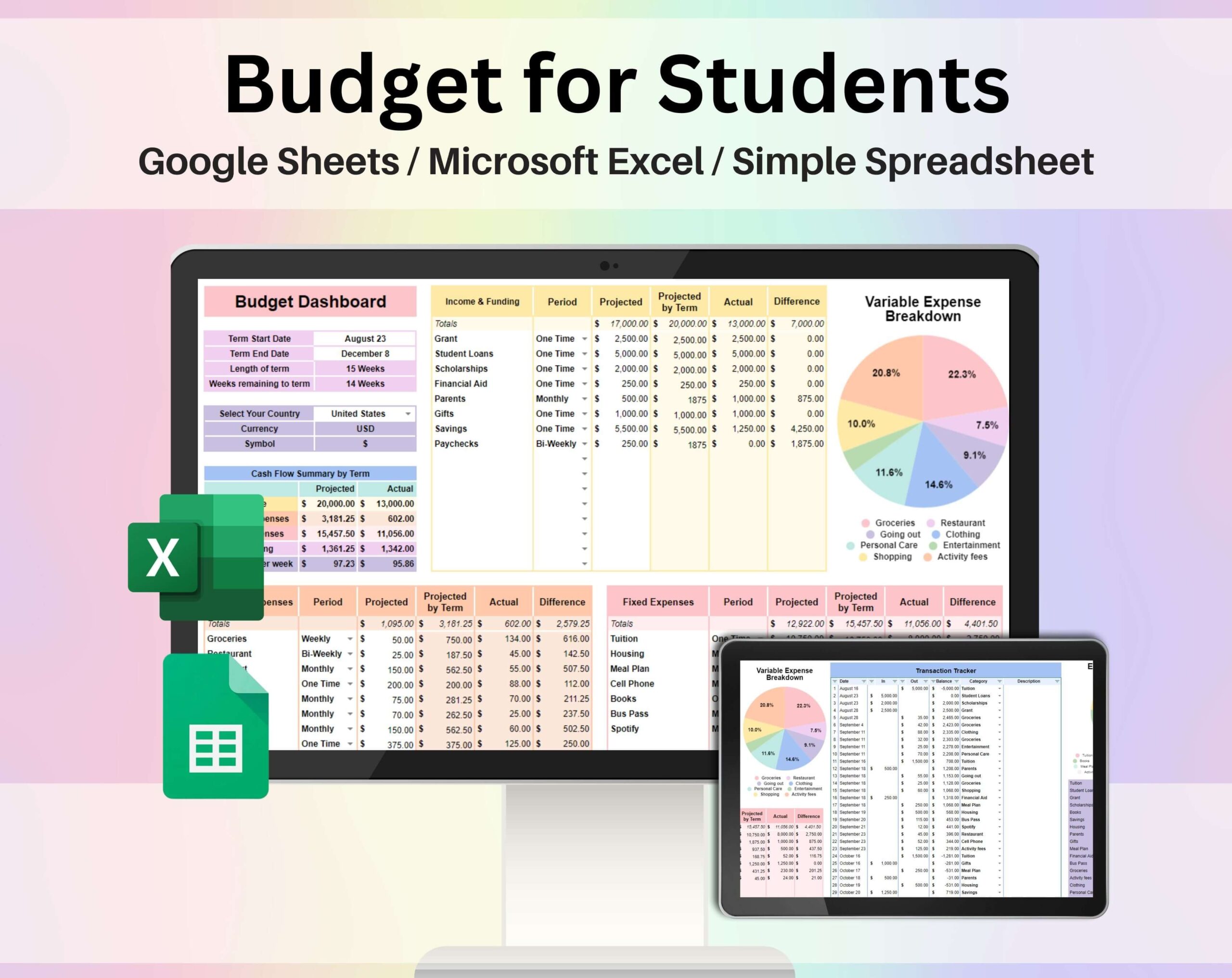
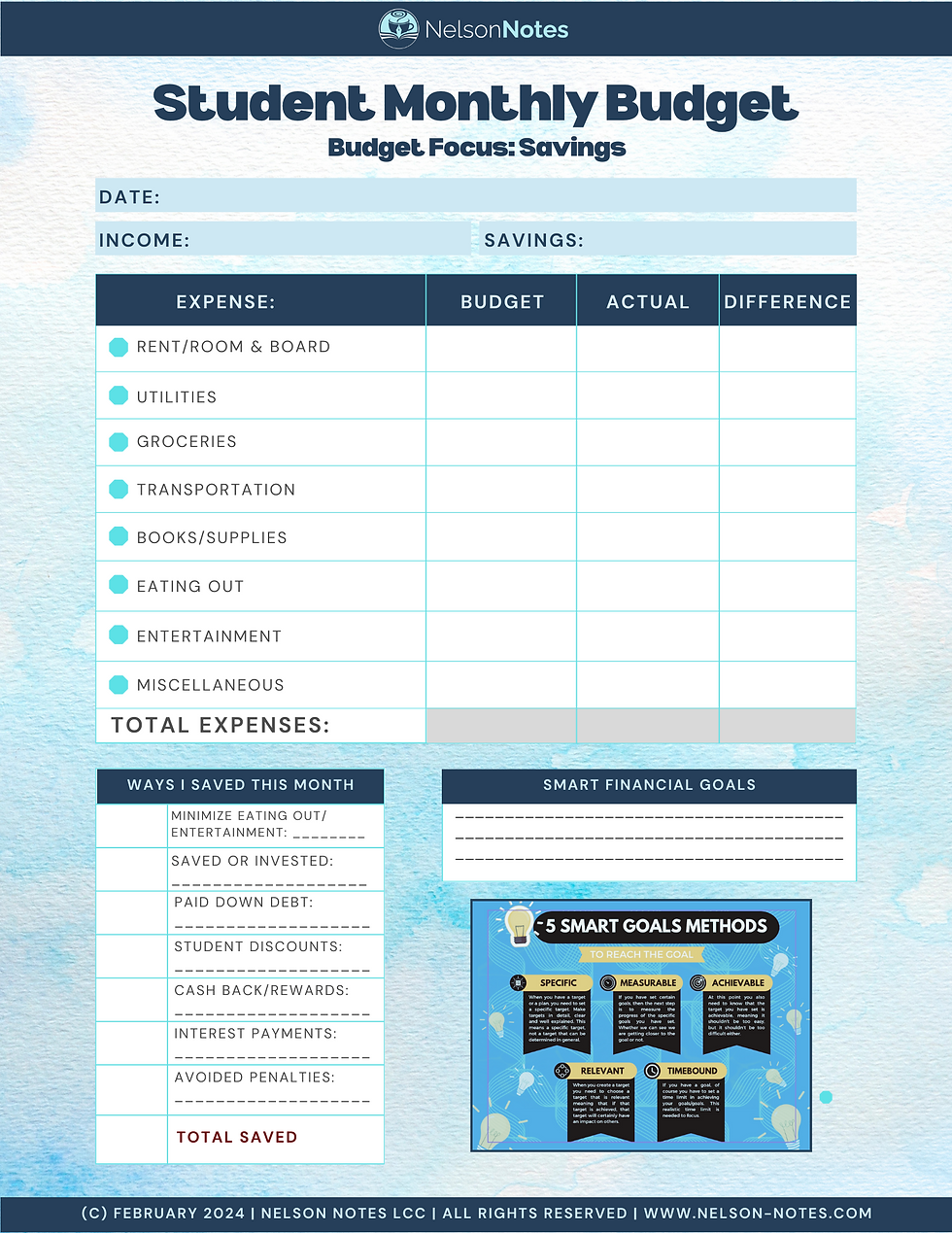
The Save The Student Budget Spreadsheet is an essential tool for anyone looking to gain control over their finances. It typically includes sections for recording income, expenses, savings goals, and more. Each category is designed to give users a comprehensive view of their financial health, making it easier to identify areas for improvement.
This spreadsheet is particularly useful for high school and college students who are managing their finances independently for the first time. It can be used in classroom settings to teach financial literacy or at home for personal budgeting.
How to Access and Download the Spreadsheet
Getting your hands on the Save The Student Budget Spreadsheet is straightforward. You can typically find it on educational resource websites or directly from Save The Student’s official page.
- Visit the website: Go to the designated platform where the spreadsheet is hosted.
- Locate the download link: Look for a clear button or link that indicates a download for the budget spreadsheet.
- Choose the format: Most resources will offer the spreadsheet in Excel or Google Sheets format. Choose one that best fits your needs.
- Download and save: Click the download button and save the file to your computer or cloud storage for easy access.
Setting Up Your Budget Spreadsheet
Once you have downloaded the Save The Student Budget Spreadsheet, it’s time to set it up for your needs. Here’s a practical approach to get you started:
- Open the Spreadsheet: Use Excel or Google Sheets to open the downloaded file.
- Input Your Income: Start by entering your monthly income. This may include allowances, part-time job salaries, or any other source of revenue.
- List Your Expenses: Categorize your expenses into fixed (rent, tuition) and variable (food, entertainment). This will help you see where your money is going each month.
- Set Savings Goals: Identify how much you would like to save each month. This could be for emergencies, travel, or educational expenses.
- Review and Adjust: After a month of using the spreadsheet, review your entries. Adjust your budget as necessary to better fit your financial situation.
Using the Budget Spreadsheet for Effective Financial Planning
The true value of the Save The Student Budget Spreadsheet lies in its ability to help you plan effectively. By regularly updating your entries, you can gain insights into your spending habits and identify areas where you can cut back. Here are some strategies to maximize its utility:
- Track Regularly: Make it a habit to input your expenses weekly. This will prevent any surprises at the end of the month.
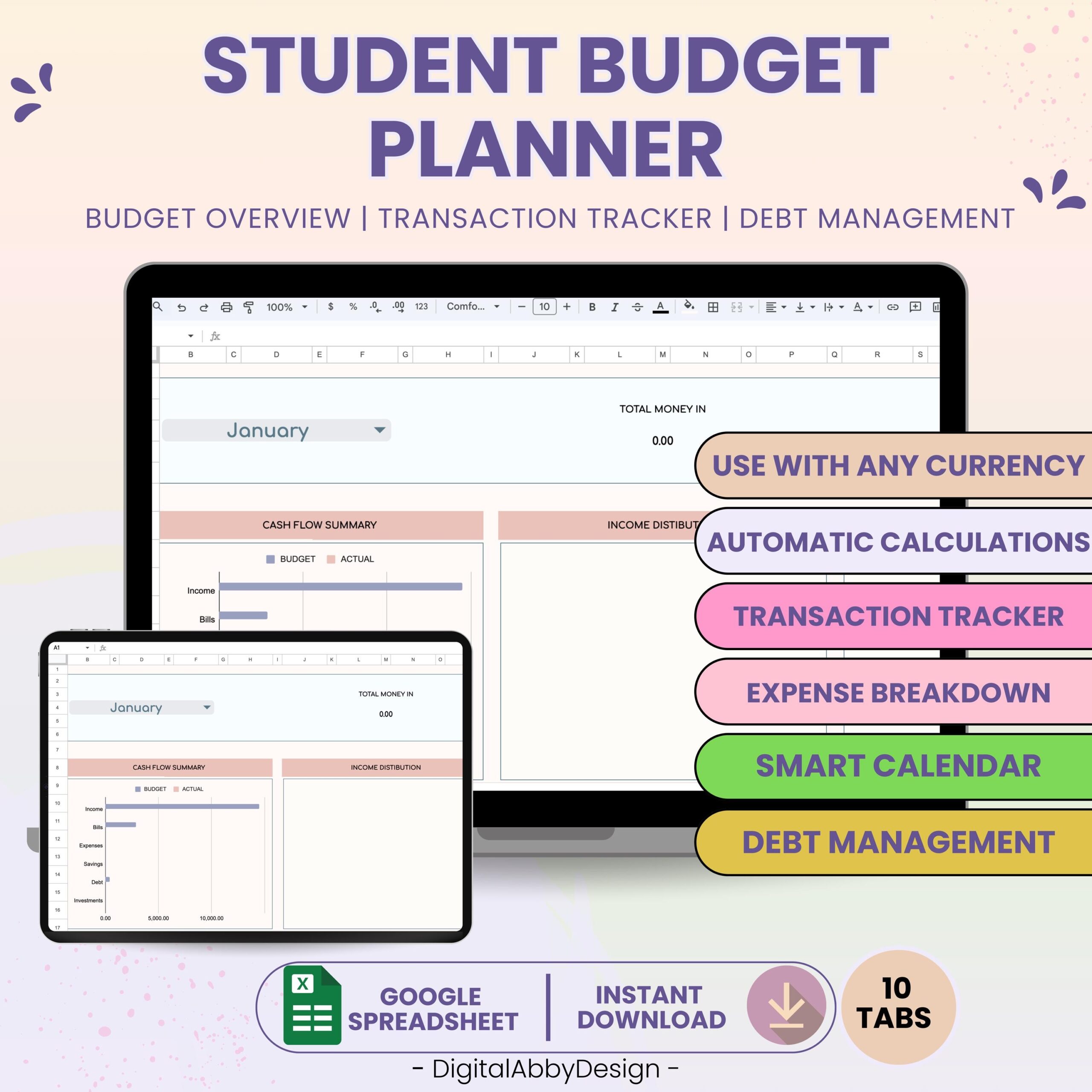
- Use Formulas: Familiarize yourself with basic formulas in Excel or Google Sheets to automate calculations for totals and balances. This can save time and reduce errors.
- Set Reminders: If you have recurring expenses, set reminders to ensure you don’t miss payments. This can help maintain a good credit score.
- Visualize Your Data: Consider creating graphs or charts to visualize your spending. This can make it easier to understand where your money is going.
Tips for Teachers Using the Budget Spreadsheet
As a teacher, you may want to incorporate the Save The Student Budget Spreadsheet into your curriculum. Here’s how you can do that effectively:
- Introduce Financial Literacy Concepts: Start with lessons on budgeting basics, explaining why budgeting is essential for students.
- Hands-On Activity: Provide students with a scenario-based exercise where they must create a budget using the spreadsheet. This practical application reinforces learning.
- Group Projects: Encourage students to work in groups to develop a budget for a mock project or event. This fosters collaboration and critical thinking.
- Feedback Sessions: Hold sessions where students can share their budgets and discuss challenges faced. This can lead to valuable peer learning.
Common Challenges and Solutions
While using the Save The Student Budget Spreadsheet, you may encounter some challenges. Here are common issues and how to overcome them:
- Overestimating Income: It’s easy to assume you will earn more than you actually do. Always base your budget on your actual income to avoid disappointment.
- Ignoring Small Expenses: Small purchases can add up quickly. Encourage yourself to track every expense, no matter how minor.
- Lack of Discipline: Sticking to a budget requires discipline. Consider setting up a reward system for yourself for achieving budget goals.
- Forgetting to Update: It can be easy to forget to update your budget. Set a specific day each week to review and input your data.