Creating a personal budget is an essential skill for students, especially as they begin to manage their finances independently. A well-designed personal budget plan example for students can serve as a practical tool, helping them understand their income, expenses, and saving goals. guide you through the elements of an effective budget plan, how to implement it in a classroom or home setting, and tips for maximizing its usefulness.
Understanding the Basics of a Personal Budget Plan
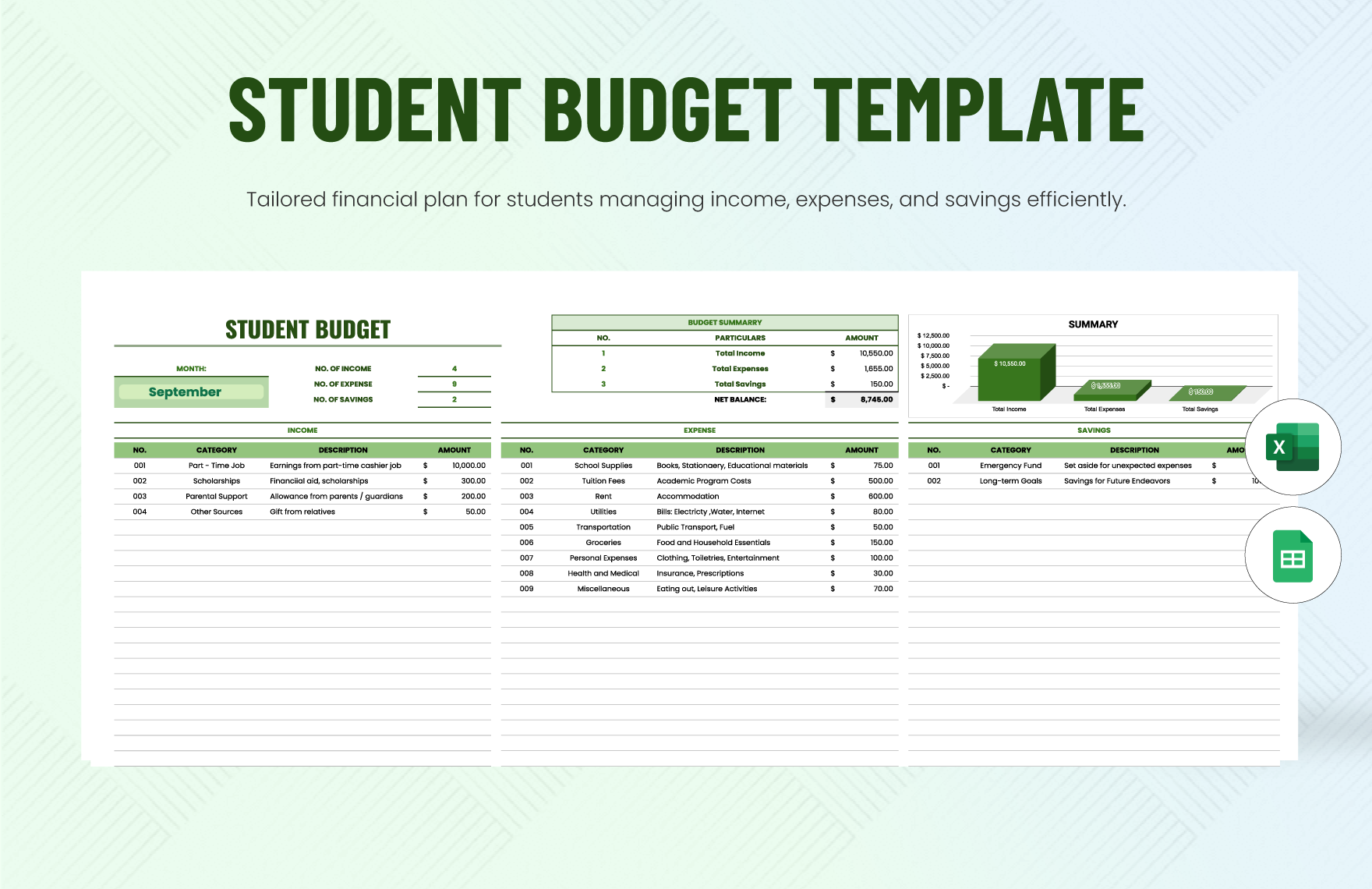
Before diving into the specifics of a personal budget plan example for students, it’s crucial to understand what a budget is. A budget is a financial plan that outlines expected income and expenses over a specific period. For students, this typically includes income from part-time jobs, allowances, or financial aid, alongside various expenses such as food, transportation, school supplies, and entertainment.
Key Components of a Personal Budget Plan
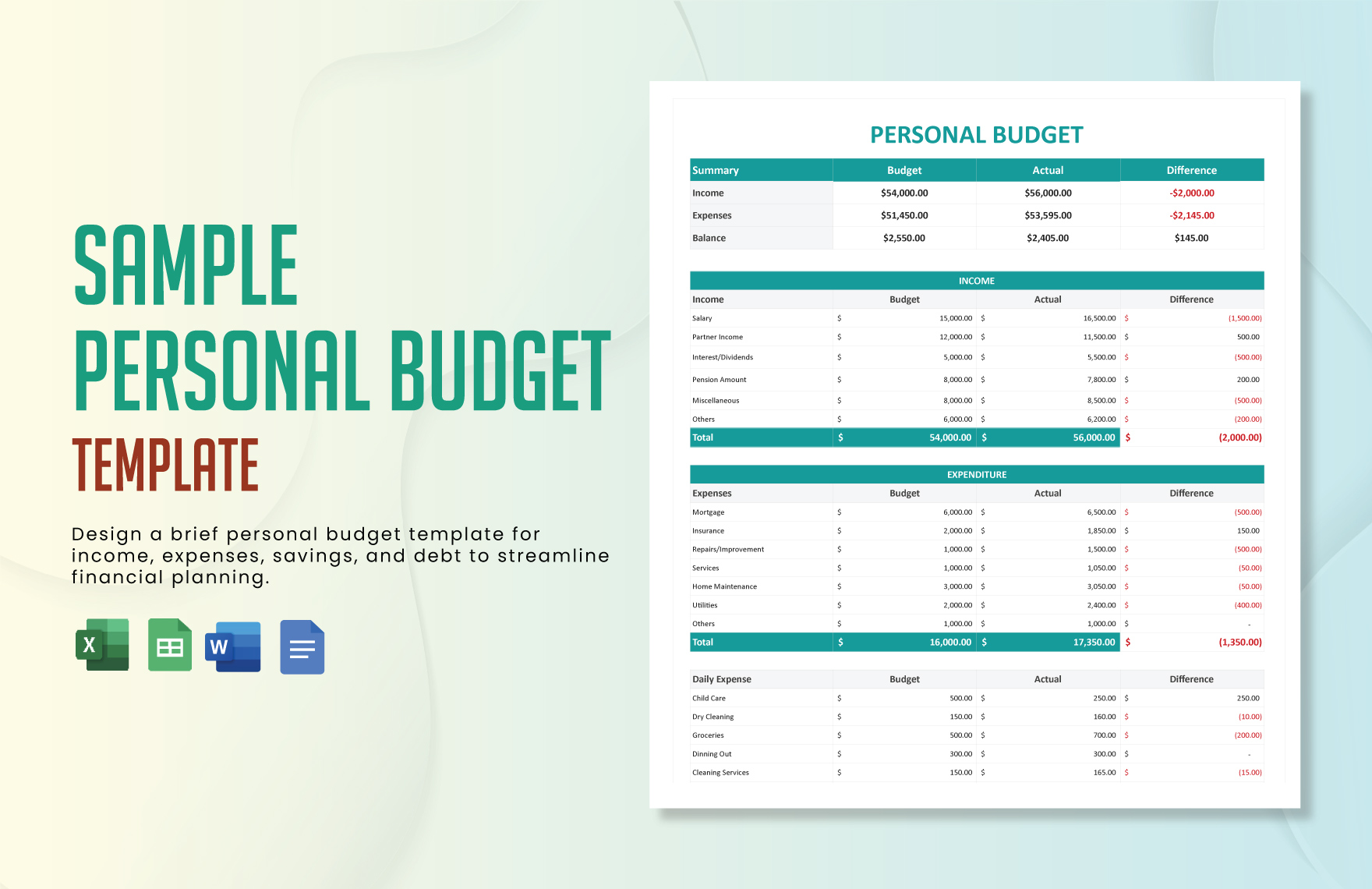
- Income: Start by listing all sources of income. This could be from part-time jobs, internships, or allowances from parents.
- Fixed Expenses: These are costs that remain constant each month, such as rent, tuition, or subscription services.
- Variable Expenses: These expenses fluctuate and can include groceries, entertainment, and personal care items.
- Savings Goals: Encourage students to set aside a portion of their income for savings, whether for emergencies, future expenses, or personal goals.
By identifying these components, students can create a clearer picture of their financial situation.
How to Create a Personal Budget Plan
Creating a personal budget plan can be straightforward. Here’s a step-by-step guide to help students build their budgets effectively.
Step 1: Gather Financial Information
Students should start by collecting all financial documents, including pay stubs, bank statements, and any bills. This information will provide a foundation for their budget.
Step 2: Identify Income Sources
Next, list all sources of income. For students, this may include:
- Part-time job earnings
- Allowances from family
- Scholarships or grants
Step 3: List Monthly Expenses
Identify both fixed and variable expenses. A sample list might include:
- Rent or housing costs
- Utilities (electricity, water, internet)
- Groceries
- Transportation (bus fare, fuel)
- Entertainment (movies, dining out)
- School supplies
Step 4: Set Savings Goals
Encourage students to allocate a specific percentage of their income toward savings. This can help them build a financial cushion for unexpected expenses or future purchases.
Step 5: Create the Budget
Using the information gathered, students can create a budget. This can be done using a simple spreadsheet, a budgeting app, or a printable budget template. A budget template can be especially useful for students, as it provides a structured format to follow.
Utilizing a Personal Budget Plan Example for Students
A personal budget plan example for students can be a valuable reference point. When using a template, students should ensure it includes sections for all necessary components—income, fixed expenses, variable expenses, and savings goals.
Downloadable Resources
You can find a variety of budget templates available for download. Look for templates that are:
- Easy to use: Choose a format that is user-friendly, whether digital or printable.
- Customizable: The best templates allow users to adjust categories according to their specific needs.
- Visually engaging: A colorful, well-designed template can make budgeting feel less daunting.
Printable Budget Templates
A printable budget template is ideal for students who prefer to work on paper. Printouts can be kept in a binder or on a wall to serve as a constant reminder of their financial goals.
Tracking Progress and Adjusting the Budget
Once the personal budget is in place, it’s essential to track progress regularly. Encourage students to review their budgets weekly or monthly to see how well they are sticking to their plans.
Tools for Tracking
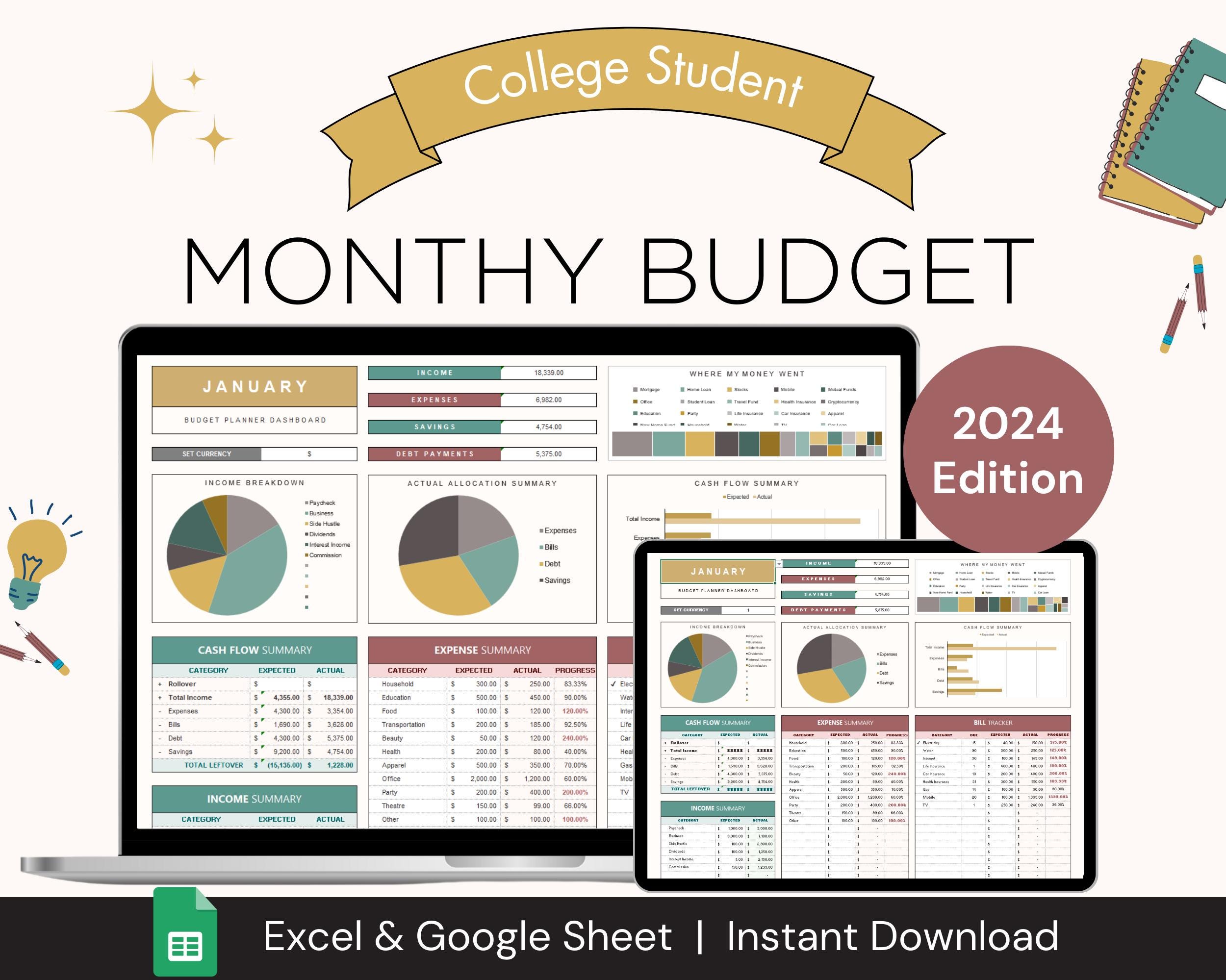
- Spreadsheets: Tools like Google Sheets or Excel can be beneficial for tracking expenses and income. They allow for easy calculations and adjustments.
- Budgeting Apps: There are several apps designed for personal finance management that can help students track their spending and adjust their budgets in real-time.
- Journals: Some students may prefer keeping a financial journal where they manually record their transactions and reflect on their spending habits.
Making Adjustments
Students should be encouraged to adjust their budgets as needed. If they find they are spending more in certain areas than anticipated, they may need to reduce expenses or find ways to increase their income.
The Importance of Repetition in Budgeting Skills
It’s beneficial for students to practice budgeting regularly, rather than just once. Repetition reinforces the concepts and helps solidify budgeting as a lifelong habit. Here are a few ways to integrate budgeting into regular routines:
- Weekly Reviews: Set aside time each week to review spending and income. This can help identify patterns and areas for improvement.
- Monthly Goals: Each month, set specific financial goals, such as saving a certain amount or reducing spending in a particular category.
- Collaborative Budgeting: Encourage students to work with peers or family members on budgeting exercises. This collaboration can provide additional insights and motivation.