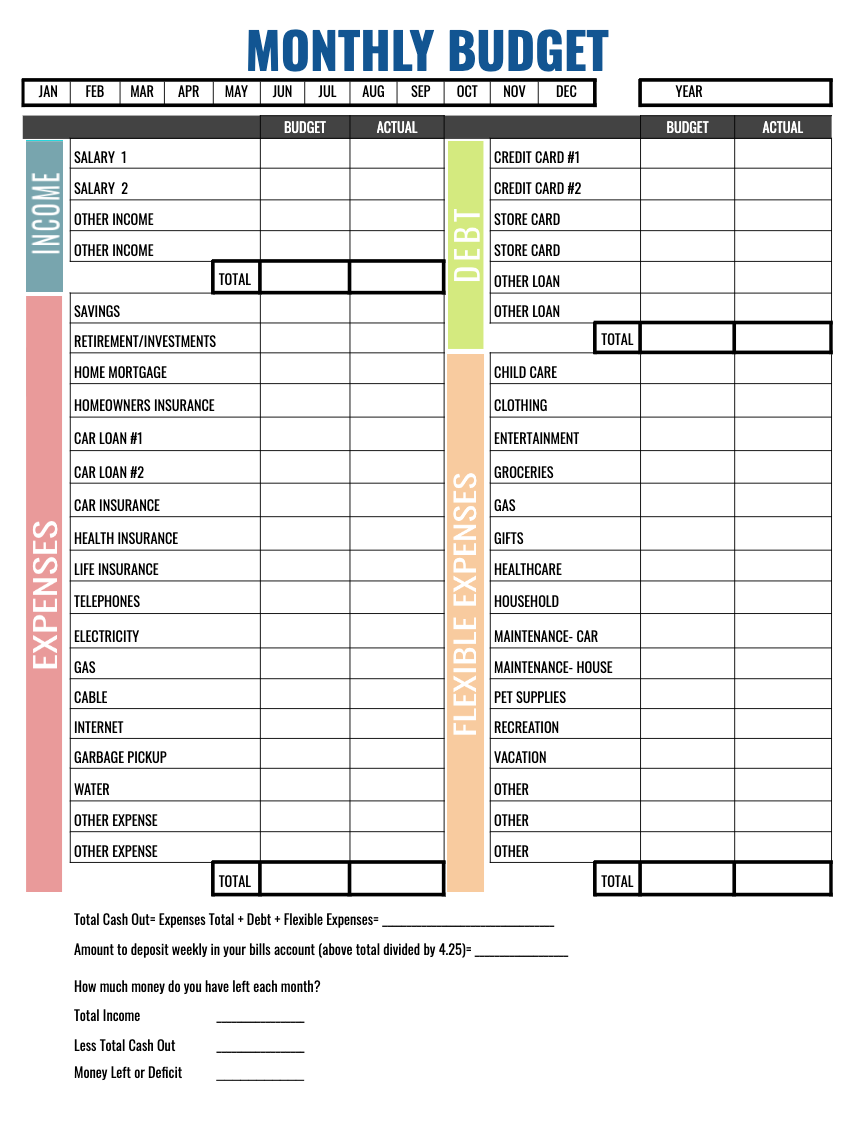
Managing finances can be a daunting task, especially for teachers who often juggle limited budgets. Having a clear plan is essential to ensure that both personal and classroom expenses are covered. That’s where a Monthly Budget Worksheet Free Download comes in handy. This resource allows you to track your income and expenses systematically, making budgeting less overwhelming and more manageable.
Understanding the Importance of Budgeting
Budgeting is not merely about tracking money; it’s about making informed financial decisions. For teachers, creating a budget can help allocate funds for classroom supplies, personal expenses, and even planning for future educational needs. By utilizing a Monthly Budget Worksheet, you can visualize where your money is going and identify areas for savings.
Why Use a Monthly Budget Worksheet?
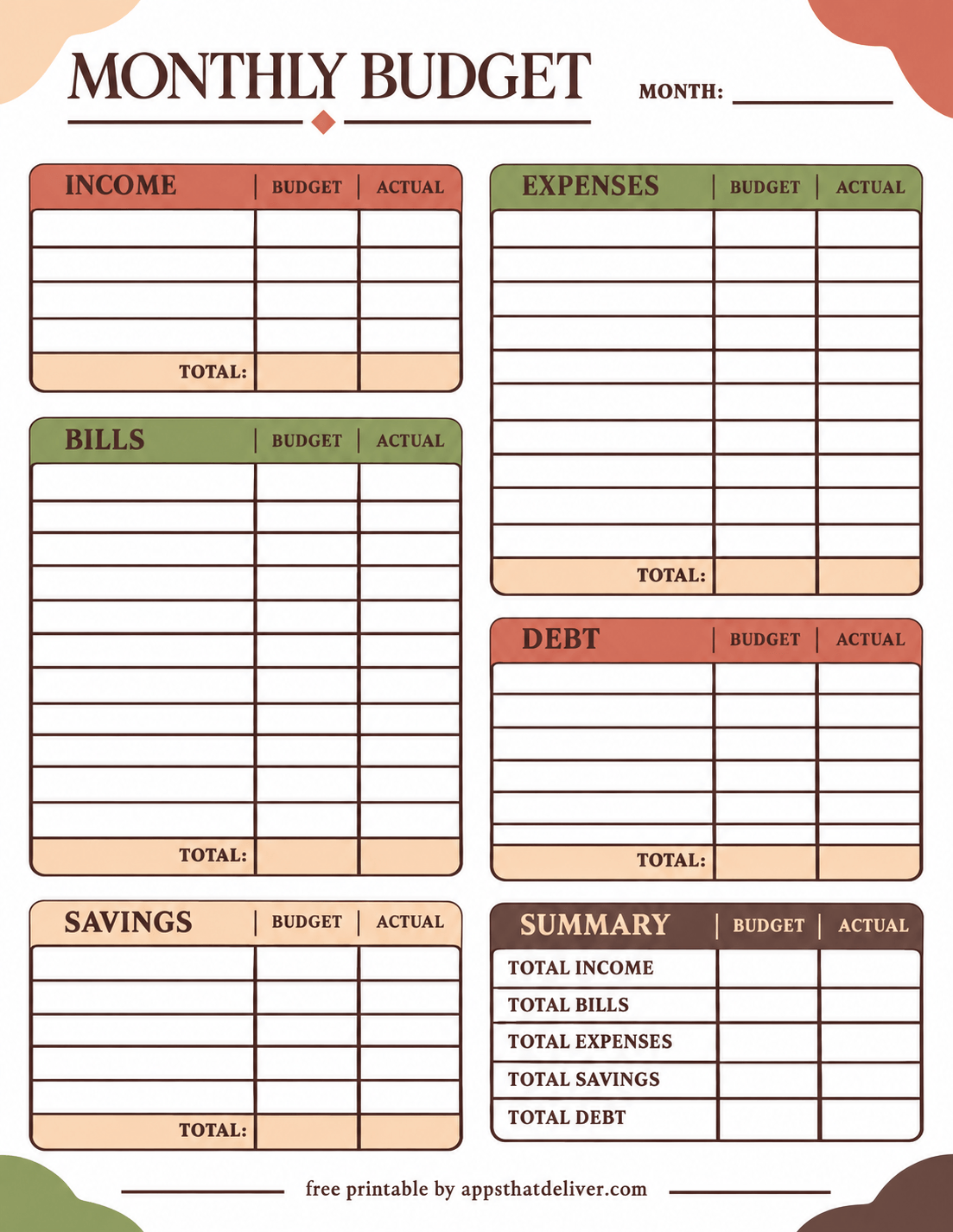
A Monthly Budget Worksheet provides several benefits:
- Clarity: It helps you see your financial situation clearly.
- Tracking: You can monitor your spending habits over time.
- Planning: It allows you to plan for upcoming expenses, such as field trips or classroom activities.
By using this worksheet, you can also set financial goals, whether that’s saving for a special project or reducing unnecessary expenditures.
How to Download Your Monthly Budget Worksheet
Getting started is easy. Follow these steps to access your Monthly Budget Worksheet Free Download:
- Visit the Resource Website: Go to the printable-resource website where the worksheet is hosted.
- Search for the Worksheet: Use the search bar to find the “Monthly Budget Worksheet Free Download.”
- Click to Download: Once you find it, click the download button. Ensure you have a PDF reader installed, as the worksheet is typically provided in this format.
- Save the File: Choose a location on your device where you can easily access the file later.
Setting Up Your Monthly Budget Worksheet
Once you’ve downloaded the worksheet, it’s time to set it up for your needs. Here’s a step-by-step guide:
1. Gather Your Financial Information
Before filling out your worksheet, collect all relevant financial documents. This includes:
- Pay stubs or income statements
- Bank statements
- Bills and invoices
Having this information at your fingertips will make it easier to fill out your worksheet accurately.
2. Fill in Your Income
Start by listing all sources of income on the worksheet. This may include:
- Salary (after taxes)
- Side jobs or tutoring income
- Any additional sources of income
Make sure you’re using monthly figures for consistency.
3. List Your Expenses
Next, categorize your expenses. Common categories for teachers might include:
- Classroom Supplies
- Personal Expenses (groceries, utilities)
- Professional Development
- Savings
Be as detailed as possible. This helps in identifying areas where you can cut back.
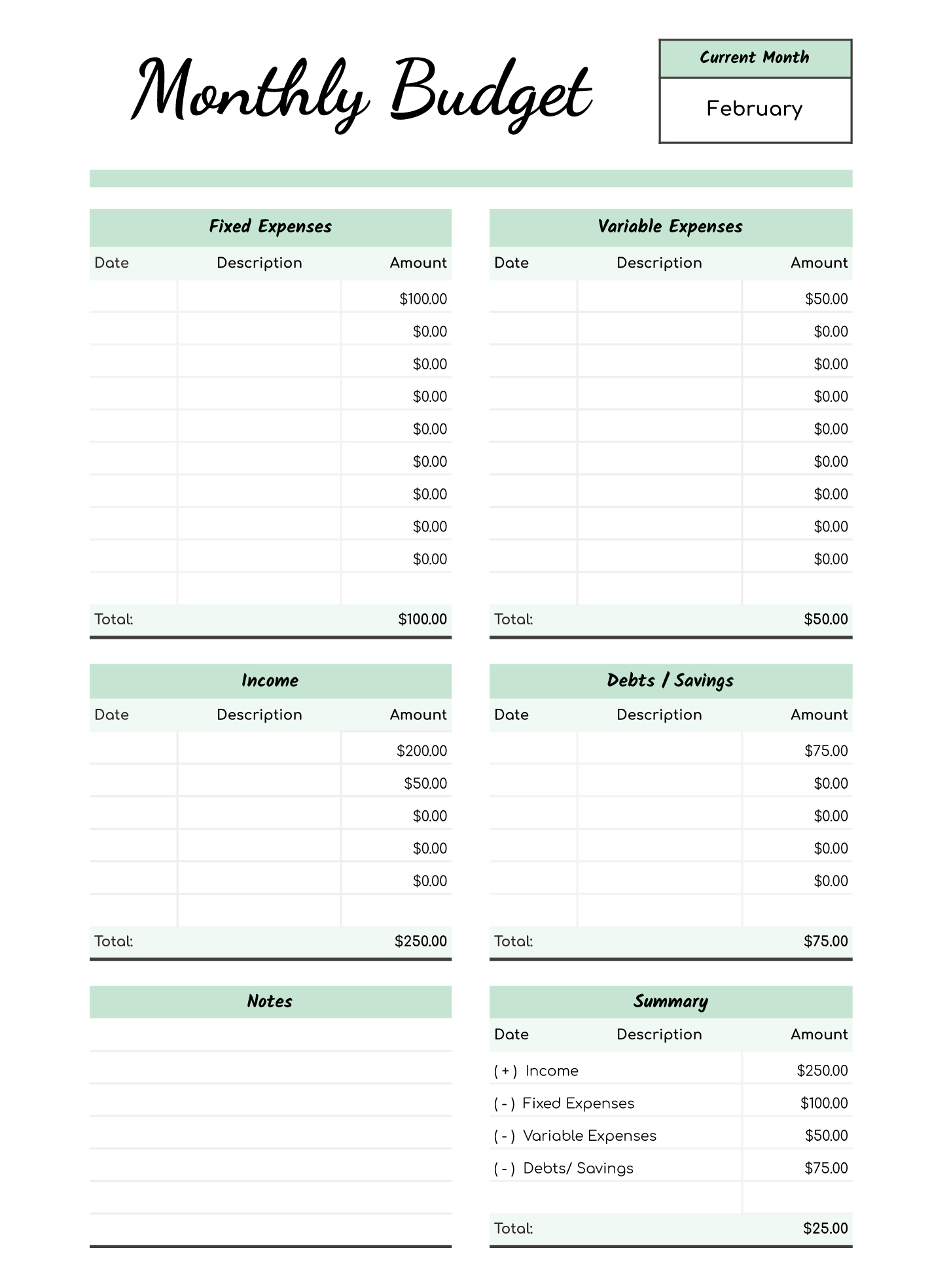
4. Calculate the Difference
After filling in your income and expenses, calculate the difference. This is your net income. If your expenses exceed your income, it’s time to revisit your spending habits and make necessary adjustments.
Tips for Effective Budgeting
Using a Monthly Budget Worksheet is just the first step. Here are some tips to help you make the most of it:
- Review Regularly: Make it a habit to review your budget at the end of each month. This will help you adjust for any unexpected expenses.
- Set Realistic Goals: Don’t aim for perfection. Set achievable financial goals that motivate you to stick to your budget.
- Track Discretionary Spending: Pay attention to non-essential expenses, like dining out or entertainment. These areas can often be adjusted to save money.
Adjusting Your Budget as Needed
Life is unpredictable, and your budget should be flexible enough to accommodate changes. If you encounter unexpected expenses, revisit your worksheet. Adjust categories as needed and keep your financial goals in mind.
Using the Worksheet for Classroom Budgets
If you’re using the Monthly Budget Worksheet for classroom purposes, consider the following:
- Include Fundraising Income: If you have funds coming in from fundraising activities, make sure to include those.
- Track Specific Projects: Use the worksheet to monitor expenses related to specific classroom projects or events. This can help you stay within budget and avoid overspending.