Creating a Month To Month Budget Worksheet is an essential step for anyone looking to take control of their finances. This practical tool not only helps you track your income and expenses but also allows you to identify areas where you can cut back and save. By setting up a clear budget, you can plan effectively for both expected and unexpected expenses, making your financial life more manageable.
Understanding the Layout of the Worksheet
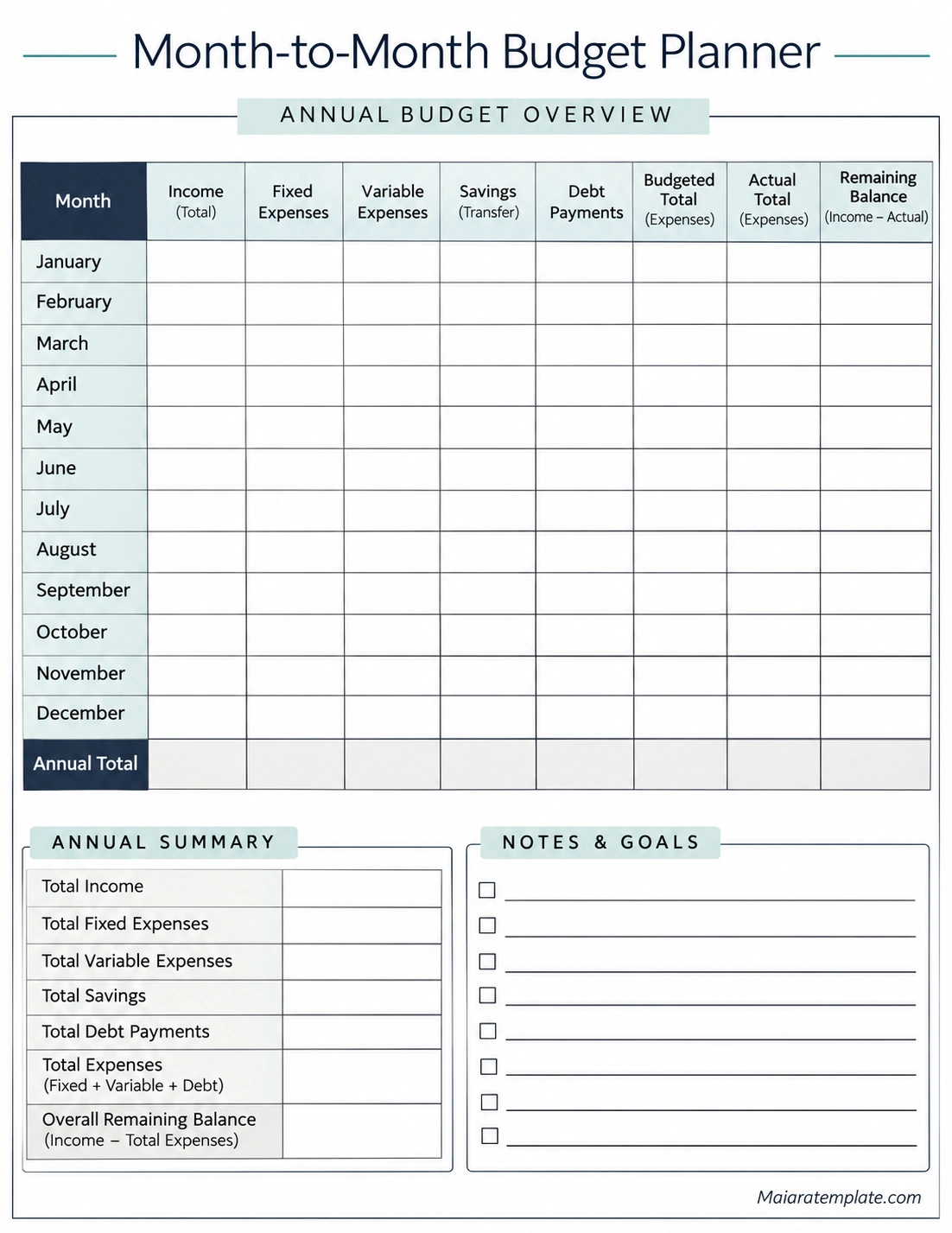
A well-designed Month To Month Budget Worksheet typically features multiple sections that cater to different financial aspects. When you first look at the worksheet, you’ll notice the following key sections:
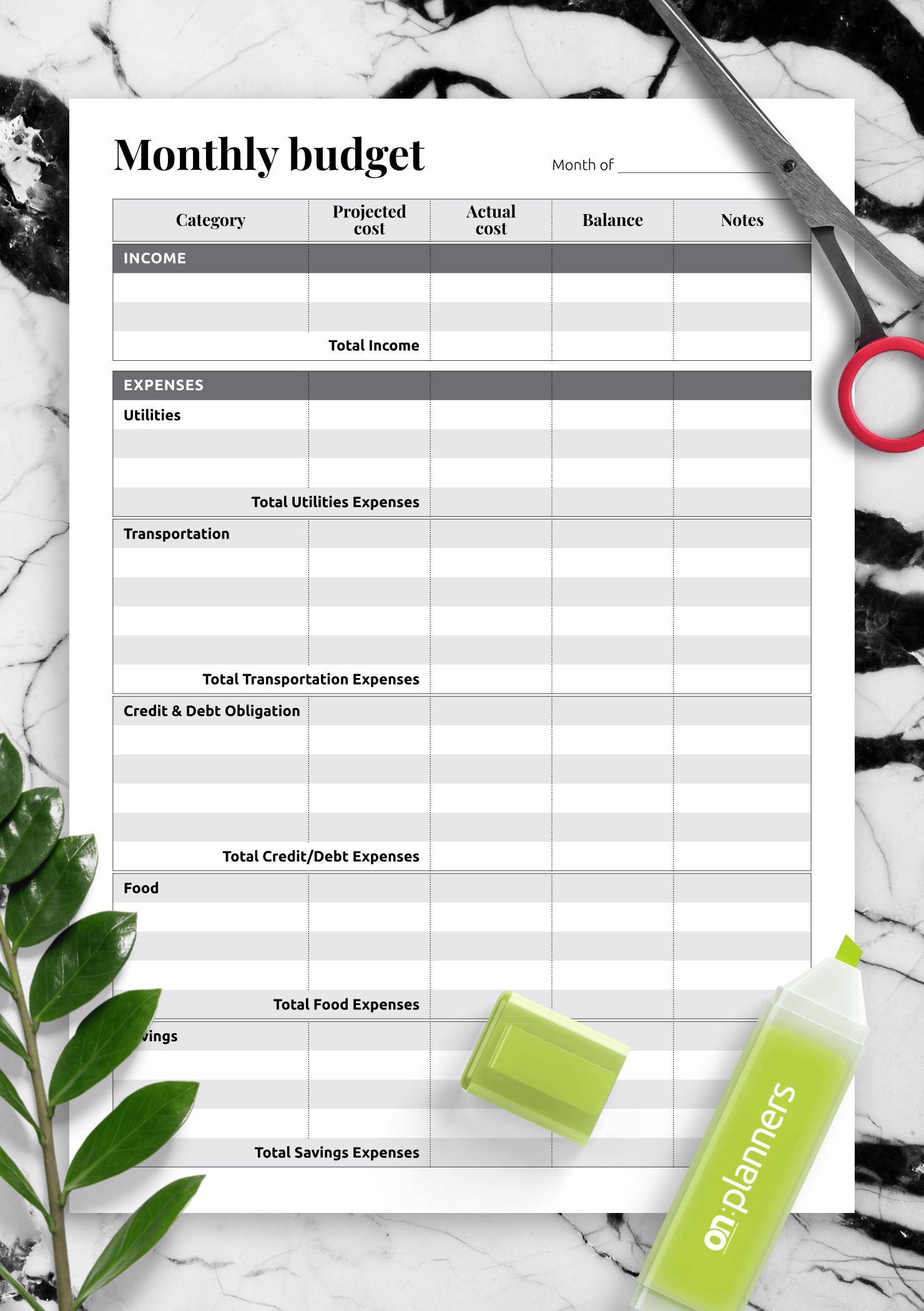
- Income Section: This is where you list all your sources of income for the month. Common entries might include salary, freelance work, or rental income. It’s important to be thorough and realistic here.
- Fixed Expenses: These are your regular monthly bills that don’t change much, such as rent or mortgage payments, utility bills, and insurance premiums. Make sure you list these accurately to get a true picture of your financial obligations.
- Variable Expenses: Unlike fixed expenses, these can fluctuate each month. This section might include groceries, dining out, entertainment, and other discretionary spending. Tracking these can help you identify opportunities to save.
- Savings Goals: Setting aside money for savings is crucial. This section allows you to allocate funds toward your savings goals, whether it’s for an emergency fund, vacation, or retirement.
- Summary Section: At the end of the worksheet, you typically find a summary where you can see your total income, total expenses, and net balance for the month. This overview is vital for understanding your financial health at a glance.
How to Fill Out Your Month To Month Budget Worksheet
Filling out your Month To Month Budget Worksheet is a straightforward process, but it requires attention to detail and honesty about your finances. Here’s a step-by-step guide to help you get started:
Step 1: Gather Your Financial Documents
Before you even start filling out the worksheet, gather all necessary documents. This includes pay stubs, bank statements, bills, and any other records of income and expenses. Having everything in one place will make the process smoother.
Step 2: List Your Income
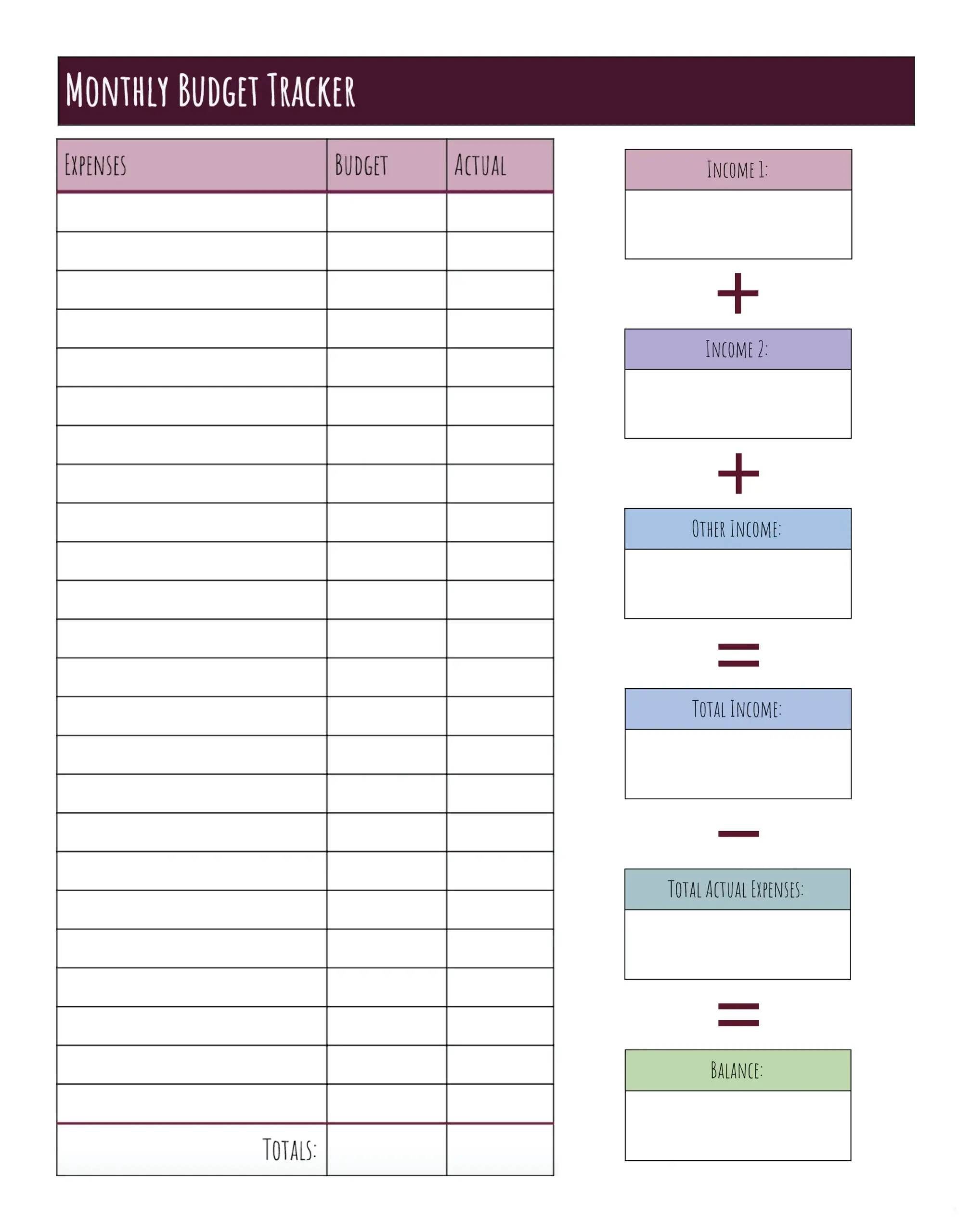
Begin by entering your total monthly income in the designated section. Be sure to include all sources, and if your income varies, use an average based on the past few months. This gives you a reliable figure to work from.
Step 3: Identify Fixed Expenses
Next, list out your fixed expenses. Use your recent bills as a reference. If you’re unsure about some amounts, look back over the last few months to get a sense of what you typically pay. It’s essential to be as accurate as possible to avoid budgeting pitfalls.
Step 4: Estimate Variable Expenses
For variable expenses, think about your spending habits. It can be helpful to review past bank statements or receipts to determine what you usually spend in categories like groceries and entertainment. Be realistic; if you often eat out, don’t underestimate that cost.
Step 5: Set Savings Goals
Decide how much you want to save each month. This can be a fixed amount or a percentage of your income. Allocate this in the savings goals section to ensure you’re prioritizing saving as part of your budget.
Step 6: Calculate Your Net Balance
Once you’ve filled out all sections, calculate your total income, total expenses, and then subtract your total expenses from your total income. This net balance will indicate whether you’re on track, need to adjust your spending, or can afford to save more.
Making Adjustments and Staying on Track
Your Month To Month Budget Worksheet is not just a one-time task. It’s a living document that should evolve with your financial situation. Here are some tips to keep your budget relevant:
- Review Monthly: At the end of each month, take time to review your budget. Compare your actual spending to what you budgeted. This will help you understand where you went off track and where you might need to adjust your estimates.
- Adjust for Changes: Life changes, and so will your financial situation. If you get a raise, change jobs, or face unexpected expenses, update your worksheet accordingly. Flexibility is key to effective budgeting.
- Set Reminders: If you struggle to remember to update your worksheet, set a reminder on your phone or calendar. This could be a monthly check-in to review your finances and update your budget.
- Use Technology: While a printable worksheet is great, consider using budgeting apps or software to help you track your expenses in real-time. These tools can complement your Month To Month Budget Worksheet and make tracking easier.
Benefits of Using a Month To Month Budget Worksheet
Using a Month To Month Budget Worksheet offers numerous benefits beyond just tracking your finances. Here are some key advantages:
- Increased Awareness: By clearly seeing where your money goes each month, you become more aware of your spending habits. This can lead to more mindful spending choices.
- Goal Achievement: With defined savings goals, you are more likely to stick to your budget and achieve those goals. Whether you’re saving for a vacation or a new car, having a plan makes it more attainable.
- Reduced Stress: Knowing exactly where your finances stand can alleviate financial stress. A clear budget helps to eliminate uncertainty about whether you can afford certain expenses.
- Better Financial Decisions: Regularly reviewing your budget helps you make informed decisions about spending, saving, and investing. You’ll be better equipped to prioritize your financial goals.
The Month To Month Budget Worksheet is a powerful tool that can significantly enhance your financial management. By understanding its layout, filling it out thoughtfully, and making it a part of your regular routine, you can gain greater control over your finances and work towards your goals more effectively. Remember, consistency is key, and the more you engage with your budget, the better your financial outcomes will be.