Keeping track of finances can be a daunting task, especially for teachers managing classroom budgets or parents navigating household expenses. You may find yourself thinking, “I Need A Budget Sheet” to help streamline your financial planning. This guide will walk you through the steps to effectively use a budget sheet that aids in planning, organizing, and tracking your finances, whether in the classroom or at home.
Understanding the Purpose of a Budget Sheet
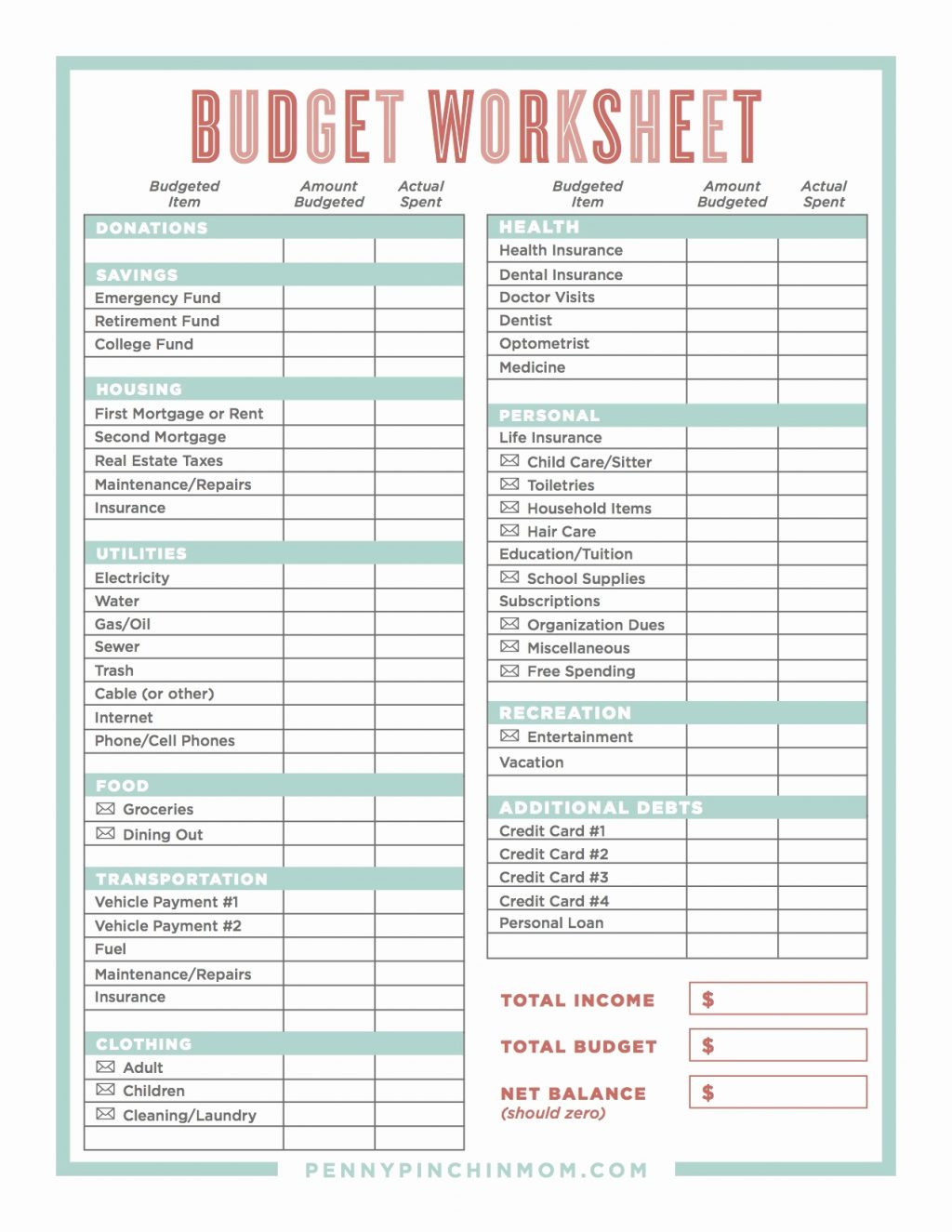
A budget sheet is designed to help you track income and expenses. This resource is essential for anyone looking to gain control over their finances. For teachers, it can be particularly valuable in managing classroom funds, planning for field trips, or organizing supplies. Parents can also benefit from a budget sheet by monitoring household expenses and savings goals.
By using a budget sheet, you can visualize your financial situation. This clarity helps you make informed decisions about where to cut costs or where to allocate more funds. In essence, a budget sheet is a practical tool that can transform your financial management from chaos to order.
Choosing the Right Budget Sheet Template
When you decide, “I Need A Budget Sheet,” the first step is selecting the right template. There are various formats available, including:
- Monthly budget sheets
- Annual budget planners
- Expense trackers
- Income trackers
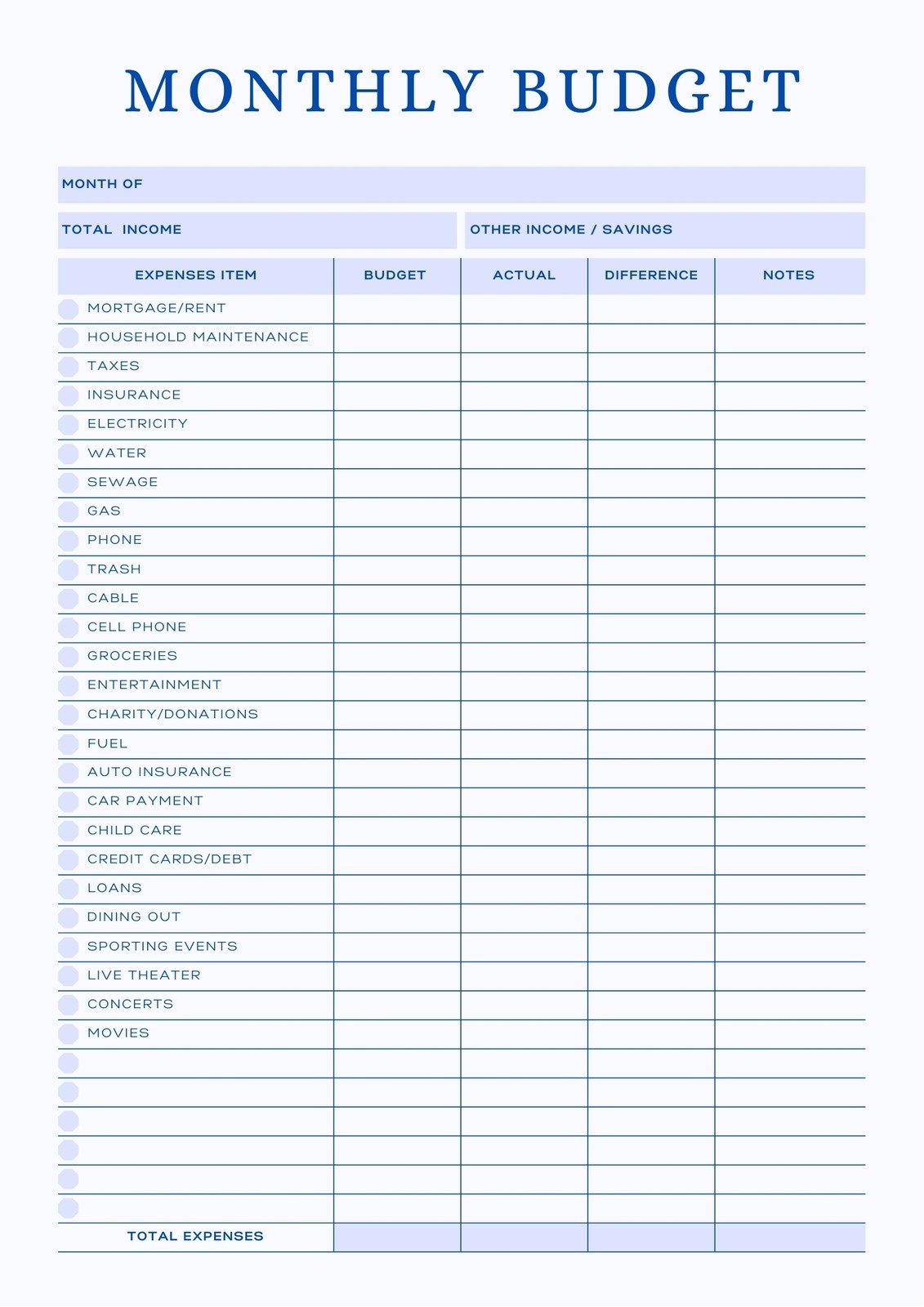
Each template serves a different purpose. For instance, a monthly budget sheet is perfect for tracking recurring expenses, while an annual planner helps you set long-term financial goals.
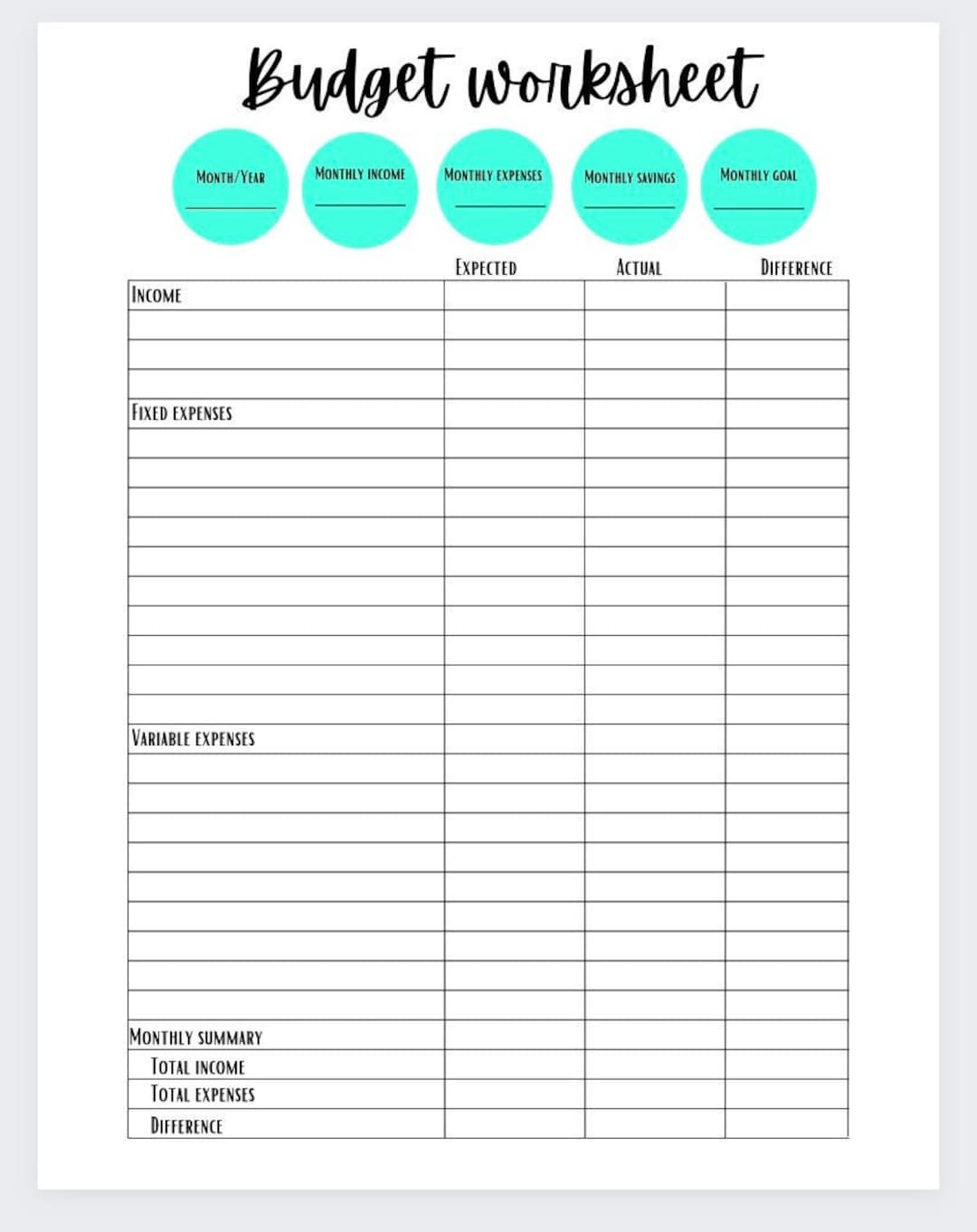
Look for templates that suit your specific needs. Many printable resources offer customizable options that allow you to adjust categories based on your unique circumstances. Ensure that the template you choose includes sections for income, fixed expenses, variable expenses, and savings.
Downloading and Printing Your Budget Sheet
Once you’ve selected a budget sheet template, the next step is downloading and printing it. Most budget sheets are available in PDF format, which is ideal for maintaining formatting across different devices. Here’s how to proceed:
- Download the template: Click on the download link for the budget sheet you’ve chosen. Ensure you have a PDF reader installed if the file is in this format.
- Print settings: Adjust your print settings for best results. For example, use portrait layout for most budget sheets, and consider using cardstock if you plan to laminate the sheet for repeated use.
- Paper size: Standard letter size (8.5 x 11 inches) is common, but check the template specifications for any size variations.
Make sure to print a few copies, as you may want to track multiple months or different areas of your budget simultaneously.
Setting Up Your Budget Sheet
Now that you have your budget sheet printed, it’s time to set it up. Here’s a step-by-step guide:
- Fill in your income: Start by entering all sources of income. This could include your salary, any side jobs, or allowances for classroom expenses.
- List fixed expenses: Include any regular payments like rent, utilities, and subscriptions. These are costs you can predict.
- Add variable expenses: This includes groceries, gas, and any discretionary spending. Be realistic about these figures to avoid overestimating your budget.
- Set savings goals: Decide how much you want to save each month. This could be for an emergency fund, a special project, or classroom supplies.
- Calculate totals: At the end of your budget sheet, sum up your income and expenses. This will help you see if you’re within your budget or if adjustments need to be made.
The setup process is crucial, as a well-organized budget sheet provides a clear snapshot of your financial health.
Regularly Reviewing Your Budget Sheet
Creating a budget sheet is only the first step. To truly benefit from this resource, you need to review it regularly. Here’s how to maintain effective oversight:
- Weekly check-ins: Set aside time each week to update your budget sheet with any new expenses or income. This keeps your information current and relevant.
- Monthly evaluations: At the end of each month, review your spending against your budget. Are you staying within limits? Where did you overspend?
- Adjust as necessary: If you find that certain categories consistently exceed your budget, adjust your spending or revise your budget to reflect your actual habits.
- Celebrate your successes: If you managed to stay within budget or reached a savings goal, take the time to acknowledge it. This positive reinforcement can motivate you to stick with your budgeting efforts.
Regular reviews ensure that your budget sheet remains a useful tool rather than a forgotten document.
Tips for Mastering Your Budget Management
Here are some additional tips to help you master the use of your budget sheet:
- Be realistic: Set achievable goals and be honest about your spending habits. This will make it easier to stick to your budget.
- Use digital tools: If you prefer a digital approach, consider using spreadsheet software or budgeting apps. They often have built-in formulas that can automatically calculate totals for you.
- Involve family or students: If you’re a teacher, consider involving your students in budgeting exercises. This can be a valuable lesson in financial literacy and responsibility.
- Keep it visible: Place your budget sheet somewhere you can see it daily. This constant reminder can help keep you accountable.
Ultimately, the key to successful budgeting is consistency and honesty. With a well-structured budget sheet and a commitment to regular updates, you can take charge of your finances.
Start using your budget sheet today to gain control over your financial future. Take that first step by downloading a template that suits your needs, and watch how it transforms your financial management.