Reading a budget sheet can seem overwhelming, but it doesn’t have to be. Understanding how to read a budget sheet is essential for managing finances effectively, whether you’re a teacher planning classroom expenditures or a parent managing household expenses. This guide will break down the components of a budget sheet and provide practical steps to make the most of this valuable resource.
Understanding the Components of a Budget Sheet
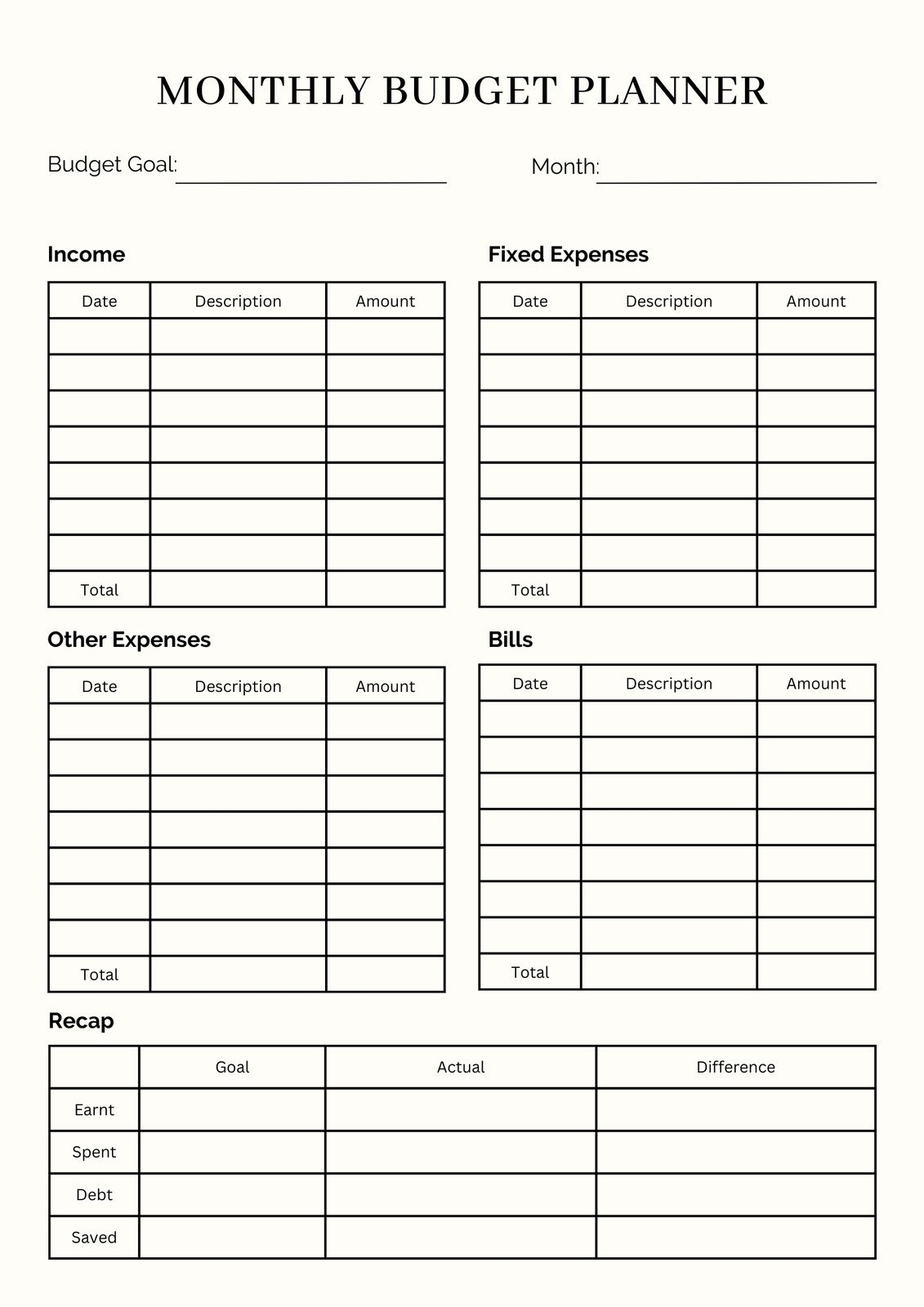
A budget sheet typically consists of several key components that help you track income, expenses, and savings. Familiarizing yourself with these elements is the first step in mastering your budget.
- Income Section: This area lists all sources of income, including salaries, bonuses, and any other earnings. It’s crucial to have a clear picture of how much money is coming in each month.
- Expenses Section: This portion breaks down all your monthly expenses into categories such as fixed expenses (rent, utilities) and variable expenses (groceries, entertainment). Understanding these categories helps in identifying areas where you can cut back if necessary.
- Savings and Investments: This section outlines your savings goals and any investments you may have. Tracking this allows you to see how much you’re putting away for future needs.
- Net Income: At the bottom of the budget sheet, you’ll find a calculation of your net income, which is your total income minus total expenses. This is a crucial figure as it shows you how much money you have left over or if you’re operating at a deficit.
- Notes Section: Many budget sheets include a space for notes. This is where you can jot down reminders, upcoming expenses, or anything else relevant to your financial planning.
How To Read Each Section Effectively
Now that you understand the components of a budget sheet, let’s dive deeper into how to read each section effectively.
Income
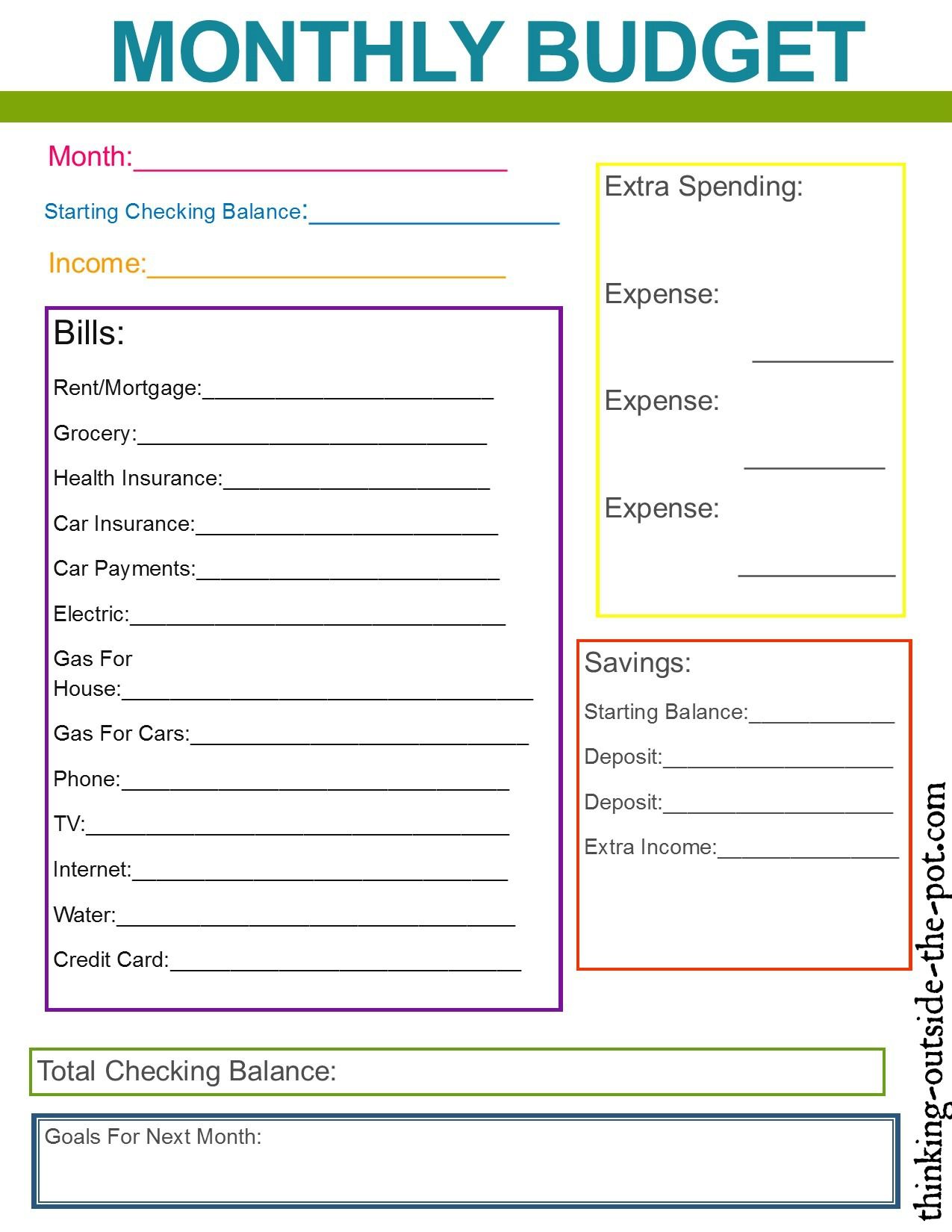
Start by reviewing the income section. Make sure to include all sources of income, not just your salary. If you receive any additional funds, such as freelance work or gifts, document those as well.
When analyzing this section, consider the following:
- Consistency: Are your income amounts consistent month over month? If you notice fluctuations, identify the reasons behind them.
- Growth: Are you seeing an increase in your income? If so, consider allocating more to savings or investments.
Expenses
Next, focus on the expenses section. This is where many people find the most room for improvement.
- Fixed vs. Variable: Differentiate between fixed and variable expenses. Fixed expenses are often non-negotiable, while variable expenses can usually be adjusted. Look for patterns in your spending on variable items to identify opportunities for savings.
- Categorization: Ensure that expenses are categorized clearly. This clarity will make it easier to analyze spending habits and adjust as needed.
Savings and Investments
In this section, review your savings goals. Are you on track to meet them? Consider the following:
- Goal Setting: Set specific, measurable goals for savings. This might include saving for a vacation, a new car, or retirement.
- Investment Review: If you have investments, track their performance. Are they growing as expected? Adjust your strategy if necessary.
Net Income
Calculating your net income is one of the most critical steps in reading a budget sheet. Here’s how to approach it:
- Positive vs. Negative: If your net income is positive, you’re in a good position. If it’s negative, you need to revisit your expenses and find areas to cut back.
- Adjustments: If you consistently find yourself with a negative net income, look for recurring expenses that can be reduced or eliminated.
Notes
Make use of the notes section to document any observations or changes you want to implement. This could include:
- Upcoming expenses that need to be budgeted for.
- Financial goals to keep in mind for the next month.
- Adjustments based on your review of the previous month’s performance.
Tips for Using a Budget Sheet Effectively
To get the most out of your budget sheet, consider these practical tips:
- Regular Reviews: Set a regular schedule to review your budget, such as weekly or monthly. This keeps your financial situation at the forefront and allows you to make timely adjustments.
- Use a Printable Template: Download a budget sheet template that suits your needs. Printable resources often come with pre-defined categories, making it easier to fill in your information.
- Track Progress: Use your budget sheet to track your financial progress over time. This can help motivate you to stick to your financial goals.
Downloadable Budget Sheet Resources
If you’re looking for printable budget sheets, there are many resources available online. Look for templates that include:
- Monthly Budget Templates: These are designed for monthly tracking and are great for teachers managing classroom funds or parents managing household budgets.
- Annual Budget Templates: If you prefer a broader view, annual templates allow for long-term planning and tracking.
- Customizable Options: Some templates allow you to customize categories based on your specific needs, which can be especially helpful for unique financial situations.
When downloading a budget sheet, consider the following:
- Format: PDF files are often preferred for printing as they maintain their formatting better than Word documents or image files.
- Size: Ensure the template is suitable for your printing needs; standard letter size (8.5 x 11 inches) usually works best for most home printers.
- Features: Look for sheets with clear headings and sections that make it easy to navigate.
The Importance of Regular Budgeting
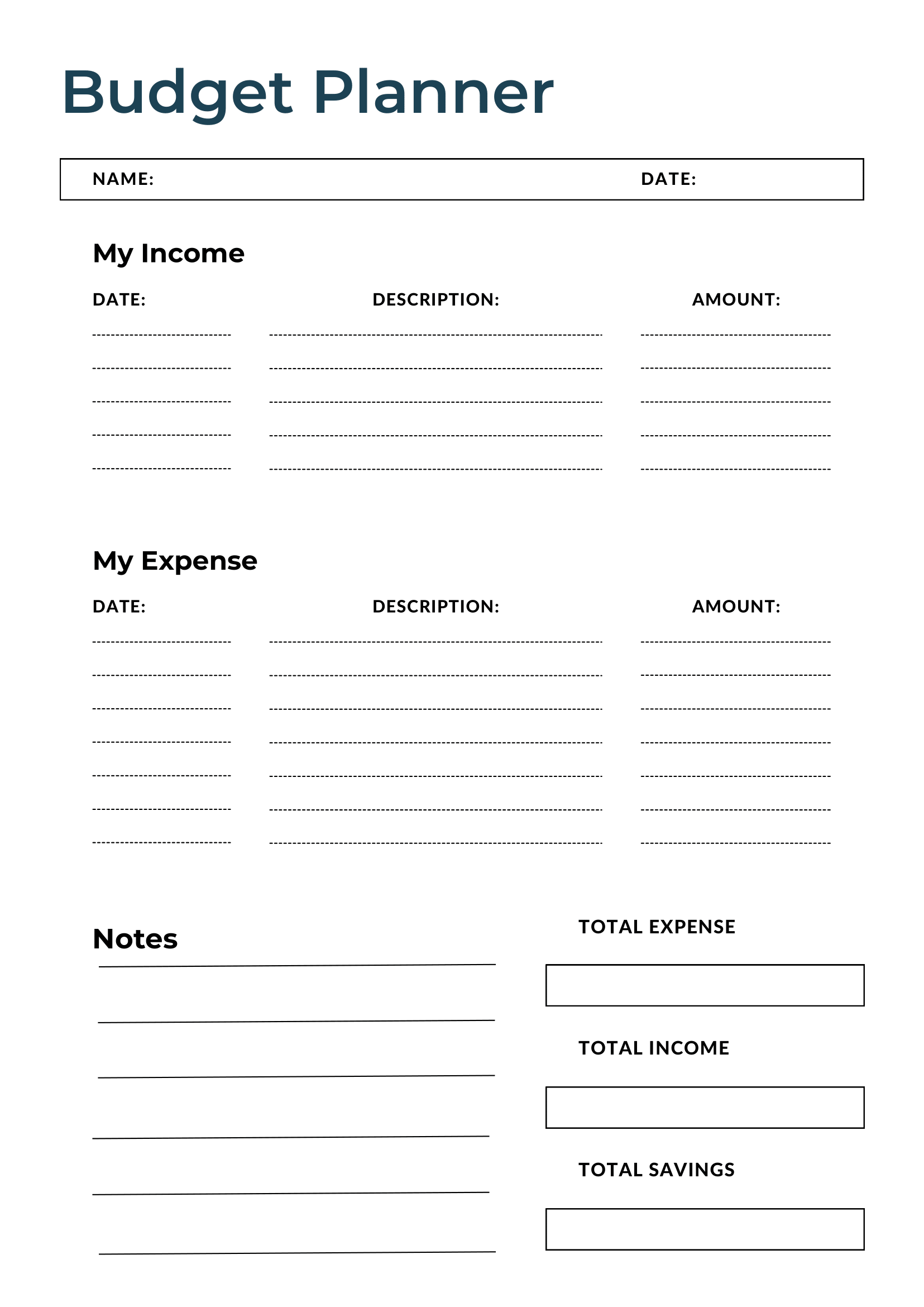
Budgeting isn’t just a one-time task; it requires ongoing attention and adjustment. By regularly reviewing your budget sheet, you can:
- Identify Trends: Spot trends in your spending and income that can inform future budgeting decisions.
- Stay Accountable: Keeping a budget sheet holds you accountable for your spending, which can lead to better financial choices.
- Achieve Goals: Regular tracking helps ensure you’re on track to meet your financial goals, whether they’re short-term or long-term.
Incorporating regular reviews of your budget sheet into your routine helps to keep your finances in check. This practice is especially useful for teachers who may need to manage classroom funds effectively or parents who want to instill financial literacy in their children.
By understanding how to read a budget sheet and implementing the practices outlined in this guide, you can take control of your financial situation and make informed decisions that lead to a more secure future.