Managing money is a vital skill, and a Free Printable Financial Budget Worksheet can make the process engaging for students. This resource is designed to help teachers and parents instill essential budgeting habits in children, providing them with a practical tool to track their income and expenses. You’ll find that using this worksheet can facilitate discussions around financial literacy and responsibility.
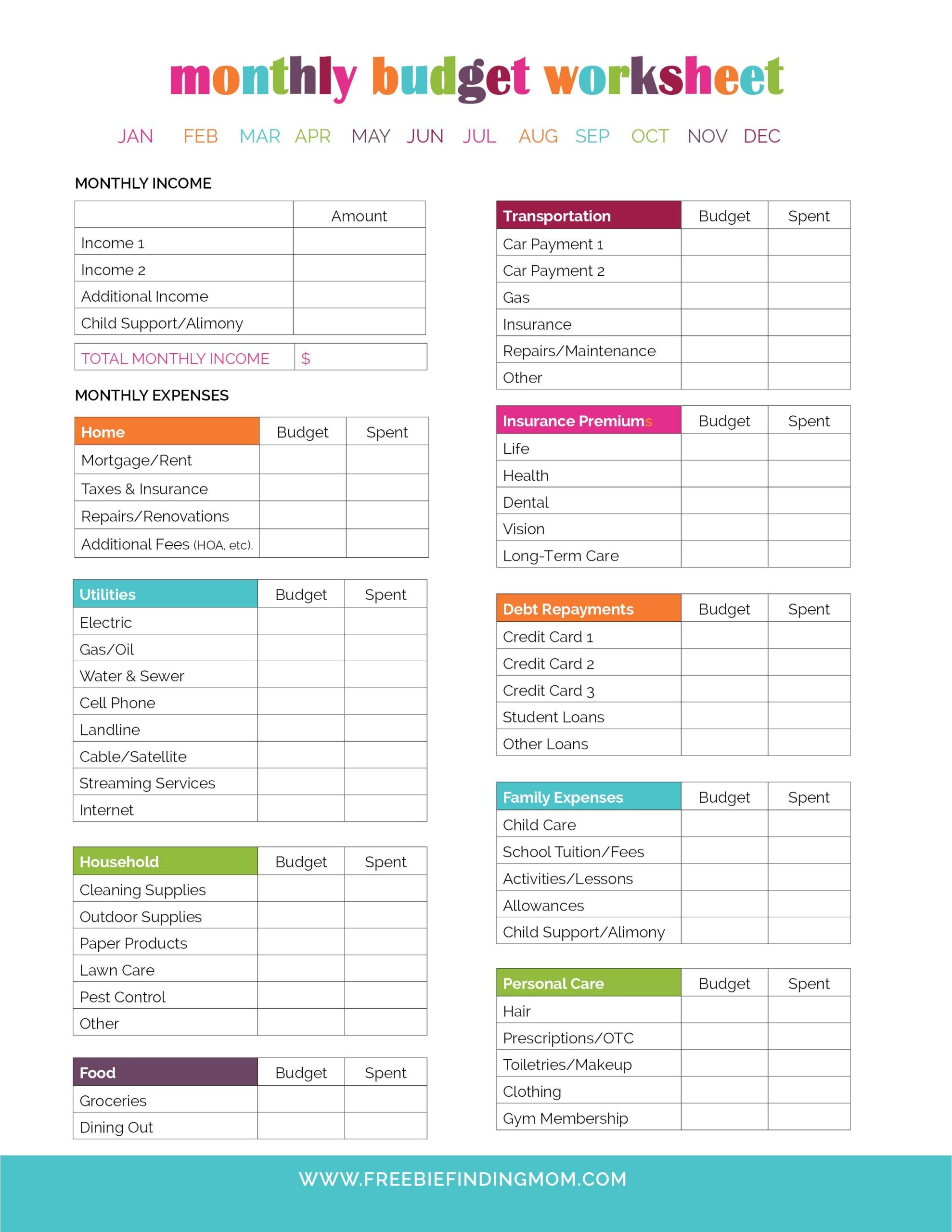
Understanding the Financial Budget Worksheet
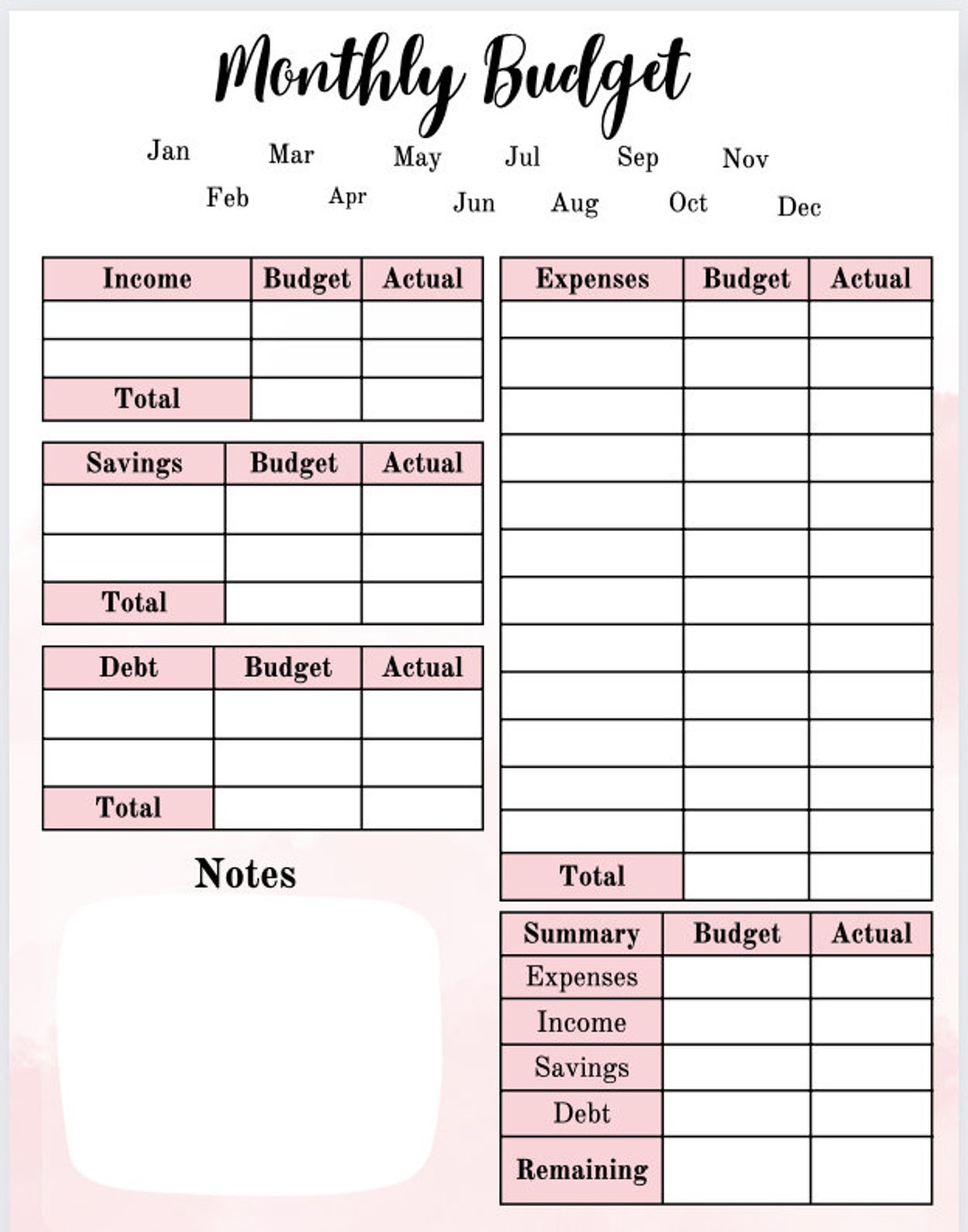
A Financial Budget Worksheet typically includes sections for income, expenses, savings, and a summary of how much money is remaining at the end of a specific period. This worksheet can be customized to suit various age groups, making it versatile for classroom or home use. For younger students, simpler categories like “allowance,” “snacks,” and “toys” can be used, while older students can handle more complex entries like “part-time job income” and “monthly bills.”
Key Components of the Worksheet
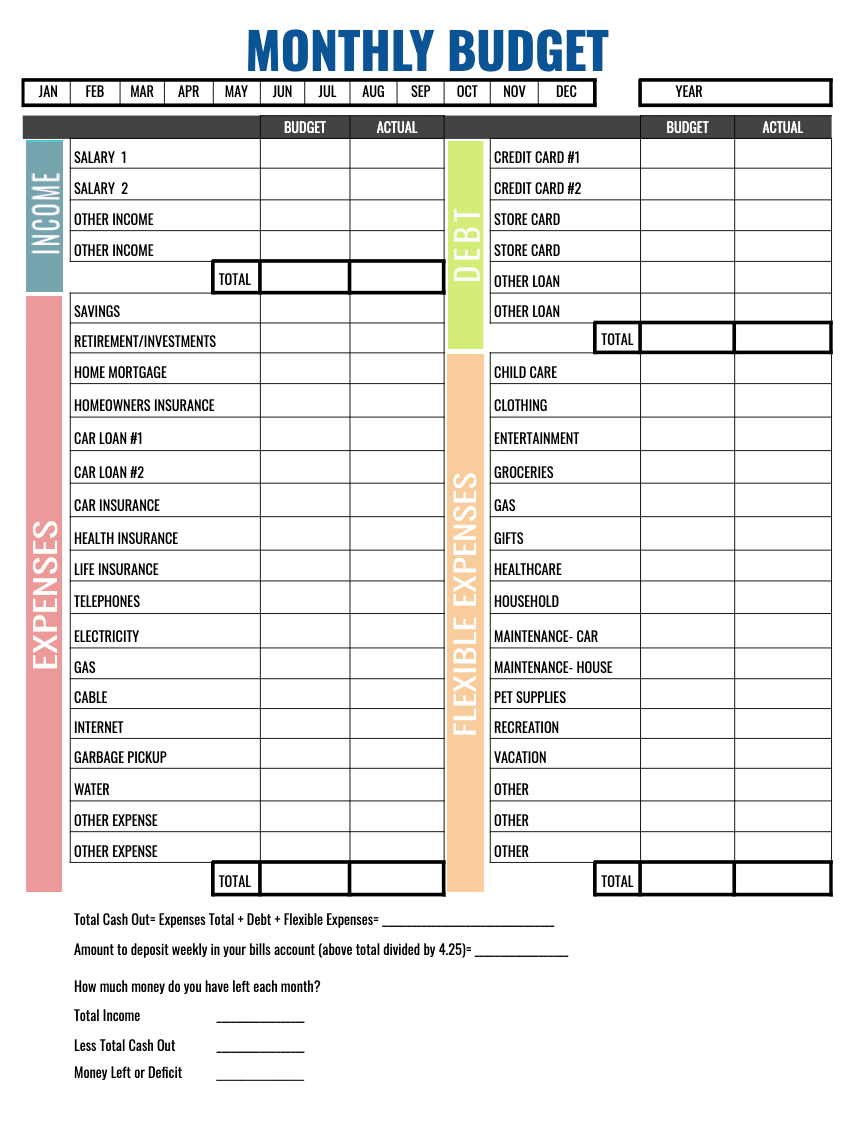
- Income Section: This part helps students list all sources of income. This could include allowances, gifts, or earnings from chores and part-time jobs.
- Expense Section: Here, students can categorize their spending—food, entertainment, school supplies, etc. This helps them visualize where their money goes.
- Savings Goals: A dedicated section for savings encourages students to set financial goals, whether it’s for a new gadget or a special outing.
- Summary: This section provides an overview of total income versus total expenses, allowing students to see if they are living within their means.
How to Use the Financial Budget Worksheet Effectively
Using the Free Printable Financial Budget Worksheet is straightforward, but guiding your students through the process can enhance their understanding. Here’s a step-by-step approach to ensure they get the most out of this resource.
Step 1: Download and Print
First, download the worksheet from a reliable printable resource website. Opt for a PDF format to avoid any reformatting issues when printing. Print it on standard letter-sized paper (8.5 x 11 inches) for easy handling.
Step 2: Set Clear Goals
Before diving into the worksheet, discuss the importance of budgeting with your students. Ask them what they want to save for and how they plan to allocate their money. Setting clear goals makes budgeting more meaningful.
Step 3: Fill in Income Sources
Have your students list all their sources of income in the designated section. Encourage them to think broadly—this could include holiday gifts or money earned from chores.
Step 4: Track Expenses
Next, guide them to track their expenses. Encourage them to write down every purchase, no matter how small. This builds awareness of spending habits and helps them understand the importance of keeping receipts or using a spending log.
Step 5: Analyze the Budget
Once the worksheet is filled out, review it together. Discuss whether their spending aligns with their goals. This is an excellent opportunity to talk about needs versus wants and the importance of saving.
Mastering Budgeting Skills Over Time
The goal of using the Free Printable Financial Budget Worksheet isn’t just to fill it out once; it’s about developing a habit. Here’s how you can help your students or children master their budgeting skills over time.
Regular Reviews
Schedule regular check-ins to review their budgets. Monthly reviews can help students see trends in their spending and adjust as necessary. This practice helps them become more adaptive and aware of their finances.
Celebrate Achievements
When students achieve their savings goals, celebrate their accomplishments! It reinforces positive behavior and motivates them to continue budgeting. Simple rewards, like a fun outing or a small treat, can reinforce the value of saving.
Encourage Reflection
After a few months of using the worksheet, encourage your students to reflect on their experiences. Ask questions like, “What did you learn about your spending habits?” or “How did it feel to reach your savings goal?” Reflection deepens understanding and solidifies learning.
Tips for Enhancing the Budgeting Experience
To further enrich the experience of using the Free Printable Financial Budget Worksheet, consider incorporating these practical tips:
- Use Colored Pens: Encourage students to use different colors for income and expenses. This visual differentiation can make tracking more engaging.
- Incorporate Technology: For older students, consider introducing budgeting apps or spreadsheets. This can help bridge the gap between traditional budgeting and modern financial management tools.
- Real-Life Scenarios: Create real-life budgeting scenarios for your students. For example, give them a fictional monthly income and a set of expenses to manage. This practice brings the worksheet to life and enhances critical thinking.
By integrating these activities, you encourage deeper learning and make budgeting a fun and engaging subject.