Creating a personal budget worksheet is a valuable skill that helps students and adults alike understand their finances better. This resource not only teaches essential budgeting skills but also reinforces mathematical concepts and promotes responsible financial habits. If you are a teacher looking to incorporate financial literacy into your curriculum or a parent wanting to guide your child in managing their money, this guide will provide practical steps and tips for creating an effective personal budget worksheet.
Understanding the Basics of a Personal Budget Worksheet
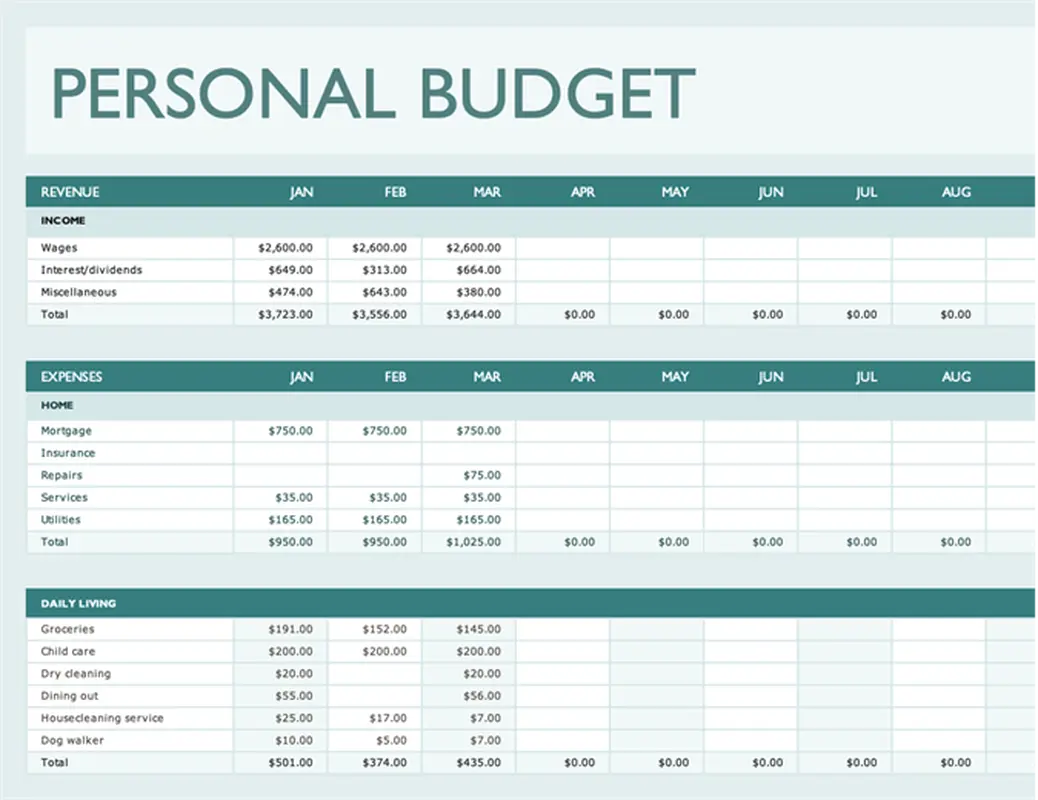
A personal budget worksheet outlines income and expenses, helping individuals track their financial situation. It typically includes sections for various income sources, fixed expenses (like rent or utilities), and variable expenses (like groceries or entertainment). Understanding these categories is crucial for effective budgeting.
The Importance of Budgeting
Budgeting is essential for financial stability and planning. It allows individuals to see where their money goes, identify spending habits, and set financial goals. For students, learning how to budget can foster independence and responsibility, making it a perfect topic for classroom activities. By using a personal budget worksheet, students can gain insights into their spending and saving habits, which is critical for their future financial well-being.
Key Components of a Personal Budget Worksheet
When creating a personal budget worksheet, include the following key components:
- Income Section: List all sources of income, such as allowances, jobs, or gifts.
- Fixed Expenses: Identify regular monthly expenses that don’t change, like rent, insurance, or subscriptions.
- Variable Expenses: Include costs that can fluctuate, such as groceries, entertainment, and clothing.
- Savings Goals: Set aside a section for savings, which can include short-term and long-term goals.
- Summary Section: At the end, summarize total income, total expenses, and remaining balance to evaluate financial health.
These components provide a comprehensive view of an individual’s financial situation, making it easier to make informed decisions.
Choosing the Right Format for Your Worksheet
There are several formats you can use when creating a personal budget worksheet. Here are a few options:
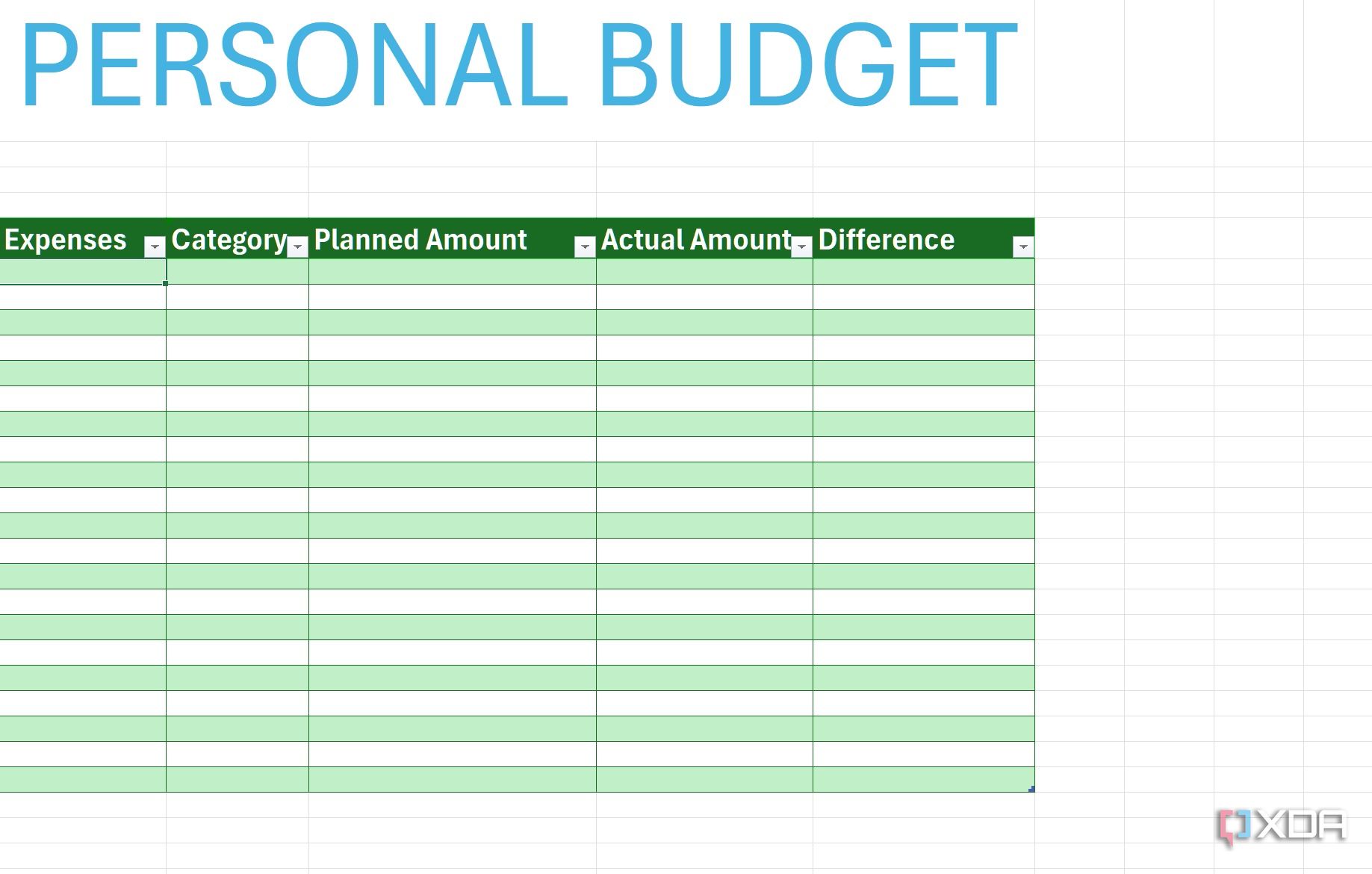
- Digital Spreadsheets: Programs like Microsoft Excel or Google Sheets allow for easy calculations and adjustments. They are perfect for older students who are comfortable with technology.
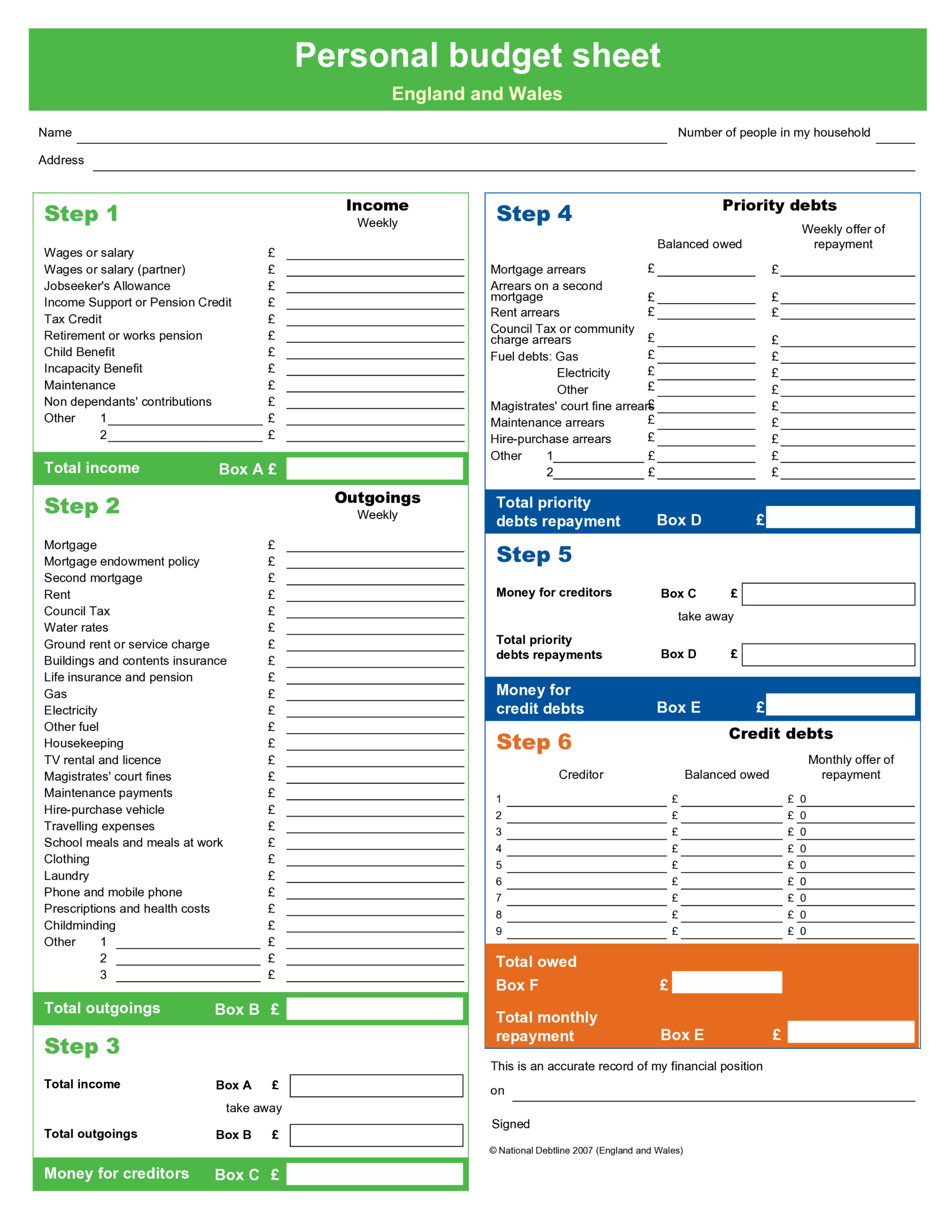
- Printable Templates: Many printable templates are available online. These are suitable for younger students or for those who prefer writing by hand.
- Custom Worksheets: You can create a custom worksheet tailored to specific needs, such as a monthly budget or a yearly overview.
Printable Vs. Digital
Deciding between a printable or digital format depends on personal preference and usage. Printable worksheets are great for hands-on activities, while digital versions facilitate easier updates and calculations. For example, if you choose a digital format, students can easily adjust their budgets as their income or expenses change. Consider what works best for your situation or classroom dynamic.
Steps to Create a Personal Budget Worksheet
Creating a personal budget worksheet involves several steps:
- Gather Financial Information: Collect all relevant financial data, including income sources and expense records.
- Choose a Template: Select a format that suits your needs—either a printable template or a digital spreadsheet.
- Fill in Income and Expenses: Start by entering your total income followed by listing all expenses. Be as detailed as possible to ensure accuracy.
- Review and Adjust: After filling out the worksheet, review the numbers. Adjust any expenses or income entries to reflect true financial situations.
- Set Financial Goals: Establish savings goals and prioritize them in your budget. This can motivate individuals to stick to their budget.
- Monitor Regularly: Finally, encourage regular monitoring of the budget. This will help identify any areas that may need adjustment over time.
These steps create a structured approach to budgeting that students can follow independently.
Tips for Effective Budgeting
To make budgeting a successful and engaging process, consider these practical tips:
- Be Realistic: Set achievable financial goals. Avoid setting savings targets that are too high, as this may lead to frustration.
- Involve Students: If you’re using this in a classroom, involve students in the discussion. Let them share their thoughts on spending and saving.
- Use Visual Aids: Color-code sections of the worksheet or use graphs to visualize income and expenses. This can make understanding finances more engaging for younger audiences.
- Review Regularly: Schedule regular reviews of the budget, whether monthly or quarterly. This reinforces the importance of budgeting and allows for necessary adjustments.
These techniques can help students feel more connected to their budgeting efforts and understand the value of financial planning.
Resources for Downloading Budget Worksheets
There are numerous resources available online for downloading personal budget worksheets:
- Educational Websites: Many educational sites offer free or low-cost templates specifically designed for teaching budgeting skills.
- Financial Literacy Organizations: Non-profits often provide worksheets along with educational materials to help teach budgeting.
- Community Resources: Local libraries or community centers may have resources for budgeting tools and worksheets.
These resources can save time and provide high-quality worksheets that encourage effective budgeting practices.
Encouraging Independence With Budgeting
Teaching students or children how to create a personal budget worksheet fosters independence and responsibility. It’s not just about tracking money; it’s about understanding the value of financial planning. This skill can empower them to make informed decisions about spending and saving as they grow.
By integrating budgeting into your teaching or parenting practices, you’re equipping the next generation with essential life skills. Remember, the goal is to make budgeting relatable and practical, ensuring that students can apply what they learn in real-life situations.
Creating a personal budget worksheet can be a rewarding experience, whether for yourself, your students, or your children. It’s a step toward financial literacy that has lasting benefits.