Budgeting is an essential skill that high school students need to master as they prepare for adulthood. A Budgeting Worksheet For High School Students can serve as a valuable resource to help them track their income, expenses, and savings. This guide will provide practical insights into using this worksheet effectively at home or in a homeschool environment, allowing students to take control of their finances and build a strong financial foundation.
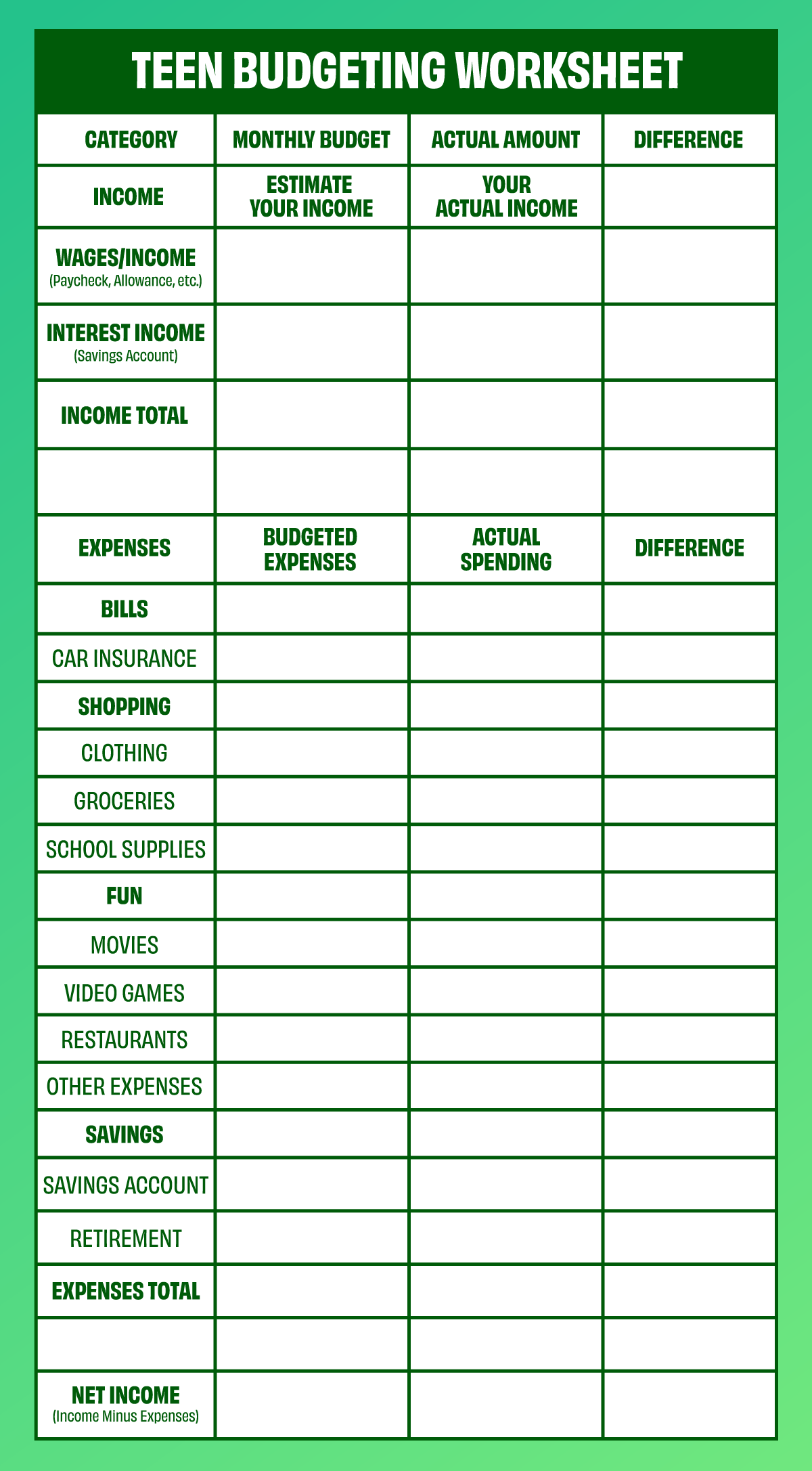
Understanding the Budgeting Worksheet
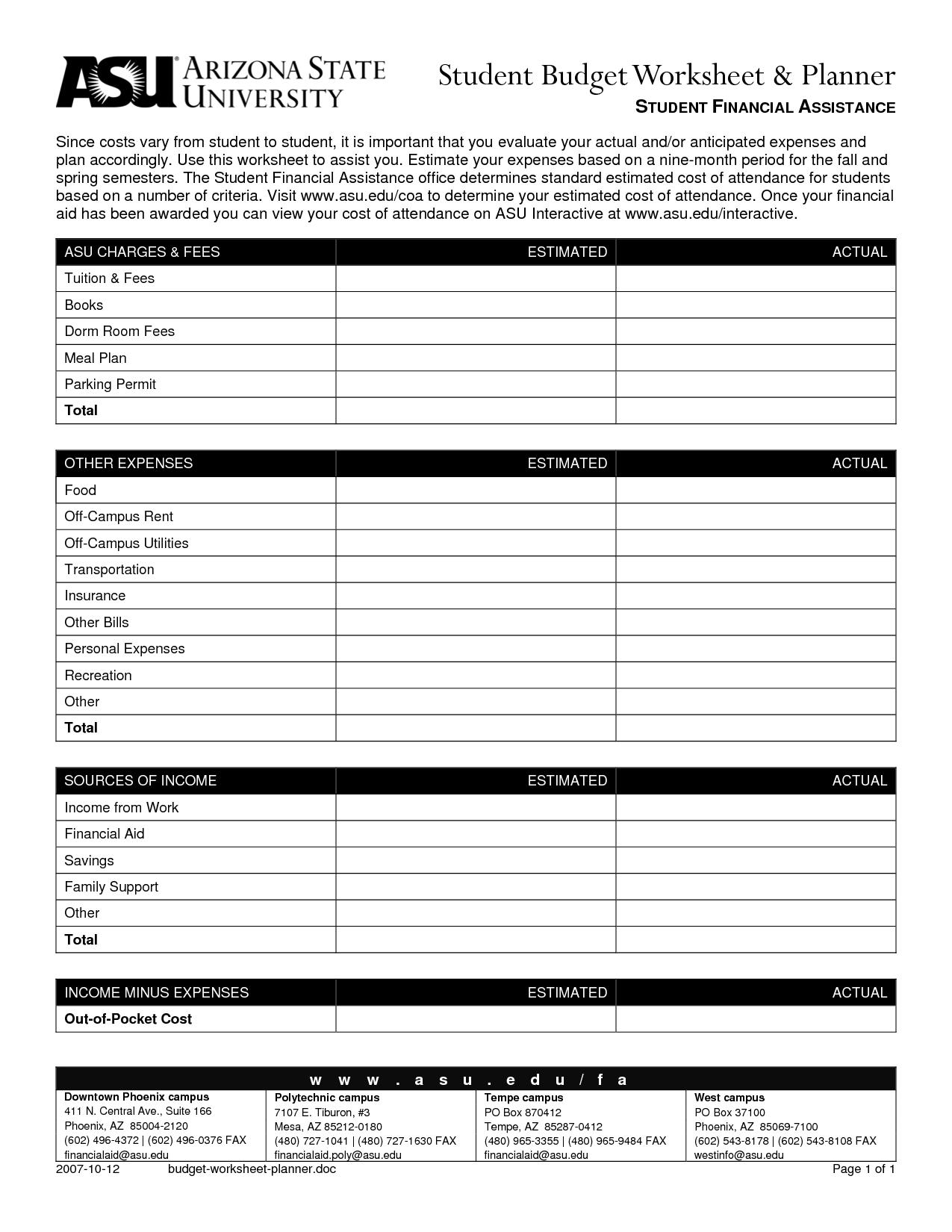
A budgeting worksheet is a structured tool that allows students to plan their finances by outlining their income and expenses. Typically, these worksheets will include sections for monthly income, fixed expenses (like rent or subscriptions), variable expenses (like groceries or entertainment), and savings goals.
The worksheet can usually be found in downloadable formats such as PDF or Word, making it easy for you to print and fill out. Make sure to choose a worksheet that is visually engaging and easy to understand. A well-designed worksheet will encourage students to take an active role in their budgeting process.
Why High School Students Need a Budgeting Worksheet
High school is a pivotal time for students to learn how to manage their money. Whether they have part-time jobs, receive allowances, or depend on gifts, understanding how to budget is crucial. Here are a few reasons why a budgeting worksheet is beneficial:
- Develop Financial Literacy: Using a budgeting worksheet helps students comprehend basic financial concepts such as income, expenses, savings, and debt.
- Instill Responsibility: Tracking their finances encourages responsibility and helps them understand the consequences of overspending.
- Encourage Goal Setting: Students can set financial goals for themselves, such as saving for college or a specific purchase, making budgeting a more engaging and rewarding process.
How to Use the Budgeting Worksheet Effectively
To make the most out of the budgeting worksheet, here are some practical steps you can follow:
- Gather Financial Information: Have students list all sources of income, including part-time jobs, allowances, and any other financial contributions. This will provide a clear picture of their total income.
- Categorize Expenses: Guide them in identifying and categorizing their expenses into fixed and variable. Fixed expenses may include things like phone bills or subscriptions, while variable expenses can include dining out or entertainment.
- Set Savings Goals: Students should determine how much they want to save each month. Encourage them to create short-term and long-term saving goals, which can motivate them to stick to their budget.
- Track and Adjust: Encourage students to review their budgets regularly. This may involve adjusting their spending habits or savings goals based on their actual income and expenses.
- Make it Routine: Incorporate a budgeting session into their routine, perhaps every Sunday afternoon. This will help students develop a habit of tracking their finances.
Printable Resources for Budgeting Worksheets
When looking for a Budgeting Worksheet For High School Students, consider the following features that will enhance usability:
- Clear Layout: Choose worksheets with a clear and organized layout that allows students to fill in their information easily.
- Visual Aids: Some worksheets include graphs or charts to help visualize spending habits and savings progress.
- Customizable Fields: Look for templates that allow students to add or remove categories based on their individual needs.
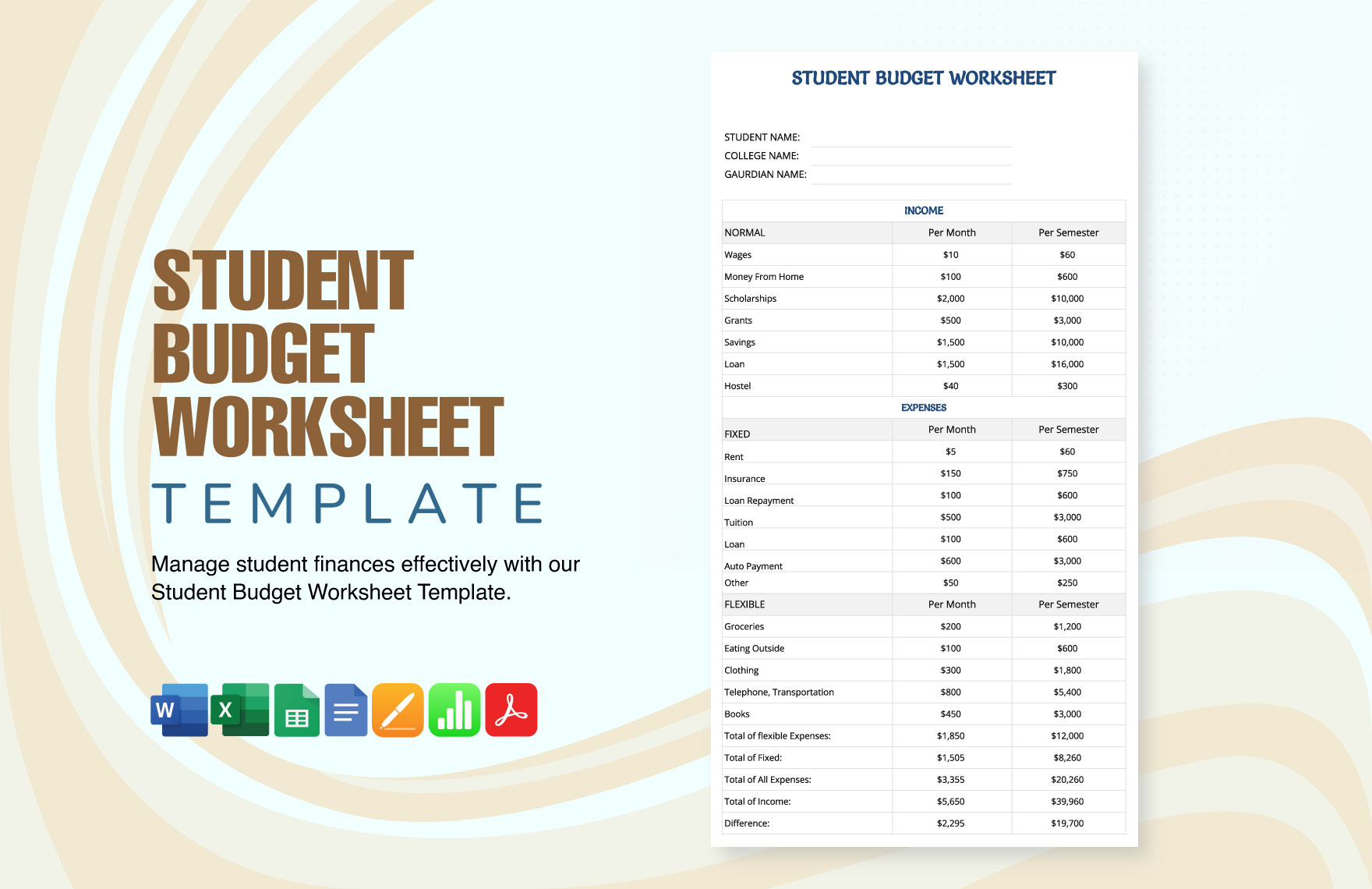
You can find a variety of printable budgeting worksheets online. Many educational websites offer free downloads, ensuring that you can find one that fits your needs without the hassle of cost.
Tips for Parents and Educators
Supporting high school students in their budgeting journey can be incredibly rewarding. Here are some tips for parents and educators to facilitate the process:
- Lead by Example: Share your budgeting practices with students. Discuss your financial goals and challenges to provide relatable context.
- Encourage Open Discussion: Create a safe space for students to discuss their financial concerns or questions. This can help them feel more comfortable engaging with their budgets.
- Use Real-Life Examples: Introduce real-life scenarios that require budgeting decisions, such as planning a family outing or saving for a new gadget. This can make the budgeting process more tangible and relevant.