Budgeting is a fundamental skill that can set the foundation for financial success later in life, and a Budget Money Middle School Worksheet is a practical tool to facilitate this learning. Designed specifically for middle school students, this resource helps them understand the basics of managing money, including income, expenses, and savings. In this guide, I’ll walk you through how to choose, download, print, set up, and effectively utilize this worksheet as part of a broader educational strategy.
Understanding the Budget Money Middle School Worksheet
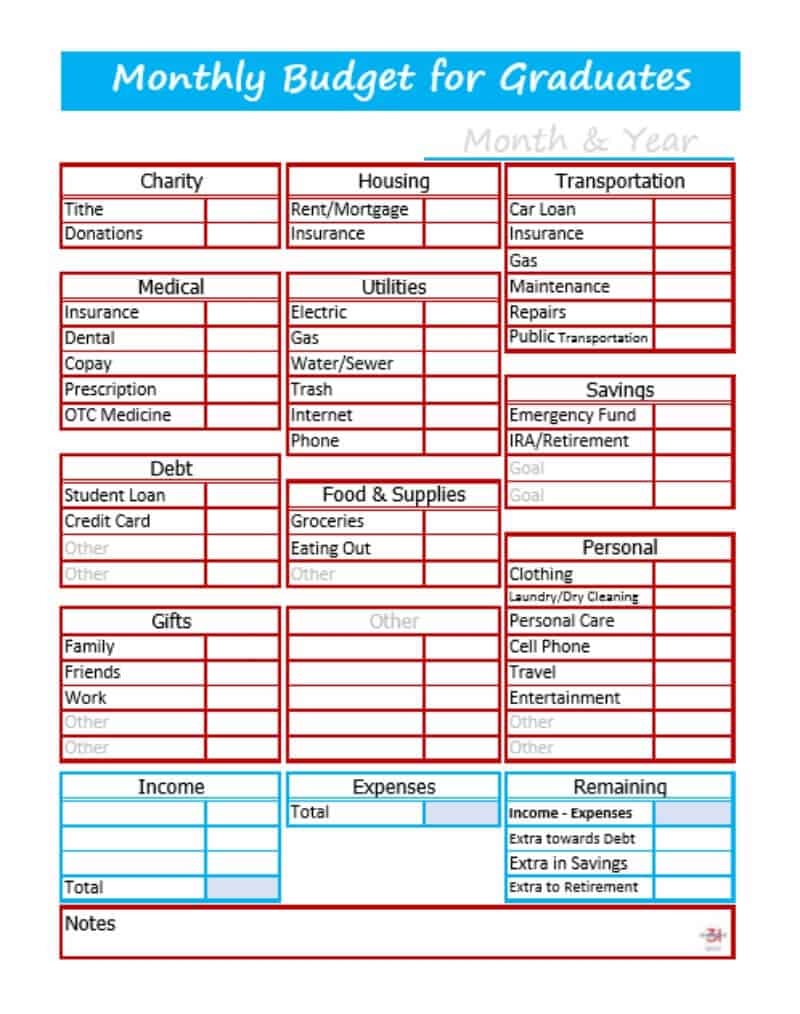
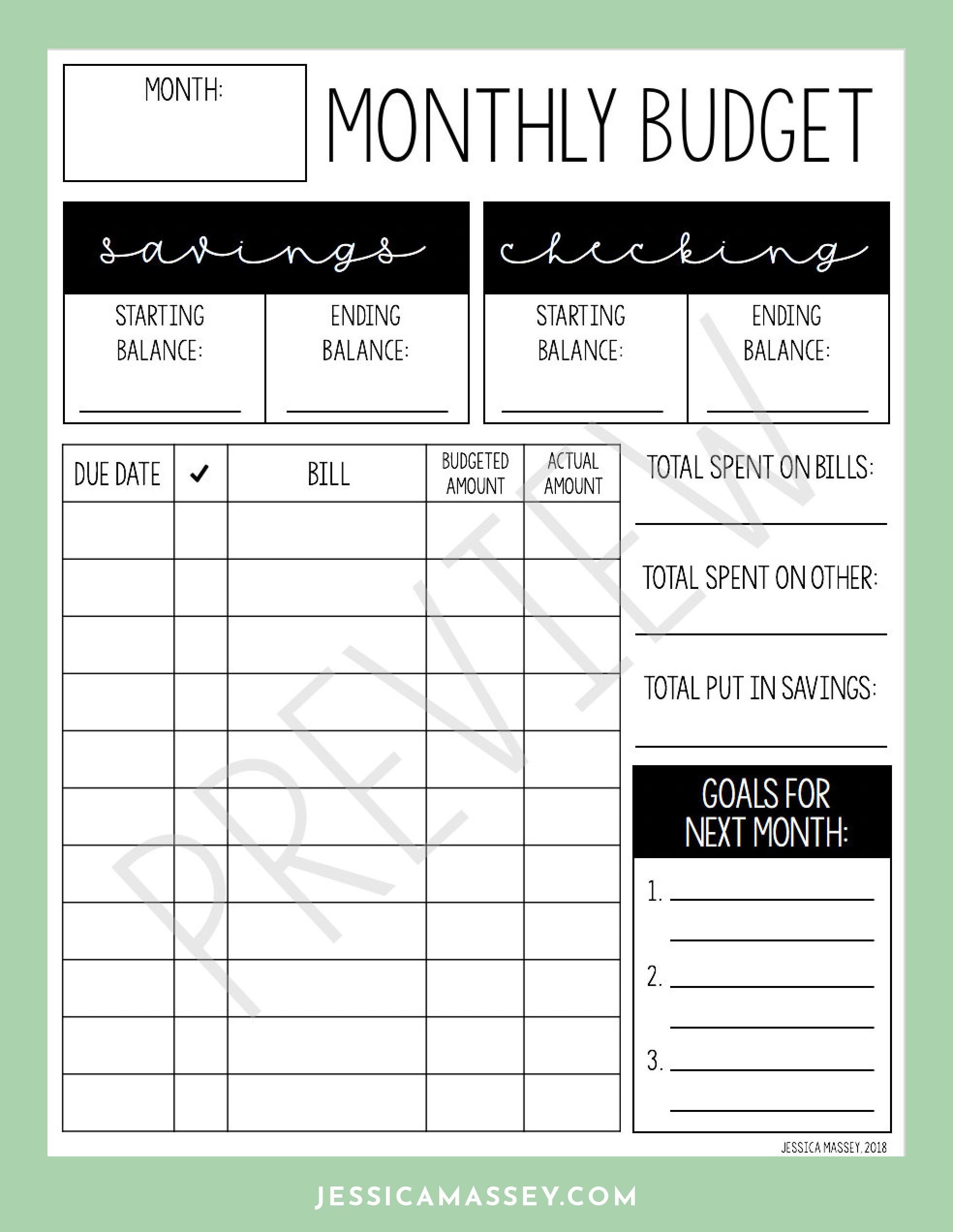
The Budget Money Middle School Worksheet typically includes sections for students to record their expected income, outline their fixed and variable expenses, and set savings goals. This worksheet is tailored for students in grades 6-8, making it age-appropriate and relevant to their everyday financial experiences.
When using the worksheet, it’s important to help students understand the difference between needs and wants. This foundational knowledge will guide them in making better financial decisions. You’ll find that engaging students in discussions about real-life scenarios—like saving for a new video game or budgeting for school supplies—can make the exercise more relatable and impactful.
Choosing the Right Format
The Budget Money Middle School Worksheet is usually available in PDF format, making it easy to download, print, and use immediately. PDFs are preferable for worksheets because they maintain formatting across different devices, ensuring that all sections are clearly visible and well-organized for students.
Here are some tips for choosing the right format and setting up the worksheet:
- Paper Size: Standard letter size (8.5 x 11 inches) is ideal for most home printers.
- Orientation: Landscape orientation often works better for worksheets with more columns, while portrait is suitable for simpler layouts.
- Print Settings: Use high-quality print settings to ensure that all text is crisp and easy to read; a grayscale option is generally sufficient for worksheets.
Setting Up the Worksheet for Use
Once you’ve downloaded and printed the Budget Money Middle School Worksheet, it’s time to set it up for use. Here’s how to do it effectively:
- Introduce the Concepts: Before diving into the worksheet, introduce key budgeting concepts. Discuss what a budget is, why it’s important, and how it can help in everyday life.
- Explain the Sections: Walk students through each section of the worksheet. Ensure they understand how to fill out their income, expenses, and savings goals.
- Real-Life Application: Encourage students to think of real-life examples when completing the worksheet. For instance, they might consider their allowance or any part-time jobs they might have.
- Use in Class or at Home: This worksheet can be used in a classroom setting, during financial literacy sessions, or even at home for parents who want to engage their children in budgeting discussions.
Practicing Budgeting Skills Over Time
Repetition is key to mastering budgeting skills. Instead of completing the Budget Money Middle School Worksheet in one sitting, consider spacing out the practice over a week or a month. This allows students to reflect on their spending habits and make adjustments as needed.
For example, you might have students fill out their worksheet at the beginning of the month and then review it at the end of the month. This ongoing practice helps solidify their understanding and makes budgeting a regular part of their financial routine.
Engaging Activities to Reinforce Budgeting
To further enhance the learning experience, consider incorporating engaging activities alongside the worksheet:
- Budgeting Games: Use interactive budgeting games that simulate real-life financial scenarios. This can help students understand the consequences of their financial decisions in a fun way.
- Group Discussions: Host discussions where students can share their budgeting experiences and challenges. This peer learning can reinforce concepts and motivate them to improve their skills.
- Project-Based Learning: Assign projects that require students to create a budget for a hypothetical event, like a class trip or birthday party. This practical application reinforces their learning.
Resources for Further Learning
To deepen their understanding of budgeting, students can benefit from additional resources. Consider recommending books, websites, or apps that focus on financial literacy. Websites like Junior Achievement and the National Endowment for Financial Education provide excellent materials tailored for middle school students.
Moreover, you can create a list of online budgeting tools and calculators that students can explore to see how budgeting works in real life. These interactive tools can help them visualize their financial goals and understand the importance of saving.
Finally, integrating technology into budgeting lessons can make the learning experience more dynamic. Use apps that track spending or savings goals, allowing students to manage their finances in a digital format.
By incorporating the Budget Money Middle School Worksheet into your teaching strategy, you’re equipping students with essential life skills they can carry forward. The practical experience gained from this resource will not only help them understand budgeting but also instill a sense of responsibility towards managing their finances.
Remember, the most important detail to keep in mind is that budgeting is a skill that improves with practice and reflection. Encourage students to revisit their worksheets regularly to track their progress and adapt their goals as needed. The more familiar they become with budgeting, the more confident they’ll feel about their financial decisions in the future.