A Budget List For Retirement Worksheet is an invaluable tool for small-business owners planning their financial futures. This worksheet typically comes in a printable format, allowing you to easily jot down income sources, expenses, and savings goals. Understanding how to effectively use this resource is essential for anyone looking to secure their retirement.
The Layout of the Budget List For Retirement Worksheet
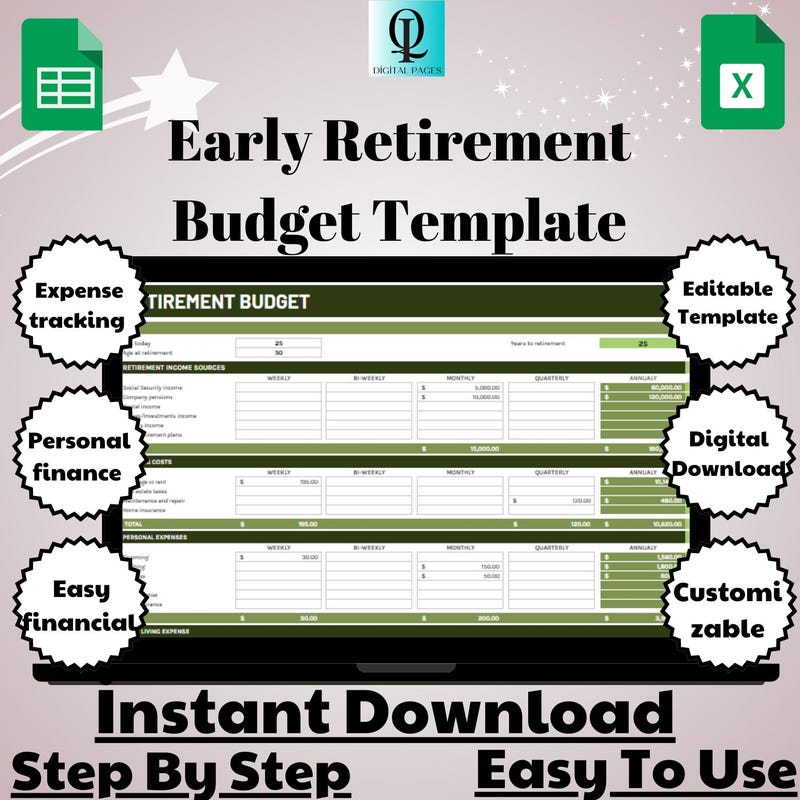
The layout of the Budget List For Retirement Worksheet is designed for clarity and ease of use. Generally, it features a well-organized table format that includes sections for income, expenses, and savings.
- Income Section: This part allows you to list all potential income sources, such as business profits, investments, and pensions. Providing dedicated spaces for each source ensures you don’t overlook any potential revenue streams.
- Expenses Section: Here, you can categorize your expenses into fixed and variable costs. Fixed costs might include mortgage payments, while variable costs could encompass utilities and groceries. This distinction helps you see where you can trim expenses if necessary.
- Savings Goals: The worksheet should also include a dedicated area for savings. This section lets you set specific financial targets for your retirement, making it easier to track your progress over time.
The overall design prioritizes usability. The columns are wide enough for detailed entries while also ensuring that the entire sheet remains printable on standard 8.5” x 11” paper.
Sections to Focus On for Effective Planning
When using the Budget List For Retirement Worksheet, it’s crucial to pay attention to specific sections that will impact your financial planning.
Income Analysis
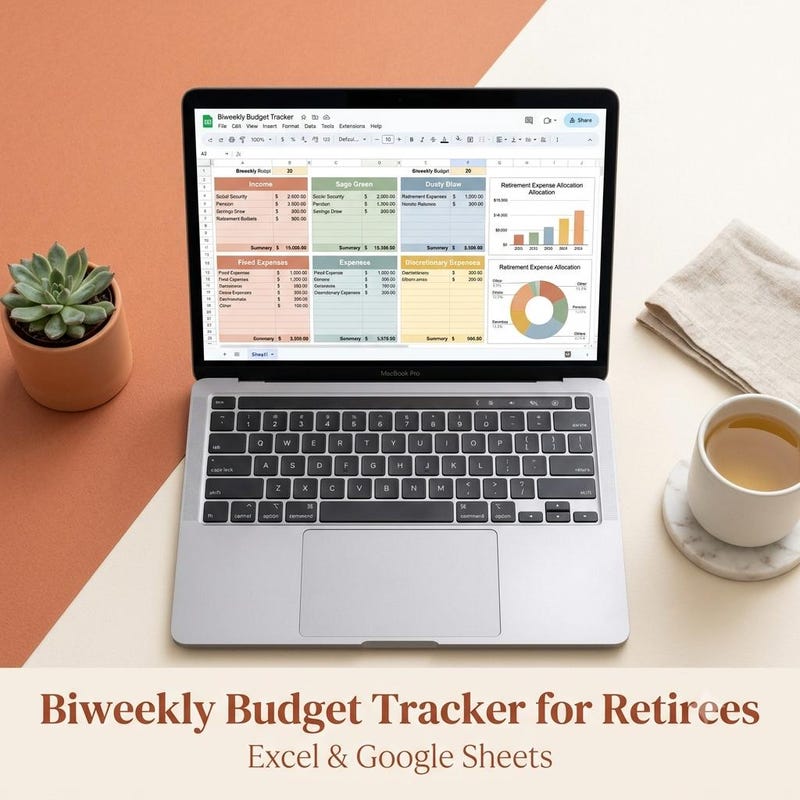
The income section should be filled out comprehensively. It’s not just about listing your current income; consider future income as well. For instance, if you plan to sell your business or receive rental income from a property, include those projections. This foresight helps you create a more accurate financial picture.
Expense Tracking
Tracking expenses is where many people falter. The worksheet encourages you to break down your spending into categories. By doing so, you can identify areas where you might be overspending. For instance, if you notice a high monthly expenditure on dining out, this could be an area to cut back on, freeing up funds for savings.
Setting Realistic Savings Goals
The savings section is where you can set short-term and long-term goals. It’s important to be realistic in your projections. For example, if you aim to save $500 a month but only have an extra $200 after expenses, you need to adjust your expectations. This section also provides an opportunity to visualize how small changes can lead to significant savings over time.
Utilizing the Worksheet Effectively Over Time
One of the key advantages of the Budget List For Retirement Worksheet is its ability to facilitate ongoing financial planning. It’s not a one-time fill-out; instead, it should be revisited regularly.
Weekly Review Sessions
Setting aside time each week to review your worksheet can significantly boost your financial awareness. During these sessions, assess your income and expenses to see if you are on track with your goals. This practice allows for adjustments as life changes, such as unexpected expenses or income fluctuations.
Monthly Adjustments
At the end of each month, take a deeper look at your worksheet. This is the time to analyze patterns in spending and income. Are there consistent overspending areas? Have you underestimated your income? Regularly updating the worksheet helps you stay aligned with your retirement goals.
Additional Features to Look Out For
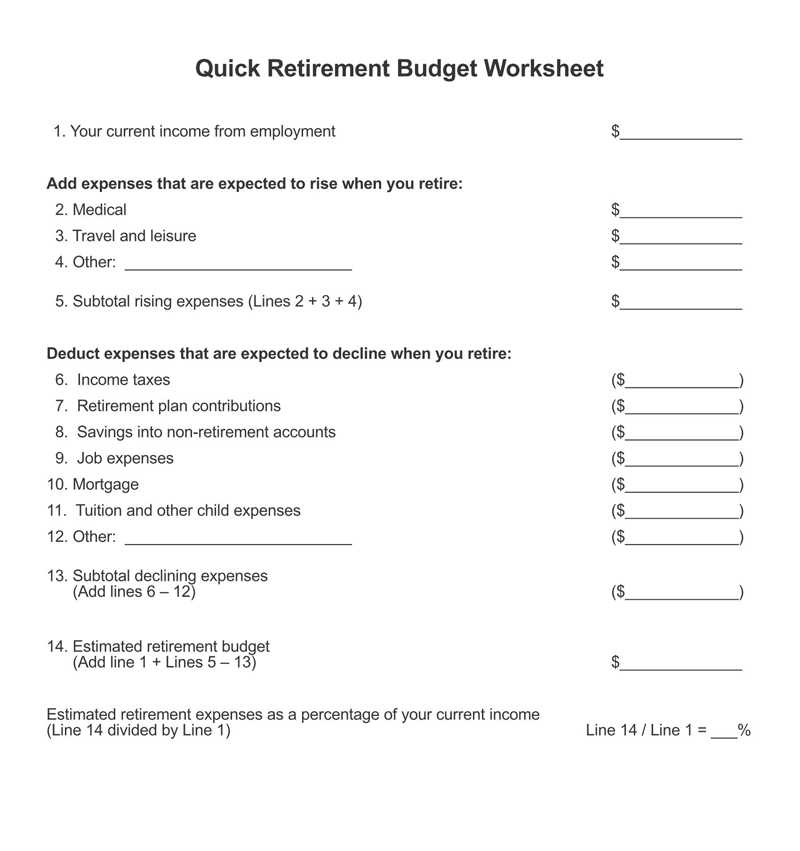
While the core sections are vital, some worksheets come with additional features that can further aid your planning.
- Graphs and Charts: Some versions include visual tools to help you see your financial progress at a glance. These can be particularly motivating, as they illustrate how your savings accumulate over time.
- Notes Section: A dedicated notes area can be useful for jotting down reminders or financial advice you encounter. This flexibility allows the worksheet to become a personalized financial planning tool.
- Digital Compatibility: Consider whether the worksheet is available in a digital format. A PDF version can be easily filled out on a computer or tablet, making it convenient for those who prefer digital tracking.
Using a Budget List For Retirement Worksheet effectively requires regular engagement and a commitment to tracking your financial journey. By focusing on the layout, utilizing each section thoughtfully, and making adjustments over time, you can significantly enhance your retirement planning efforts. The most useful feature you might not have considered earlier? The ability to visualize your financial data through charts can transform your planning process, making complex information easier to digest.