Planning a trip can be an exhilarating experience, but it often comes with the challenge of budgeting. The Budget Helper Worksheet For A Trip provides a practical way to track expenses and manage your finances. By using this worksheet, you can ensure that your travel experience is enjoyable without overspending. This guide will walk you through the features of the worksheet, how to use it effectively, and tips for maximizing its potential.
Features of the Budget Helper Worksheet
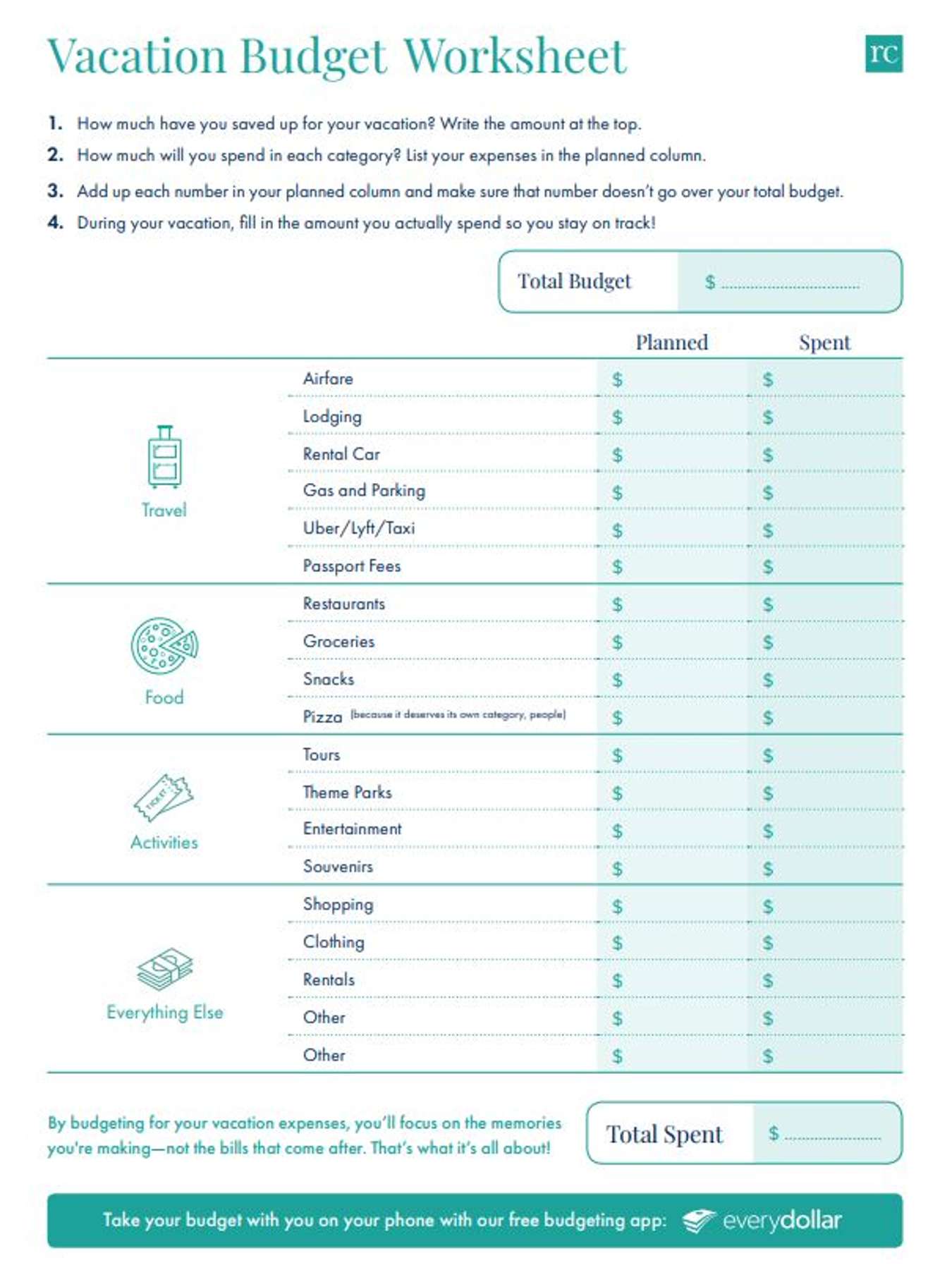
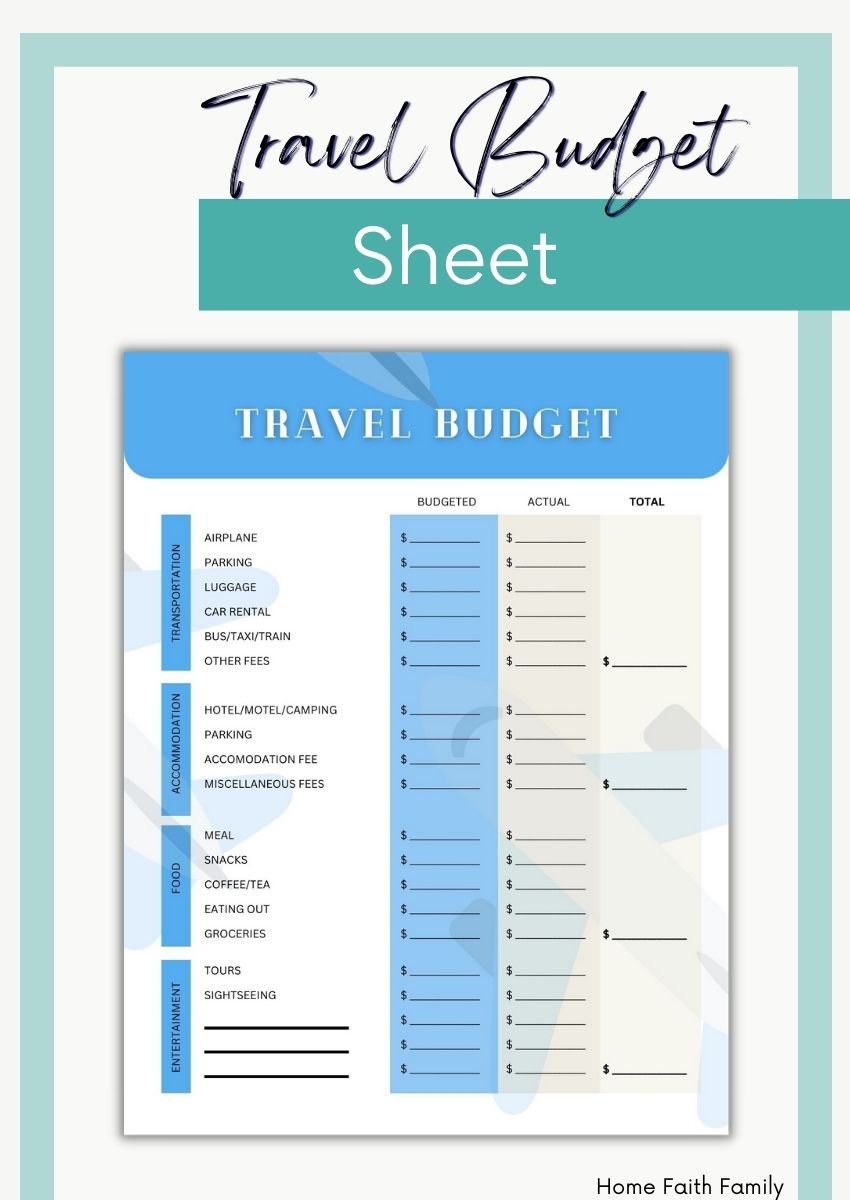
The Budget Helper Worksheet For A Trip is designed to help you break down your travel expenses into manageable categories. This worksheet typically includes sections for:
- Transportation costs (flights, fuel, rentals)
- Accommodation (hotels, Airbnb)
- Food and dining
- Activities and excursions
- Miscellaneous expenses (souvenirs, tips)
Each section allows you to input estimated and actual costs, helping you visualize where your money is going. This is crucial for staying on track with your budget during the trip.
How to Use the Budget Helper Worksheet Effectively
To make the most of the Budget Helper Worksheet For A Trip, follow these steps:
- Download and Print: Obtain the worksheet from a trusted printable-resource website. Ensure it’s formatted correctly for your printer—standard letter size (8.5 x 11 inches) works best for home printing.
- Fill in Estimated Costs: Before your trip, research and fill in estimated costs for each category. This helps set a realistic budget based on your travel plans.
- Track Actual Expenses: During your trip, keep the worksheet handy. As expenses arise, jot down the actual costs. This immediate recording helps prevent overspending.
- Review and Adjust: After your trip, review your worksheet to see how closely you stuck to your budget. This analysis will provide insights for future trips, allowing for adjustments in your budgeting strategy.
Tips for Maximizing Your Budget Helper Worksheet
Using the Budget Helper Worksheet For A Trip is not just about filling in numbers. Here are some practical tips to enhance your experience:
- Set a Daily Spending Limit: Break your total budget down into daily limits. This approach makes it easier to manage expenses and avoid splurging on one day that could derail your overall budget.
- Utilize Apps for Tracking: Consider using expense tracking apps in conjunction with your worksheet. Many apps allow you to scan receipts, making it easy to keep track of spending without needing to remember every detail.
- Plan for the Unexpected: Always allocate a small percentage of your budget for unexpected expenses. This could include emergency travel needs or spontaneous activities that arise during your trip.
- Involve Travel Companions: If traveling with others, involve them in the budgeting process. This ensures everyone is on the same page and helps individuals understand the financial constraints of the trip.
Common Mistakes to Avoid
While using the Budget Helper Worksheet For A Trip, be aware of common pitfalls that can undermine your budgeting efforts:
- Underestimating Costs: Research thoroughly to avoid underestimation. Always consider peak seasons and additional fees that may apply to your travel plans.
- Neglecting Small Expenses: Small costs can add up quickly. Always account for minor expenses like snacks, tips, or parking fees, as these can contribute significantly to your overall budget.
- Failing to Adjust: If you notice you’re consistently over or under budget in certain areas, adjust your estimates accordingly. Flexibility is key in effective budgeting.
- Not Reviewing: Post-trip analysis is crucial for learning. Without reviewing your expenses and comparing them to your estimates, it’s hard to improve your budgeting skills for future trips.