Managing finances can be challenging, especially for adults living with their parents. You might find it difficult to balance expenses, savings, and personal goals. The Budget For Adults Living With Parents Worksheet is a practical tool designed to help you take control of your finances, set clear goals, and track your spending effectively. With this worksheet, you can create a budget tailored to your unique circumstances, making it easier to plan for future independence.
Understanding Your Financial Situation
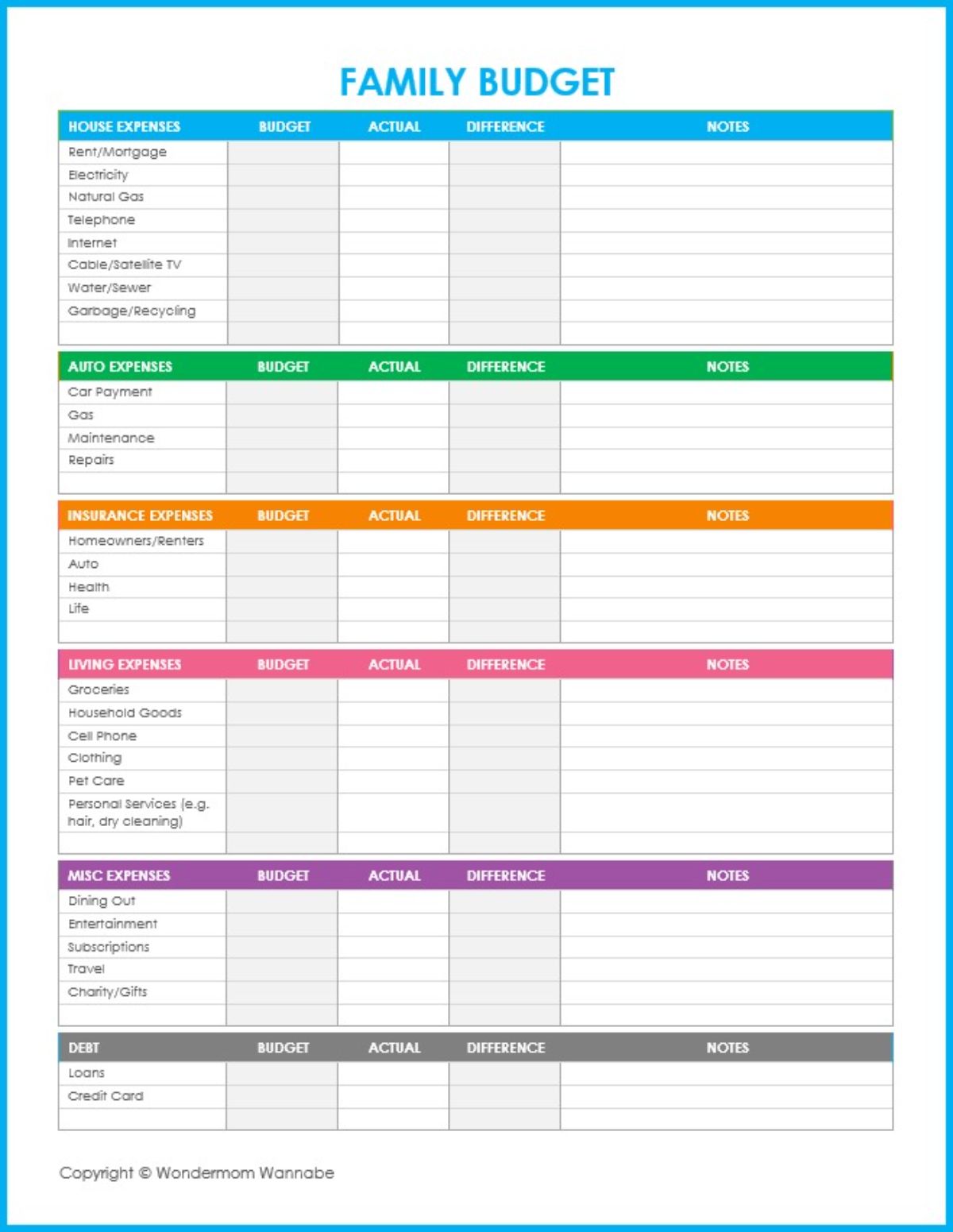
Before diving into the worksheet, take a moment to assess your financial situation. Consider your income sources, such as your job, side hustles, or allowances from your parents. Next, list your monthly expenses, including:
- Rent (if applicable or a contribution to household expenses)
- Utilities (electricity, water, internet)
- Groceries
- Transportation (gas, public transit)
- Insurance (health, auto)
- Entertainment (subscriptions, outings)
This step is essential because understanding where your money goes helps you make informed decisions. The Budget For Adults Living With Parents Worksheet will guide you in categorizing these expenses, making it easier to identify areas where you can save.
Setting Up the Budget Worksheet
Once you’ve assessed your financial situation, it’s time to set up your worksheet. You can create your own on paper or download a pre-designed template that suits your needs. When using the Budget For Adults Living With Parents Worksheet, keep the following sections in mind:
Income Section
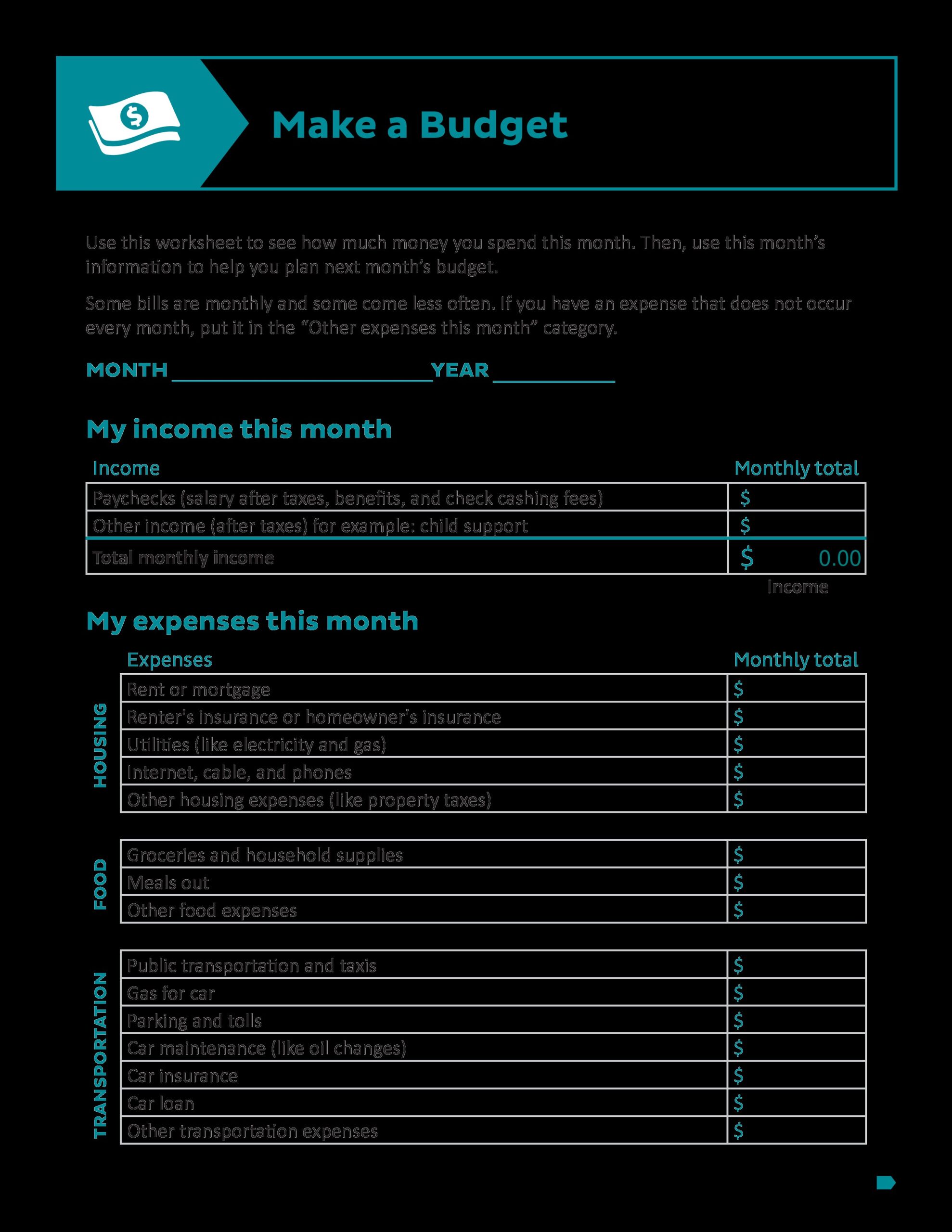
Start by listing all your income sources in the designated section. Include:
- Monthly salary (after taxes)
- Any freelance or side job income
- Allowances or financial support from parents
This section provides a clear picture of your financial inflow, which is crucial for budgeting.
Fixed Expenses
Next, outline your fixed expenses. These are costs that remain consistent each month. Common examples include:
- Rent or contributions to household bills
- Insurance premiums
- Subscriptions (streaming services, gym memberships)
By clearly identifying these expenses, you can pinpoint how much of your income is already committed.
Variable Expenses
Variable expenses can fluctuate from month to month. This section of the worksheet will help you track things like:
- Groceries
- Dining out
- Entertainment
- Clothing
Keeping an eye on these expenses is vital for managing your budget effectively. If you notice overspending in certain areas, you can adjust your habits accordingly.
Tracking and Adjusting Your Budget
After filling out your worksheet, the next step is to track your expenses regularly. Set aside time each week or month to review your spending against your budget. This practice helps you identify patterns and areas for improvement.
If you find that you’re consistently overspending in one category, consider making adjustments. For example, if dining out is taking a significant portion of your budget, you might decide to limit restaurant visits or cook more meals at home. The goal is to ensure that your spending aligns with your financial goals.
Setting Financial Goals
The Budget For Adults Living With Parents Worksheet isn’t just about tracking expenses; it also encourages you to set financial goals. Think about what you want to achieve in the short term (like saving for a new phone) and long term (like moving out or going back to school).
Short-Term Goals
Identify goals you want to accomplish within the next year. These might include:
- Saving a specific amount for an emergency fund
- Paying off a credit card
- Setting aside money for a trip
Long-Term Goals
Consider what you want to achieve over the next few years. This could involve:
- Saving for a down payment on a house
- Contributing to retirement accounts
- Investing in further education or training
By writing down these goals on your worksheet, you create a visual reminder of what you’re working towards, motivating you to stick to your budget.
Finding Accountability
Sticking to a budget can be challenging, especially when you’re living with parents. One way to boost your commitment is to find an accountability partner. This could be a friend, sibling, or even a parent who understands your financial goals. Regular check-ins can help you stay on track and provide support when you face challenges.
Regular Reviews
Set up a monthly meeting with your accountability partner to review your budget and progress towards your financial goals. Discuss any hurdles you face and brainstorm solutions together. This collaborative approach can also make budgeting feel less isolating and more manageable.
Utilizing Additional Resources
While the Budget For Adults Living With Parents Worksheet is a fantastic start, consider exploring other resources to enhance your financial literacy. Websites, books, podcasts, and courses about personal finance can provide valuable insights and tips. Here are some areas to explore:
- Budgeting Apps: Consider downloading budgeting apps that can sync with your bank accounts and help track spending in real-time.
- Financial Education: Look for online courses or workshops that focus on personal finance. Many local community centers or libraries offer free classes.
- Savings Challenges: Participate in savings challenges that encourage you to save a specific amount over a period of time, making it fun and engaging.
Taking Action
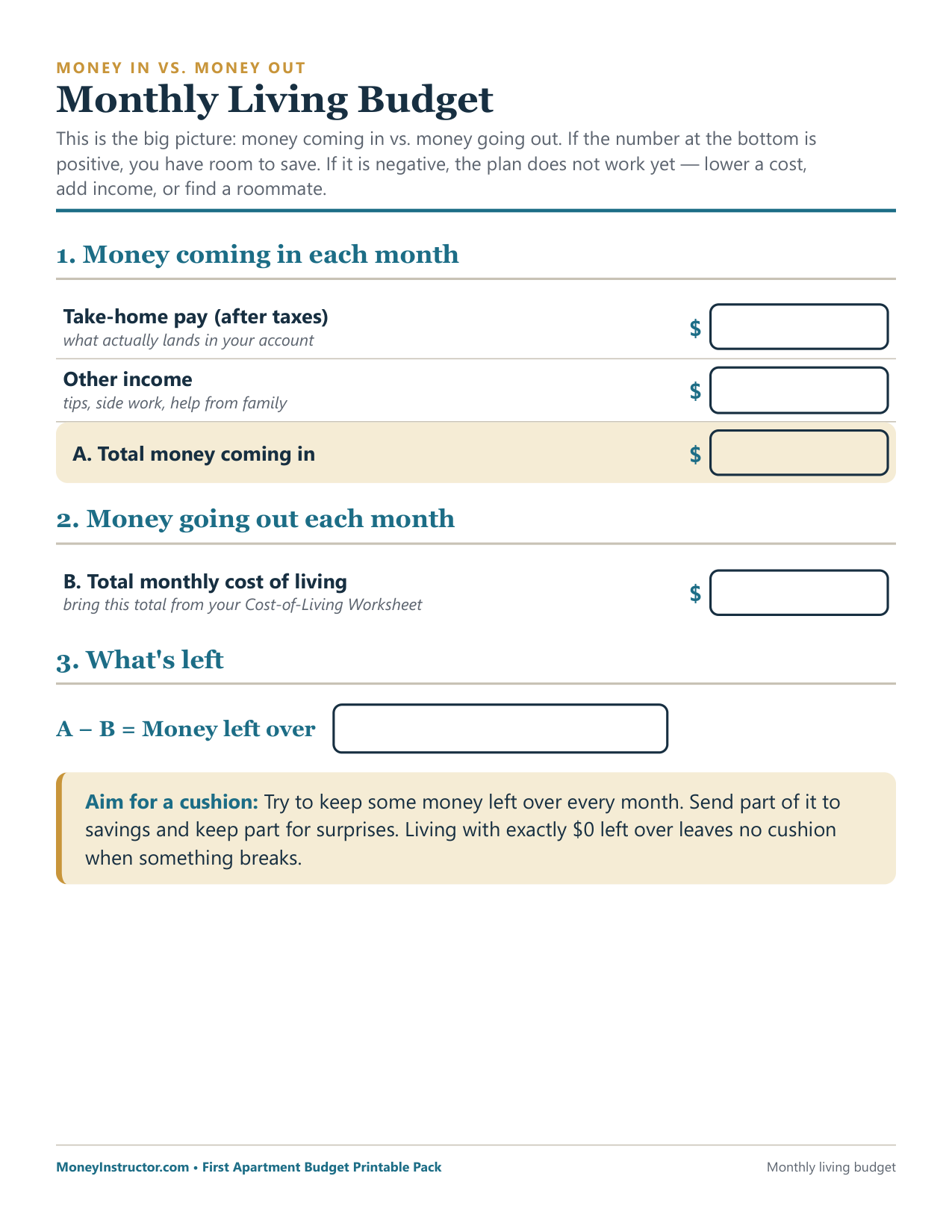
Now that you have a clear understanding of how to use the Budget For Adults Living With Parents Worksheet, it’s time to take action. Start by downloading or creating your worksheet today. Take a close look at your income, expenses, and goals. Remember to review and adjust your budget regularly to stay on track.
As you embark on this budgeting journey, keep in mind that it’s a learning process. Mistakes will happen, and that’s okay. The key is to stay committed and adaptable. By taking control of your finances, you’re one step closer to achieving your independence and financial freedom.
To begin, print out your worksheet today and start filling it in. This simple action can have a significant impact on your financial future.