The Boy Scout Personal Management Budget Worksheet stands out as a valuable resource for teaching young scouts essential budgeting skills. This worksheet is designed to help scouts understand the importance of managing their finances effectively. By utilizing this printable resource, scouts will gain practical experience in budgeting, a skill that will benefit them throughout their lives.
Understanding the Layout of the Worksheet
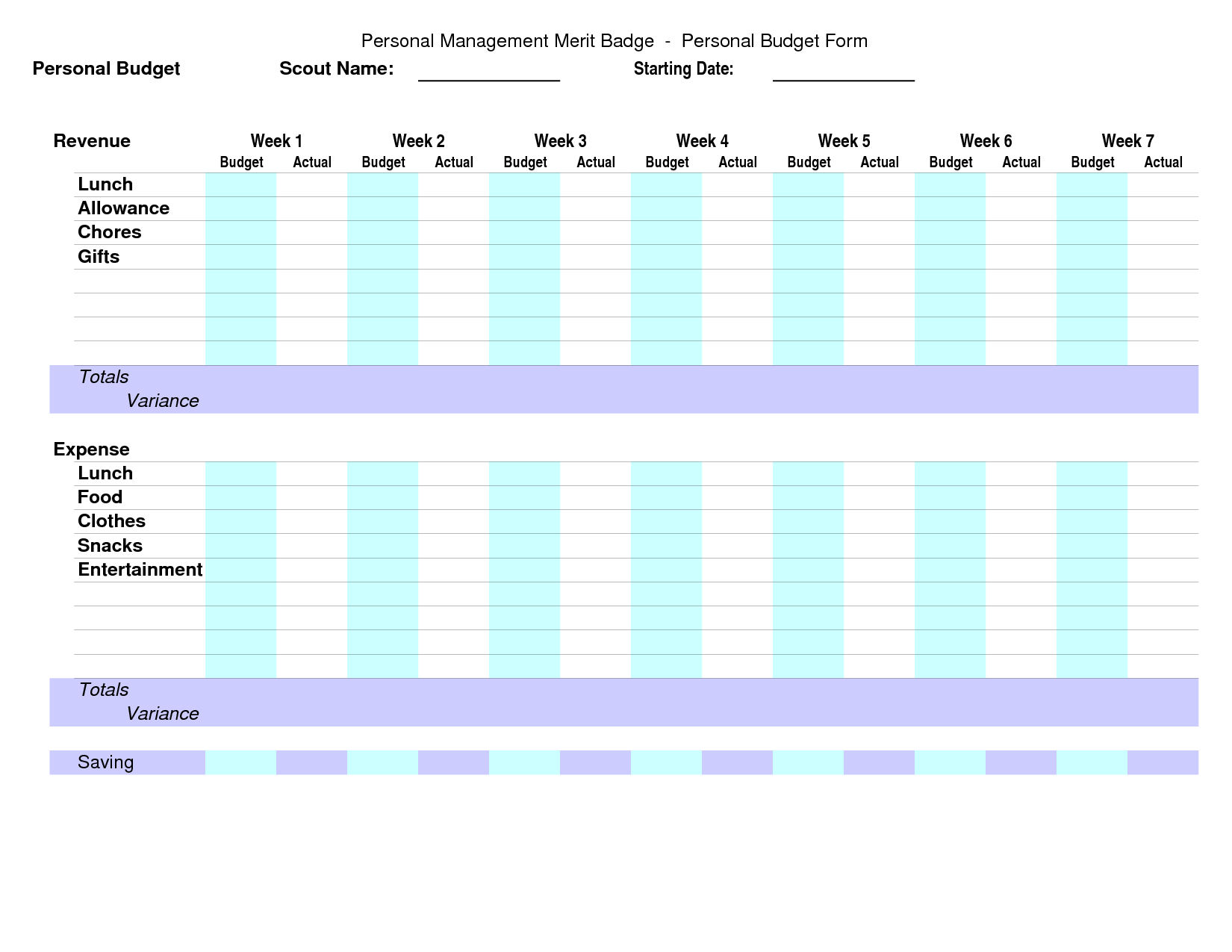
The Boy Scout Personal Management Budget Worksheet features a user-friendly layout that facilitates easy navigation and comprehension. Typically, the worksheet is divided into several key sections, each designed to capture specific financial information.
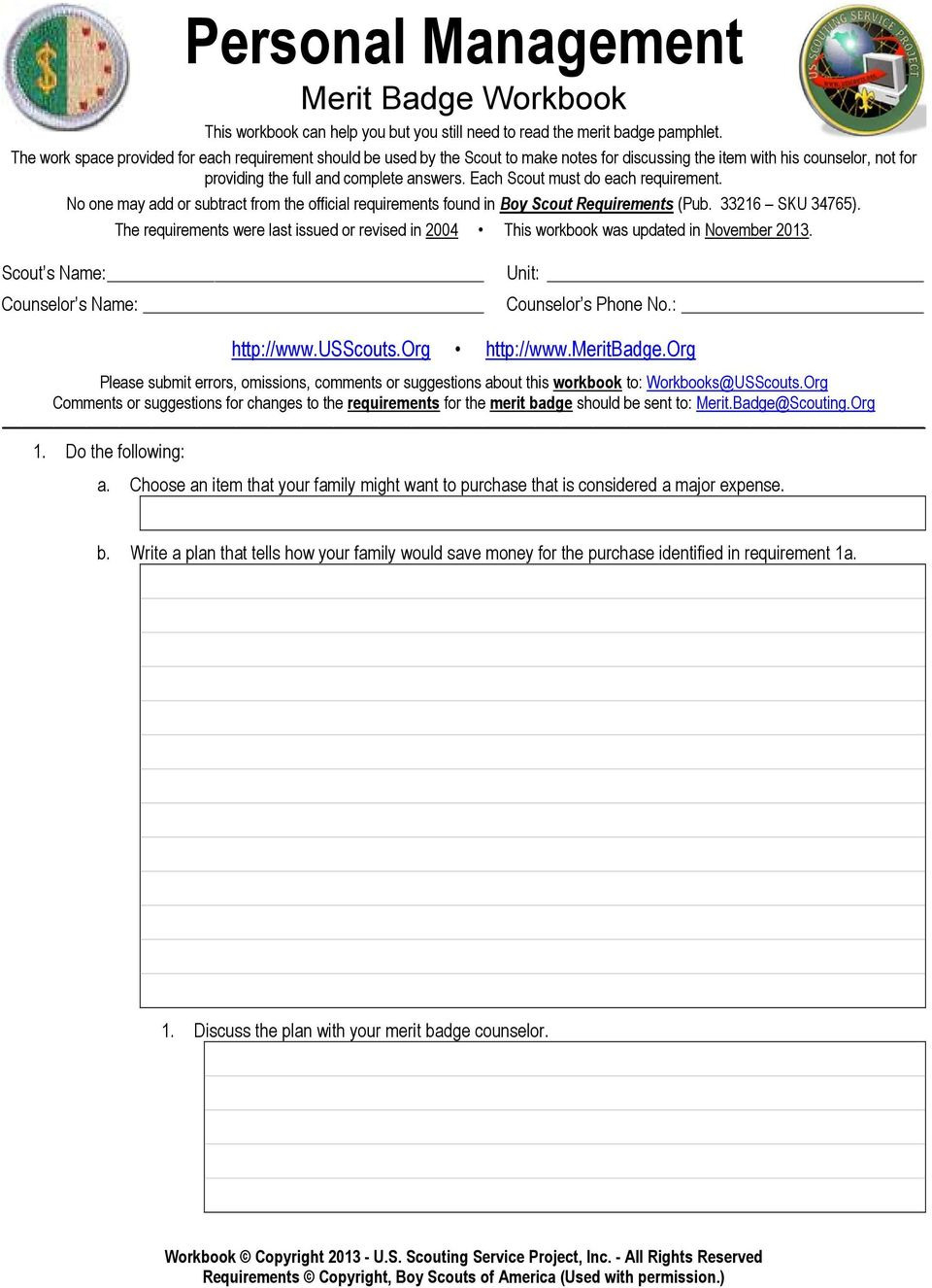
At the top of the worksheet, you’ll find spaces for the scout’s name, date, and troop number. This personalization helps scouts take ownership of their financial learning experience. Below this header, the worksheet is organized into categories such as income, expenses, savings, and goals. Each category is clearly labeled, making it easy for scouts to fill in their financial information.
The design choice to use distinct sections allows for a clear overview of the scout’s financial situation. It’s important to note that the worksheet often includes both a monthly and annual overview, which helps scouts visualize their budgeting across different time frames.
Key Sections of the Budget Worksheet
Income Section
The income section is where scouts will list all sources of income, such as allowances, earnings from chores, or money received as gifts. This section encourages scouts to think critically about all the ways they can earn money.
- Categories to Include: Scouts can break down their income into various categories to understand where their money comes from. For example, they might include “chores,” “birthday gifts,” or “odd jobs.”
Scouts should tally their total income at the bottom of this section. This total serves as the foundation for their budgeting process, allowing them to see how much money they have available to manage.
Expenses Section
In the expenses section, scouts will list their anticipated expenditures. This part of the worksheet is crucial for teaching scouts about financial responsibility.
- Common Expense Categories: The worksheet typically prompts scouts to consider categories such as:
- Snacks and treats
- Activities and outings
- Savings for larger goals (like a new bike or camping gear)
By breaking down expenses into categories, scouts can see where their money goes and learn to prioritize their spending. This exercise highlights the importance of distinguishing between needs and wants.
Savings and Goals
A unique feature of the Boy Scout Personal Management Budget Worksheet is the dedicated section for savings and financial goals. Here, scouts can set short-term and long-term financial objectives, such as saving for a camping trip or a new gadget.
- Setting Goals: Scouts are encouraged to write down specific amounts they aim to save and the time frame for achieving these goals. This practice fosters a sense of accountability and helps scouts track their progress over time.
Mastering Budgeting Skills
Using the worksheet is more than just filling in numbers; it’s about mastering budgeting skills. As scouts work through the worksheet, they will learn to analyze their incomes and expenses, which is a vital skill for financial literacy.
Tracking Progress
Progress tracking is an essential part of the learning process. Encourage scouts to review their budgets regularly—at least monthly. This practice allows them to see if they are sticking to their budgets and making progress toward their savings goals.
- Indicators of Mastery: Mastery of budgeting can be observed in several ways:
- Scouts should be able to explain their income sources and how they plan to allocate funds.
- They should demonstrate the ability to adjust their budgets based on changing circumstances, such as unexpected expenses or additional income.
Parents and troop leaders can support this learning by engaging in discussions about financial choices. This dialogue reinforces the skills learned through the worksheet and helps scouts apply them to real-world scenarios.
Best Practices for Using the Worksheet
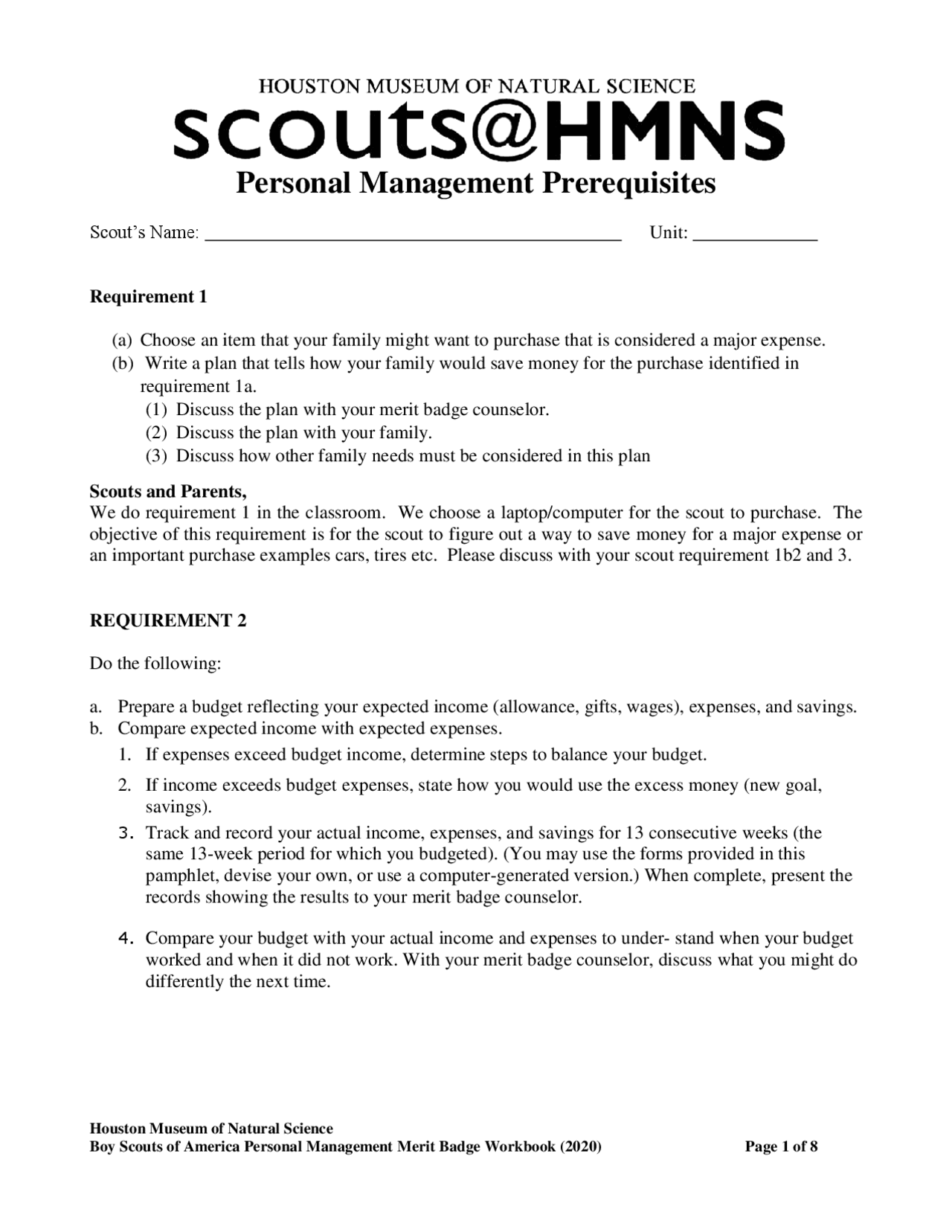
To maximize the effectiveness of the Boy Scout Personal Management Budget Worksheet, consider these best practices:
- Print on Cardstock: For durability, print the worksheet on cardstock. This will allow scouts to use it multiple times without it wearing out.
- Use a Clear Binder: Place the worksheet in a clear binder to keep it protected. This also allows for easy updates and adjustments as scouts’ financial situations change.
- Regular Review Sessions: Schedule regular check-ins with scouts to review their budgets. This can be a fun activity where they share their experiences and challenges in managing their finances.