Managing household finances can be daunting, especially when trying to keep track of expenses over time. A Bi Weekly Household Budget Worksheet is an essential tool that can simplify this process, allowing you to plan and monitor your spending every two weeks. By breaking down your budget into manageable segments, you can make informed decisions about your finances, ensuring that you stay within your means and save for future goals.
Understanding the Bi Weekly Household Budget Worksheet
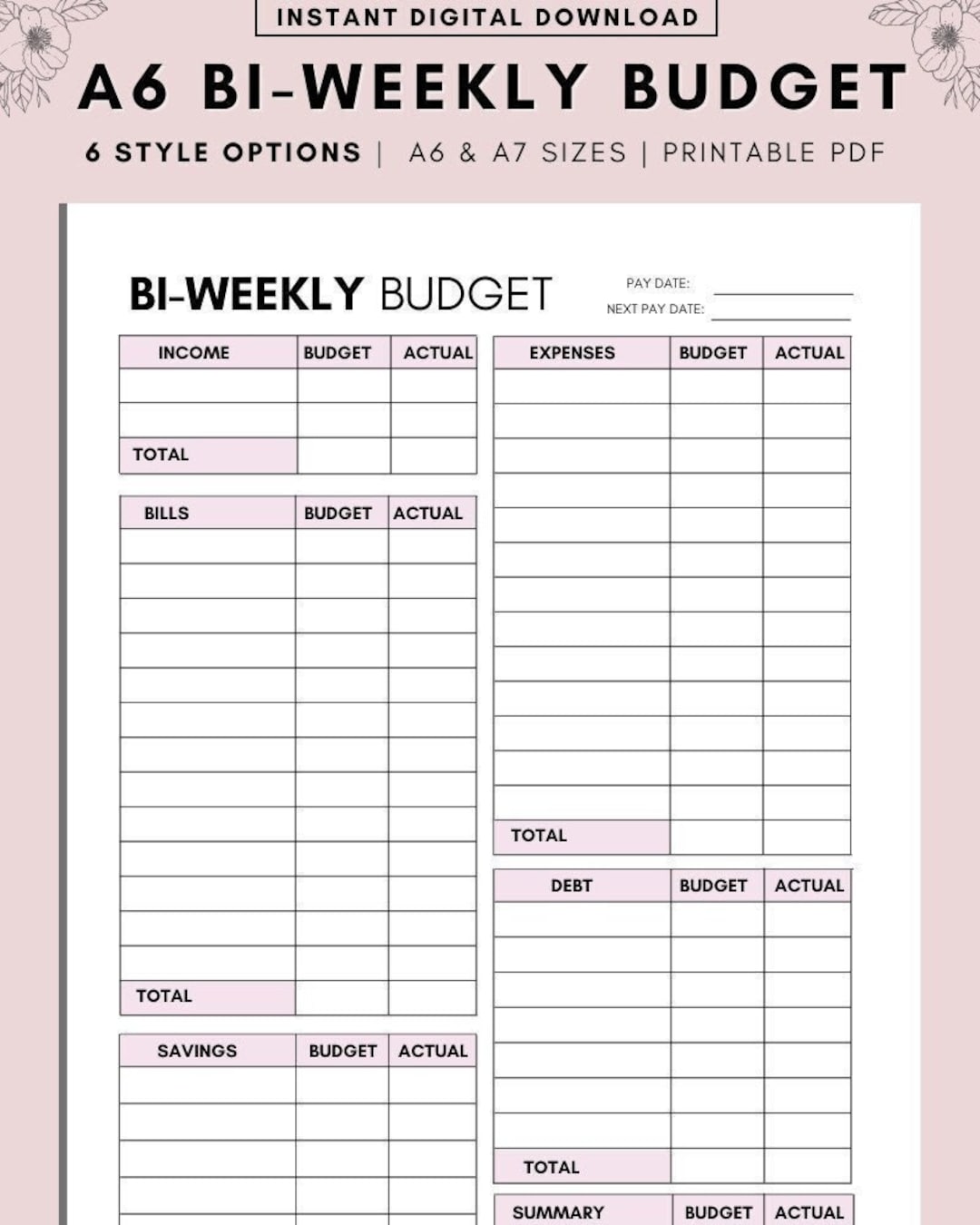
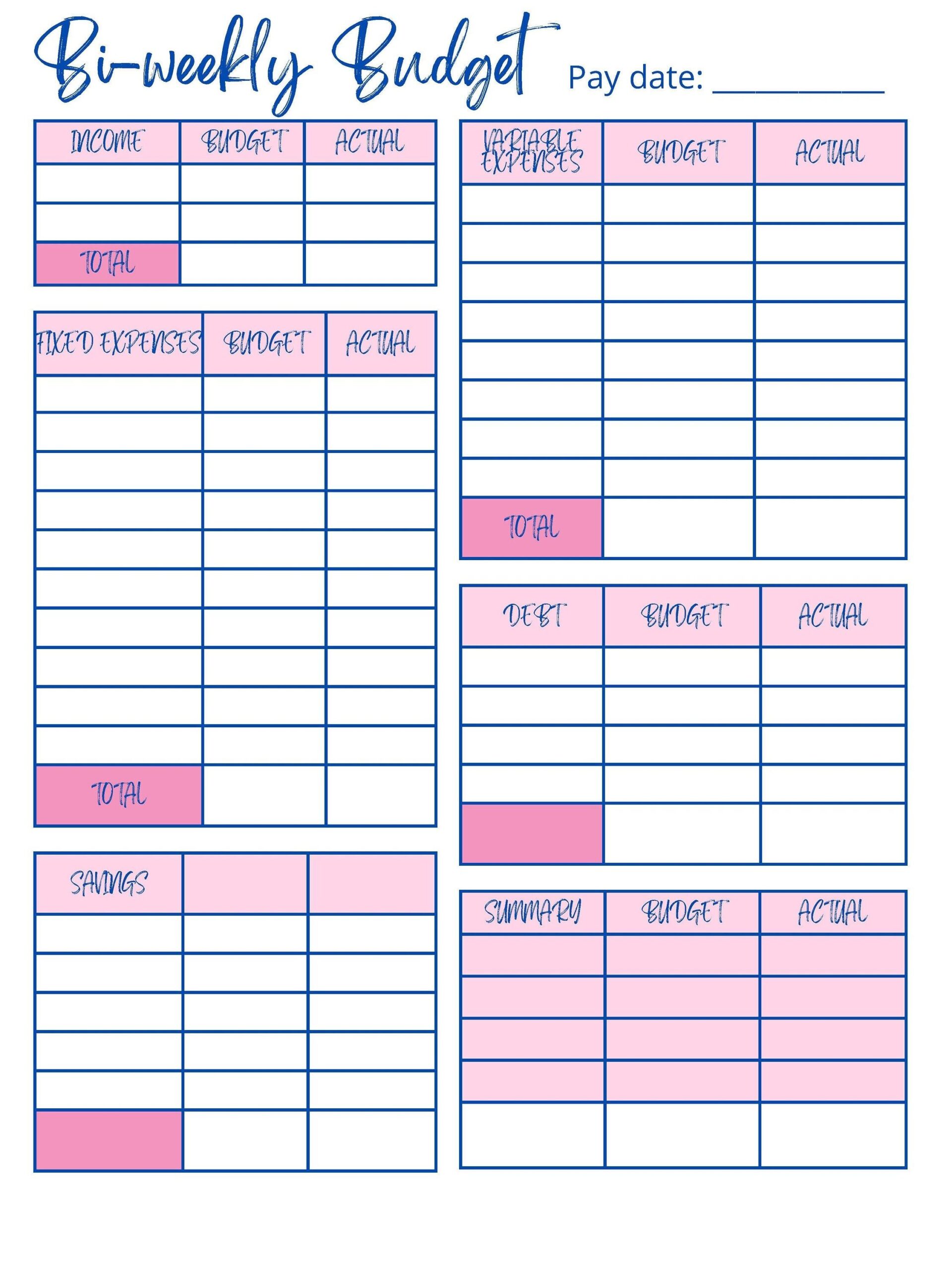
A Bi Weekly Household Budget Worksheet typically includes sections for income, fixed expenses, variable expenses, and savings. This structured layout helps in tracking every dollar that comes in and goes out of your household. The key components often found in this worksheet include:
- Income: Include all sources of income, such as salaries, bonuses, and any side jobs.
- Fixed Expenses: Regular monthly payments like rent or mortgage, utilities, and insurance.
- Variable Expenses: Costs that can fluctuate, including groceries, dining out, and entertainment.
- Savings & Goals: Allocate funds for savings, retirement, or specific goals, like vacations or home improvements.
Using this worksheet can significantly enhance your financial literacy and help identify spending patterns.
How to Use the Worksheet Effectively
To get the most out of a Bi Weekly Household Budget Worksheet, follow these steps:
- Download and Print: Ensure you have a clean copy of the worksheet. A PDF version is ideal as it preserves formatting and can easily be printed on standard letter-sized paper (8.5 x 11 inches).
- Fill in Your Income: Start by listing your total income for the bi-weekly period. This includes all sources of revenue to have a clear picture of what you can spend.
- Estimate Fixed Expenses: Write down all fixed expenses that occur during this period. This will help you understand your non-negotiable costs.
- Project Variable Expenses: Based on past spending, estimate your variable expenses. Look at previous weeks to set realistic expectations.
- Allocate for Savings: It’s crucial to set aside money for savings. Determine how much you want to save during this period, and include it in your budget.
- Track Progress: As you spend throughout the two weeks, keep the worksheet handy and update it regularly. This real-time tracking helps maintain financial discipline.
- Review and Adjust: At the end of the period, review your spending against your budget. If you overspent in one category, adjust your budget for the next cycle accordingly.
Benefits of Using a Bi Weekly Household Budget Worksheet
Utilizing a Bi Weekly Household Budget Worksheet offers numerous advantages:
- Enhanced Awareness: Regularly updating your budget increases awareness of your spending habits and can highlight areas where you may need to cut back.
- Improved Financial Planning: It aids in planning for future expenses and savings, allowing you to prepare for upcoming financial responsibilities.
- Reduced Financial Stress: Keeping a clear record of finances can alleviate stress by providing a structured approach to managing money.
- Encouragement to Save: By explicitly allocating funds for savings, you’re more likely to follow through and build financial security.
Common Pitfalls to Avoid
While using a Bi Weekly Household Budget Worksheet can be very effective, there are common mistakes to be aware of:
- Underestimating Expenses: Be realistic when estimating variable expenses. It’s easy to overlook things like gifts or unexpected repairs.
- Neglecting to Update: Failing to regularly update the worksheet can lead to inaccuracies and mismanagement of funds.
- Not Reviewing the Budget: After each cycle, take the time to review your budget. Identify trends and adjust your future budgets based on past performance.
By avoiding these pitfalls, you can make your budgeting process much smoother and more effective.
Tips for Maintaining Your Budget
To ensure that your budgeting efforts are sustainable, consider these tips:
- Set Reminders: Use your phone or calendar to set reminders for when to update your worksheet.
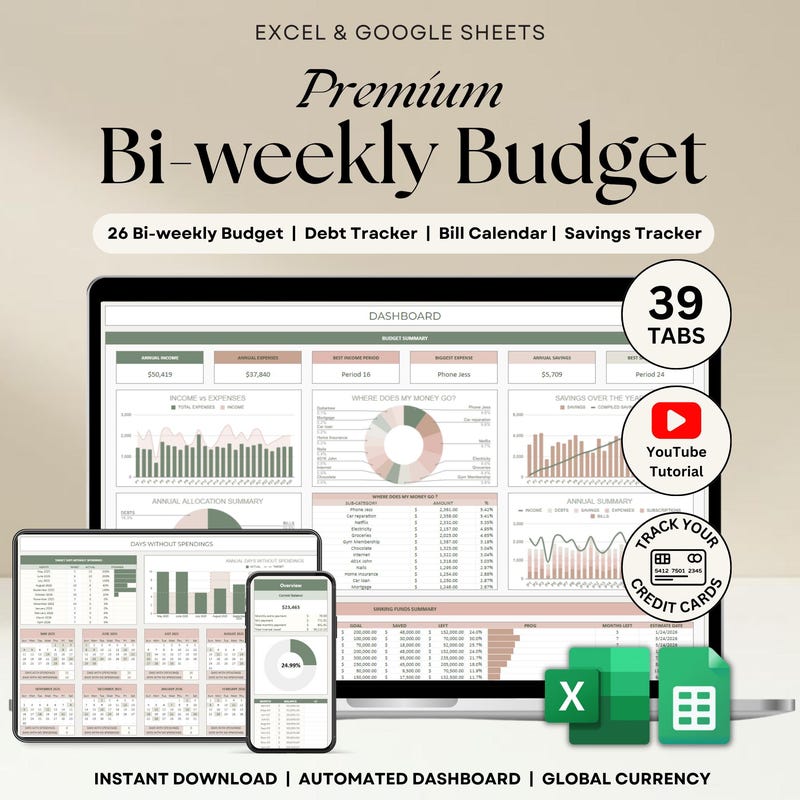
- Use Digital Tools: If paper worksheets feel cumbersome, consider transitioning to a digital budgeting tool that allows for more flexibility and easier updates.
- Involve the Family: If budgeting for a household, include family members in the process. This promotes accountability and ensures everyone is on the same page regarding financial goals.
Incorporating a Bi Weekly Household Budget Worksheet into your financial routine can empower you to take control of your finances. By breaking down your budget into manageable parts, tracking your expenses, and adjusting as needed, you can achieve your financial goals more effectively. Start today by downloading a worksheet and taking the first step towards a more organized financial future.