Managing personal finances can be challenging, especially for young adults just starting their financial journey. A Basic Budget Worksheet For Young Adults is an invaluable tool for those looking to gain control over their spending, save for future goals, and build a solid financial foundation. This guide will help you understand how to choose, download, print, set up, and effectively use this resource.
Understanding the Importance of Budgeting
Before diving into the specifics of the Basic Budget Worksheet, it’s crucial to grasp why budgeting is essential. A budget helps you track your income and expenses, allowing you to make informed decisions about your finances. By setting financial goals and sticking to a budget, you can avoid unnecessary debt and build savings for future needs.
For young adults, budgeting can seem daunting, but it doesn’t have to be. A straightforward worksheet breaks down your financial landscape into manageable parts, making it easier to visualize where your money goes each month.
Choosing the Right Basic Budget Worksheet
When selecting a Basic Budget Worksheet For Young Adults, consider these factors:
- Format: Ensure the worksheet is available in a format that suits your needs. PDFs are often preferred for their consistent formatting across devices.
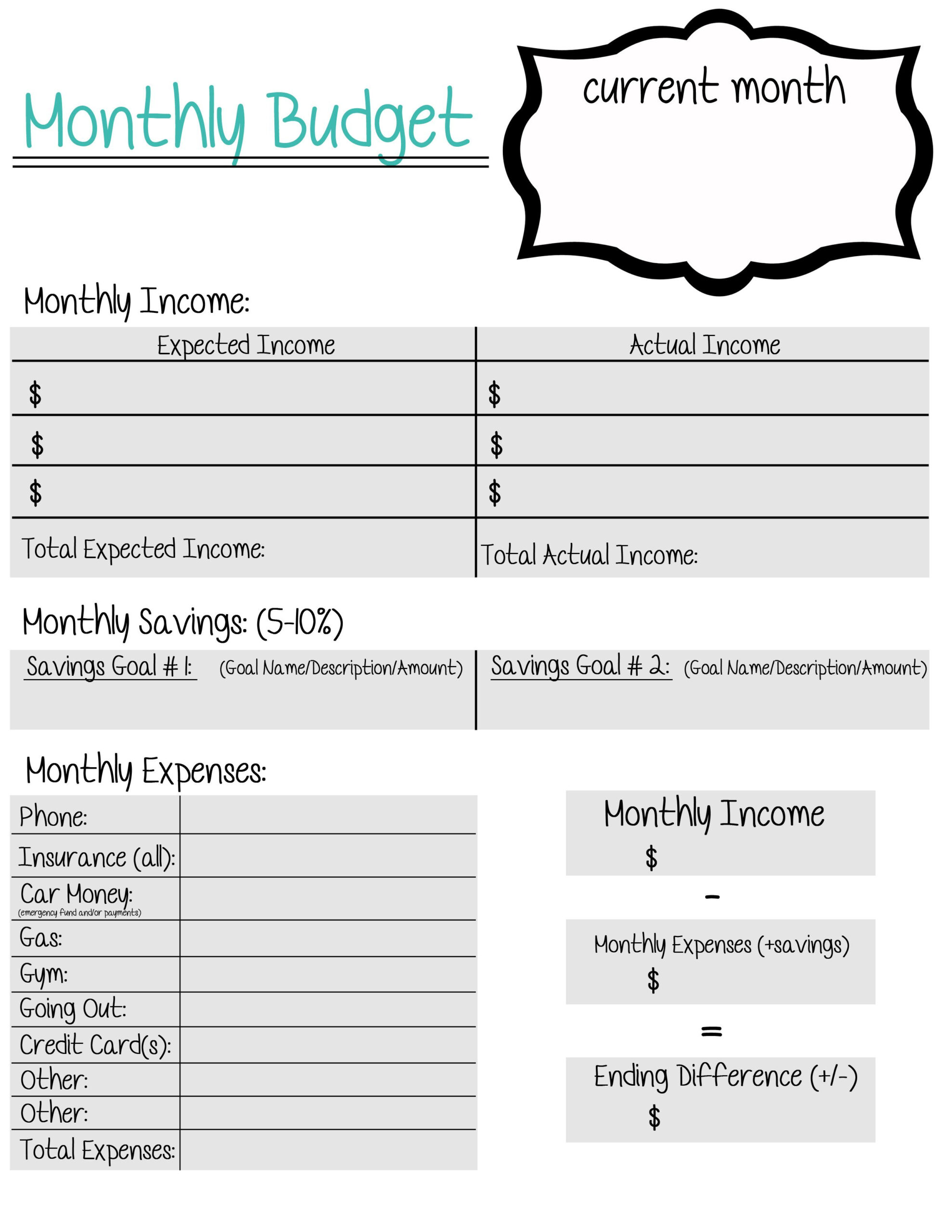
- Simplicity: Look for a worksheet that is easy to understand, with clear sections for income, expenses, savings, and goals.
- Customizability: Some worksheets allow you to add or remove categories based on your unique financial situation. This flexibility can be beneficial as your needs change.
- Printability: Verify that the worksheet is designed to be printed on standard letter-size paper (8.5 x 11 inches), which is the most common size for home printers.
Where to Find Printable Worksheets
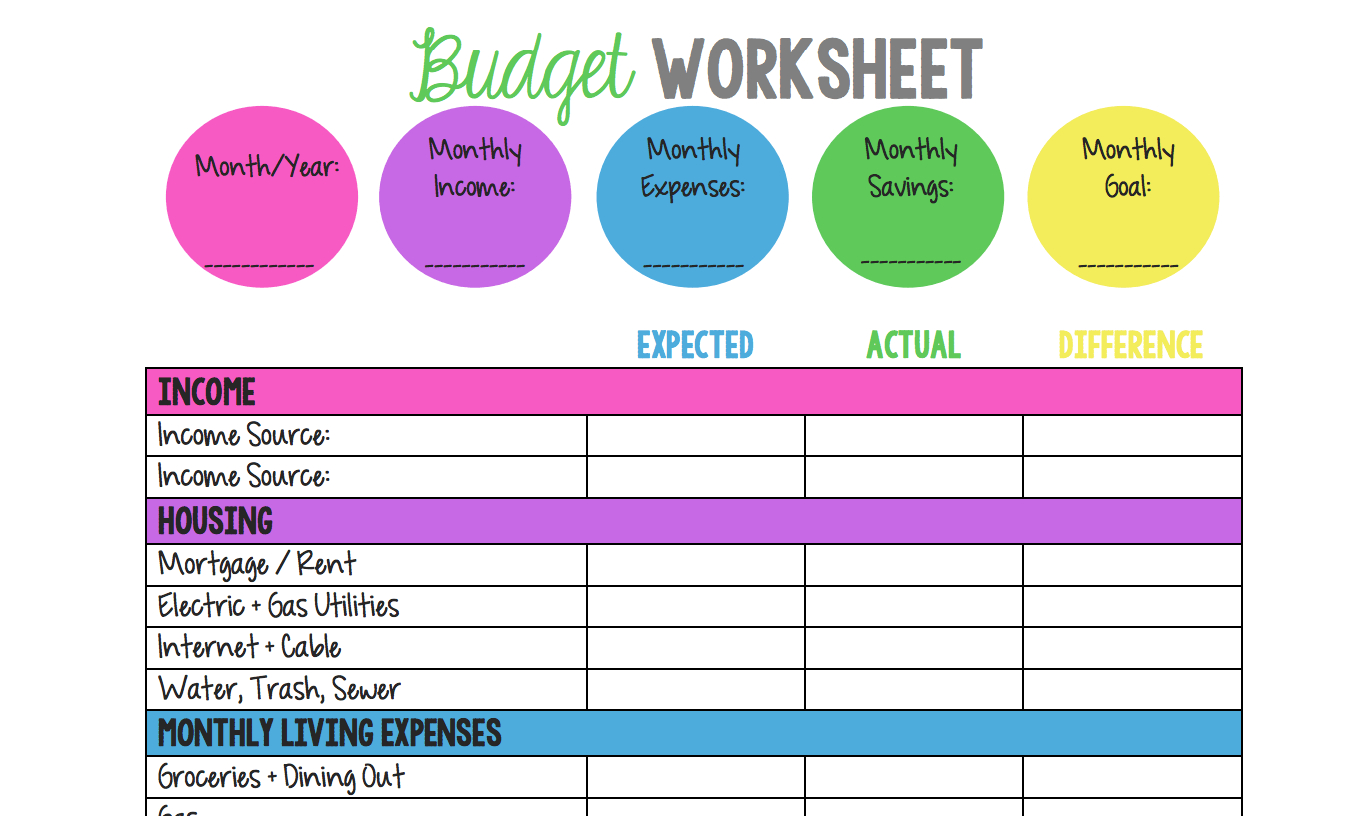
You can find a variety of Basic Budget Worksheets online. Websites dedicated to financial education often provide free downloads. Look for reputable sources that offer templates designed specifically for young adults, ensuring they cater to your specific financial circumstances.
Downloading and Printing the Worksheet
Once you’ve chosen your Basic Budget Worksheet, it’s time to download and print it. Follow these steps:
- Download the File: Click the download link on the website. Ensure it is in PDF format for the best print quality.
- Open the File: Locate the downloaded file on your computer and open it using a PDF reader. This helps avoid formatting issues that can occur with other file types.
- Set Up Your Printer: Make sure your printer is connected and has enough paper. For best results, use a standard portrait layout.
- Print the Worksheet: Select the print option. Use the default settings unless otherwise specified, as this usually provides the best quality.
If you plan to use the worksheet frequently, consider printing it on heavier paper or cardstock for durability, especially if you’ll be writing on it often.
Setting Up Your Basic Budget Worksheet
Now comes the most crucial step: setting up your worksheet. Here’s how to do it effectively:
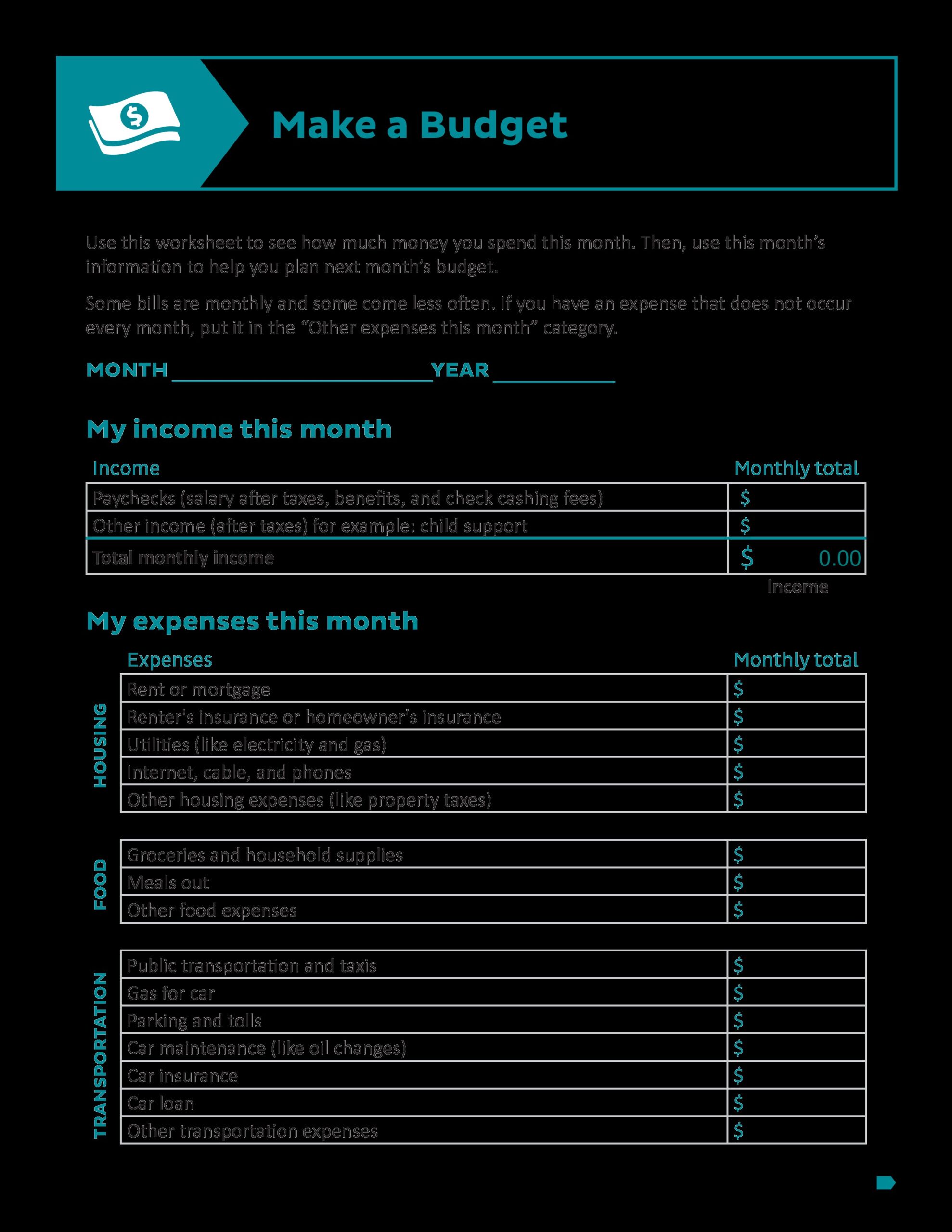
- Identify Your Income: List all sources of income, including your salary, side jobs, or allowances. This gives you a clear picture of how much money you have to work with.
- Categorize Your Expenses: Break your expenses into fixed and variable categories. Fixed expenses are those that don’t change month to month, such as rent or subscriptions, while variable expenses may include groceries, entertainment, and dining out.
- Allocate Savings: Determine how much you want to save each month. It’s a good practice to set aside at least 10% of your income for savings or future investments.
- Set Financial Goals: Identify short-term and long-term financial goals, such as saving for a trip, paying off student loans, or building an emergency fund. Write these goals down on your worksheet.
Using this structured approach will help you stay focused and intentional with your spending.
Using Your Budget Worksheet Effectively
Once your Basic Budget Worksheet is set up, it’s essential to use it regularly. Here are some tips on how to make the most of it:
- Update Monthly: At the beginning of each month, review your previous month’s spending. Adjust your budget based on any changes in income or expenses.
- Track Spending: As you spend throughout the month, record your actual expenses in your worksheet. This helps you stay accountable and aware of your financial habits.
- Review Goals: Regularly check in on your financial goals. Adjust your budget if necessary to ensure you’re on track to meet them.
- Stay Flexible: Life can be unpredictable. Be prepared to adjust your budget as needed. If an unexpected expense arises, reassess your spending categories to find areas where you can cut back.
The key is consistency. The more you engage with your budget, the more effective it will be in helping you manage your finances.