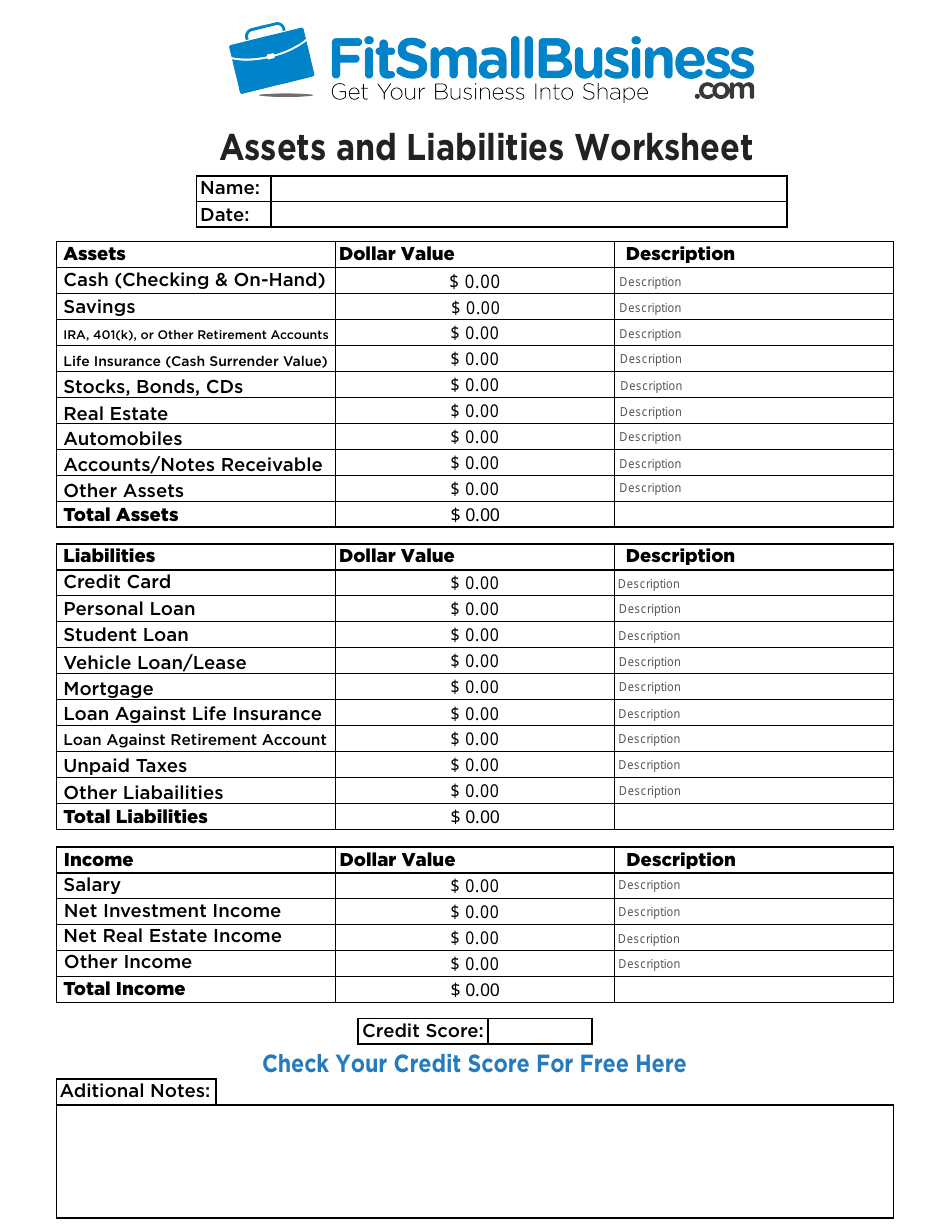
The Asset And Liability Budget Worksheet is a practical tool designed to help you manage your personal finances effectively. This worksheet allows you to clearly outline your assets and liabilities, providing a snapshot of your financial situation. By categorizing your finances, you can make informed decisions about budgeting, saving, and investing. In this guide, I’ll walk you through how to use this worksheet to streamline your financial planning.
Understanding Your Assets and Liabilities
To make the most of your Asset And Liability Budget Worksheet, it’s essential to understand what assets and liabilities are.
What Are Assets?
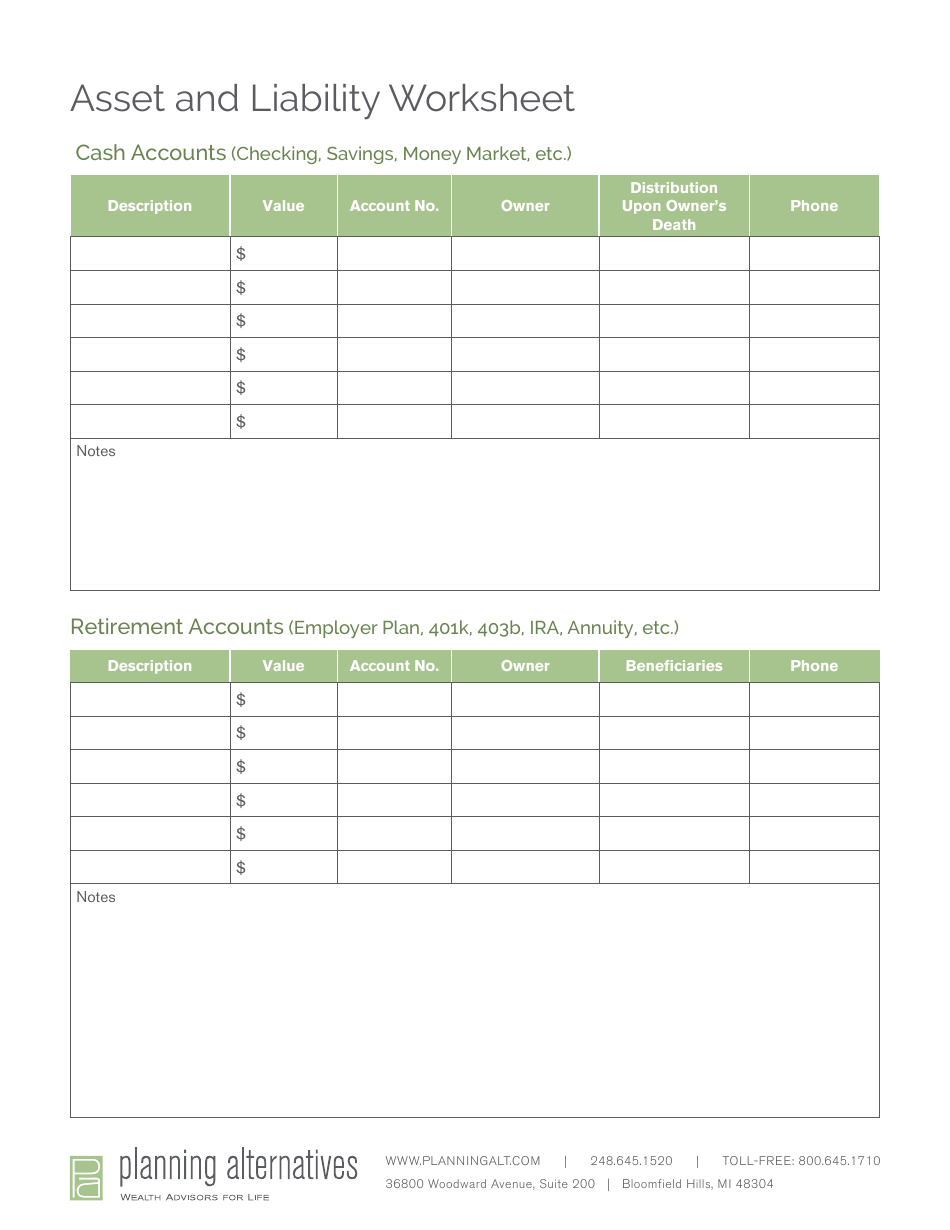
Assets are anything you own that has value. This can include cash, real estate, vehicles, investments, and personal property. When filling out your worksheet, you’ll want to list these items clearly. For example:
- Cash in savings and checking accounts
- Stocks, bonds, and mutual funds
- Real estate properties
- Vehicles like cars, boats, or motorcycles
By adding up your assets, you gain insight into your total net worth, which is crucial for effective budgeting.
What Are Liabilities?
Liabilities, on the other hand, are what you owe to others. This includes debts like mortgages, car loans, credit card balances, and student loans. On your worksheet, you should include:
- Mortgage balances
- Car loans
- Credit card debt
- Personal loans
Understanding your liabilities is just as important as knowing your assets. By subtracting your total liabilities from your total assets, you can determine your net worth, which helps you assess your financial health.
How to Fill Out Your Asset And Liability Budget Worksheet
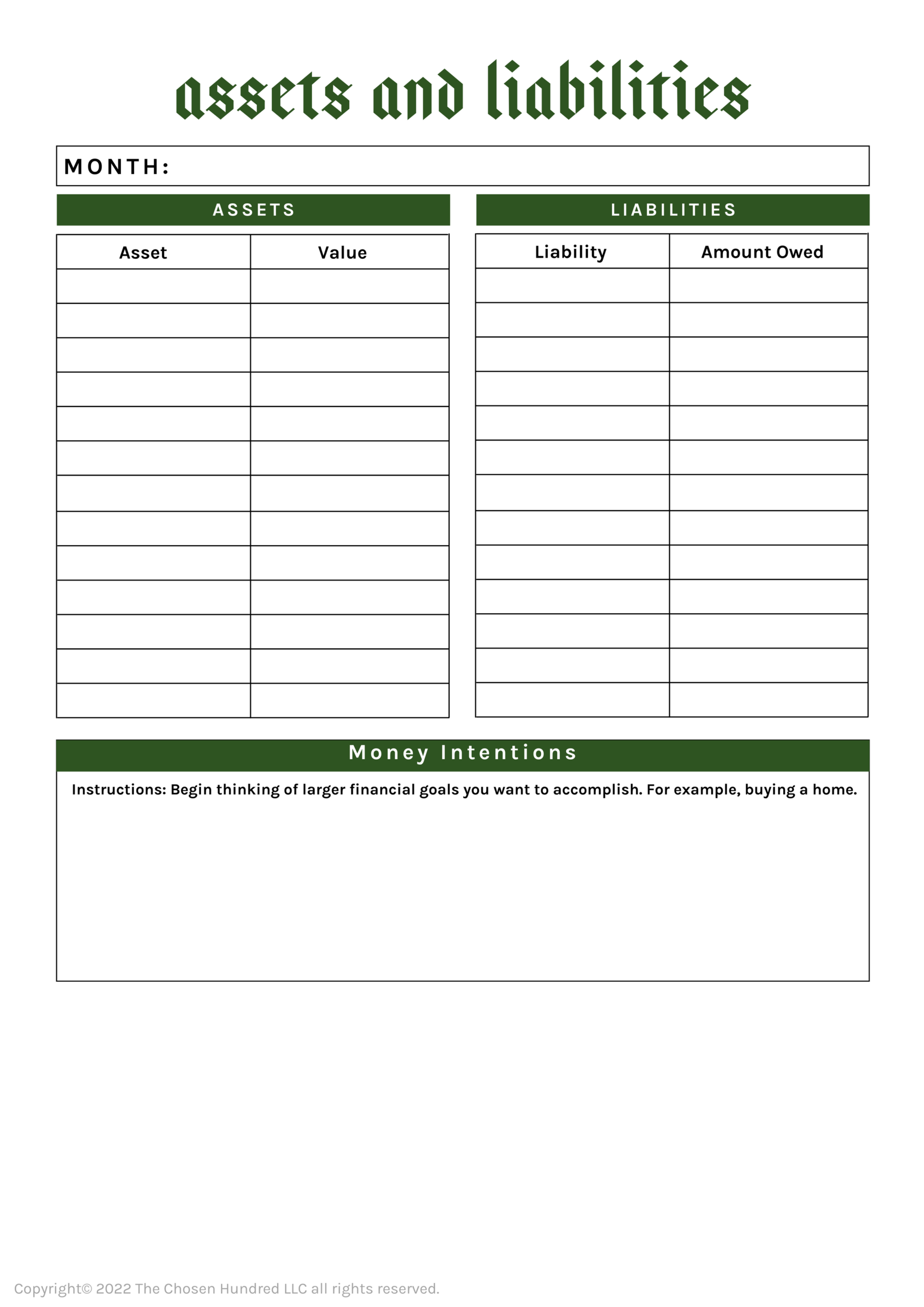
The layout of the Asset And Liability Budget Worksheet is straightforward, making it easy to fill out. Here’s a step-by-step guide on how to complete it.
- Gather Financial Statements: Before you start, collect your bank statements, investment reports, and loan documents. This will ensure you have accurate numbers to work with.
- List Your Assets: On the worksheet, there will be sections dedicated to various types of assets. Begin by filling in the cash section, then move to investments and finally to property and personal items. Be sure to include current values, as these can fluctuate.
- List Your Liabilities: Next, fill in your liabilities. The worksheet will likely have sections for short-term and long-term debts. Be honest about what you owe to get a clear picture of your financial situation.
- Calculate Your Net Worth: Once you have filled in both sections, calculate your net worth by subtracting total liabilities from total assets. This number is essential as it indicates your overall financial health.
- Review and Adjust: After completing the worksheet, take some time to review your finances. If your liabilities exceed your assets, consider strategies to reduce debt or increase savings.
Utilizing the Worksheet for Budgeting
After completing the Asset And Liability Budget Worksheet, you can use it as a foundation for budgeting. Here’s how:
- Identify Spending Patterns: Look at your liabilities, especially recurring expenses like loan payments and credit card bills. This can help you identify areas where you might cut back.
- Set Financial Goals: Based on your net worth and your spending patterns, set achievable financial goals. Whether it’s saving for a vacation, paying off debt, or building an emergency fund, having specific goals can keep you motivated.
- Track Progress: Use the worksheet regularly to track your progress. Update it monthly or quarterly to see how your financial situation changes over time. This can help you stay accountable and make necessary adjustments.
Practical Tips for Effective Use
To maximize the benefits of your Asset And Liability Budget Worksheet, consider these practical tips:
- Print Multiple Copies: Keep several printed copies handy. This way, you can fill them out periodically without worrying about making mistakes. Each version can reflect your financial situation at different times.
- Use Color-Coding: If you’re a visual learner, consider color-coding your assets and liabilities. For instance, use green for assets and red for liabilities. This can help you quickly assess your financial health at a glance.
- Set Reminders: Schedule regular check-ins with your worksheet. Whether it’s monthly or quarterly, setting reminders can help you stay on track with your financial management.
- Involve Your Family: If you manage finances with a partner or family, involve them in the process. This can lead to better financial decisions and shared accountability.
The Asset And Liability Budget Worksheet is a powerful resource for anyone looking to take control of their finances. By clearly outlining your assets and liabilities, you can better understand your financial health and make informed decisions moving forward. Remember, the key to effective financial management is consistency. By regularly updating and reviewing your worksheet, you’ll stay on top of your financial goals and adapt as necessary. One important detail to keep in mind is that this worksheet can be tailored to fit your personal financial situation, allowing you to customize it to your needs.