Managing a troop’s finances can be daunting, especially when you’re trying to keep track of various expenses and income sources. The Annual Troop Scout Budget Worksheet Df is designed specifically to simplify this process. By using this worksheet, you can efficiently plan your troop’s financial activities, ensuring that funds are allocated appropriately for events, supplies, and other essential items.
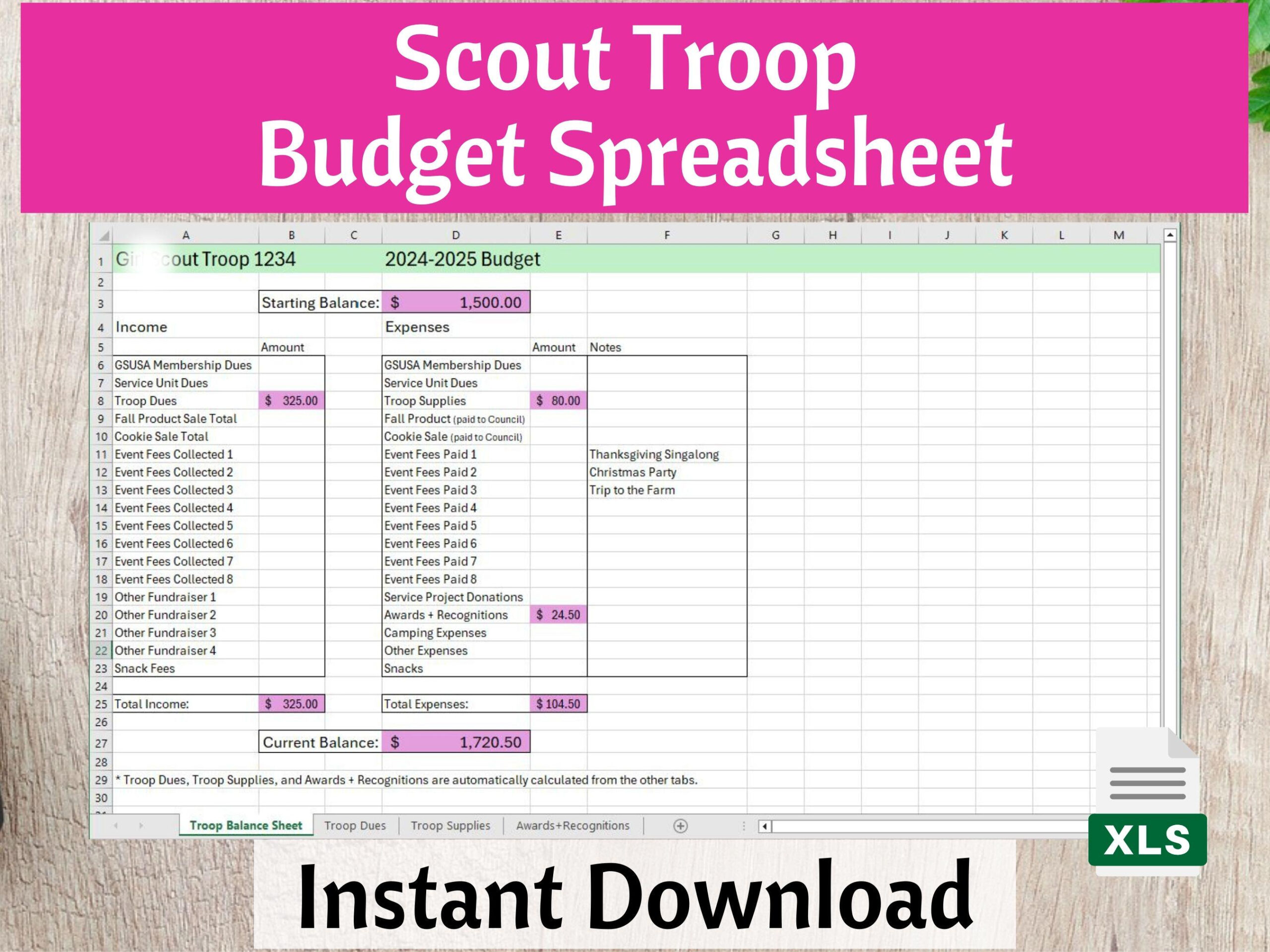
Understanding the Importance of a Budget Worksheet
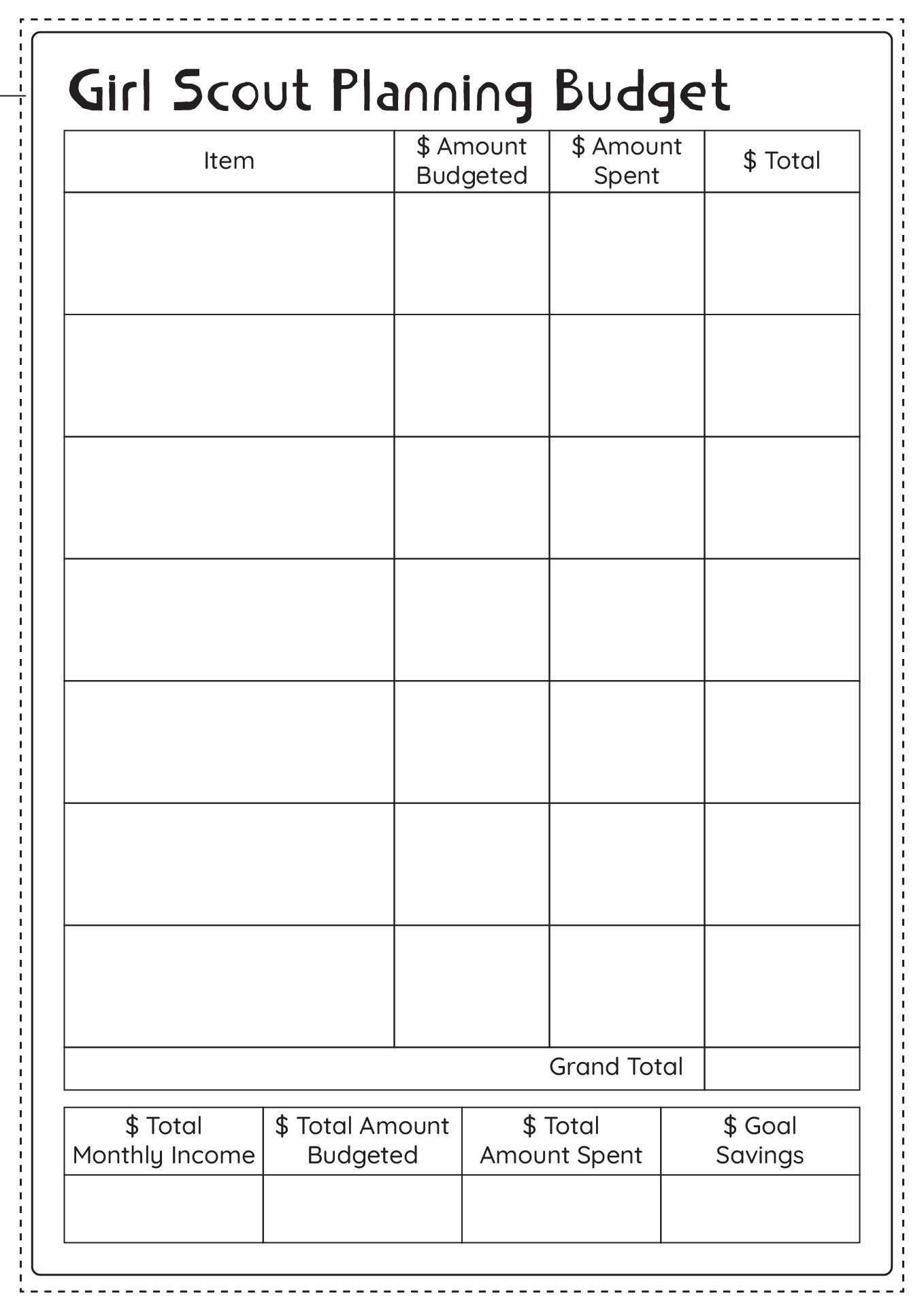
A budget worksheet is vital for any scout troop, as it helps members and leaders understand the troop’s financial landscape. It allows you to:
- Track income from fundraising efforts.
- Monitor expenditures for events and activities.
- Plan for future financial needs to ensure sustainability.
Using the Annual Troop Scout Budget Worksheet Df, you can create a clear financial roadmap for the year. This ensures that your troop can operate smoothly and effectively without running into financial surprises.
How to Use the Annual Troop Scout Budget Worksheet Df
When you download the Annual Troop Scout Budget Worksheet Df, you’ll typically find it in a user-friendly format, such as a PDF or Excel file. Here’s how to make the most of this resource:
- Download and Print: Start by downloading the worksheet from the printable-resource website. If you prefer a physical copy, print it on standard A4 or letter-sized paper. Using cardstock can enhance durability if you’re handling it frequently.
- List Your Income Sources: Begin by identifying all potential income sources for the troop. This can include:
- Fundraising events
- Membership fees
- Donations from local businesses or community members
- Outline Your Expenses: Next, list all anticipated expenses. Common expenses for scout troops may include:
- Camping gear and supplies
- Event fees (e.g., camping trips, competitions)
- Meeting materials (e.g., badges, patches)
- Allocate Funds: With both income and expenses outlined, allocate funds to each category based on priorities. Be realistic about what can be achieved within the available budget.
- Monitor and Adjust: Throughout the year, regularly update the worksheet with actual income and expenses. This will help you stay on track and make adjustments as needed. If an unexpected expense arises, you can reassess and shift funds accordingly.
Best Practices for Budgeting With Scouts
Creating a budget is more than just filling in numbers. It involves strategic planning and ongoing management. Here are some best practices to keep in mind:
- Involve Troop Members: Get input from older scouts on budgeting decisions. This teaches them financial responsibility and leadership skills while fostering a sense of ownership in the troop’s activities.
- Review Regularly: Set aside time during troop meetings to review the budget. This keeps everyone informed and can lead to discussions about future fundraising ideas or necessary adjustments.
- Save for Emergencies: It’s wise to set aside a small portion of the budget for unexpected expenses. This can be a lifesaver during unforeseen events or emergencies.
- Use Technology: If you’re comfortable with spreadsheets, consider using the Excel version of the Annual Troop Scout Budget Worksheet Df to automate calculations. This can save time and reduce errors.
Common Pitfalls to Avoid
While budgeting is crucial, there are common pitfalls that can lead to financial mismanagement. Here are a few to watch out for:
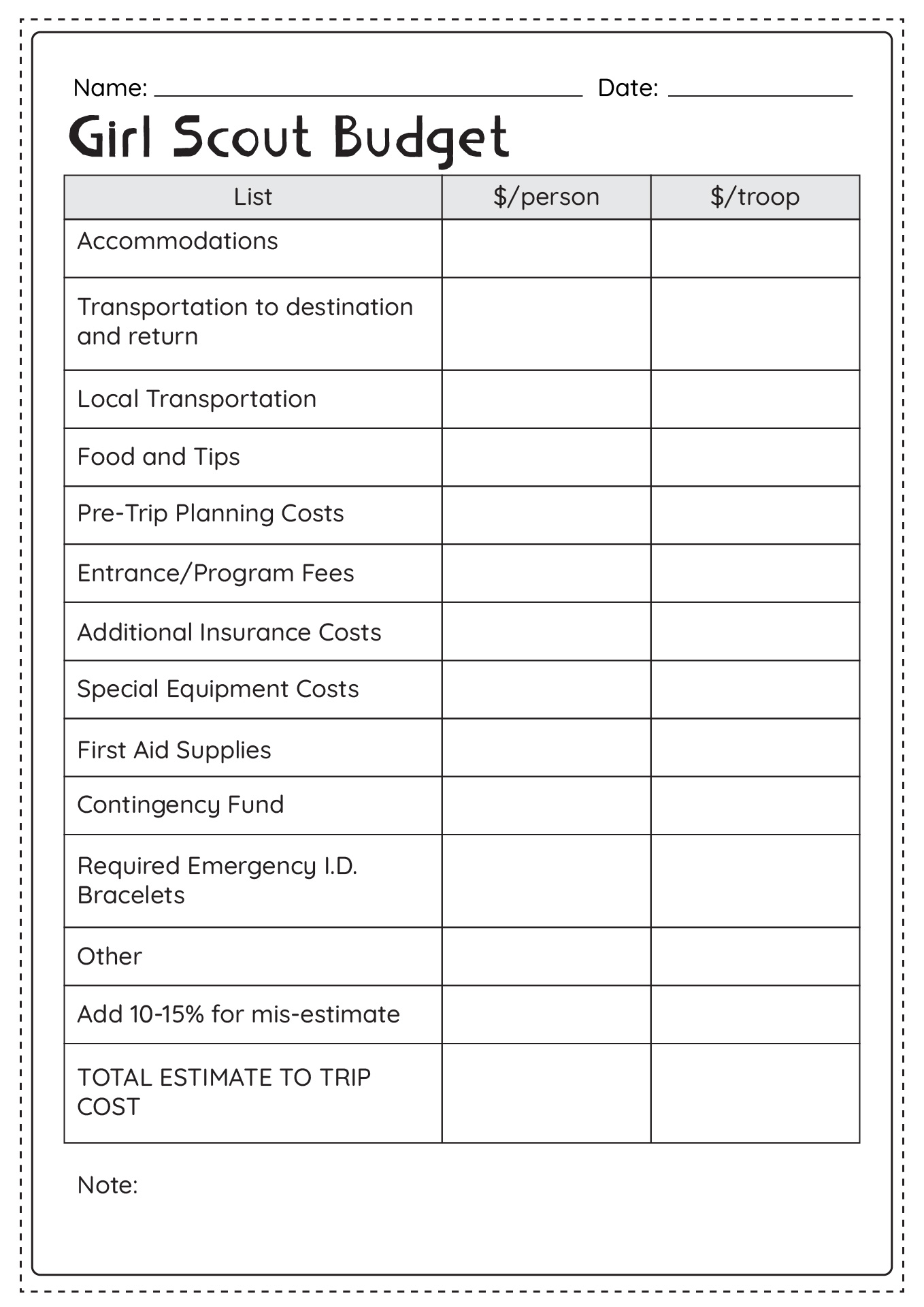
- Underestimating Costs: Always overestimate your expenses slightly to avoid surprises. It’s better to have a surplus than to fall short.
- Ignoring Variability: Some expenses may fluctuate. For example, transportation costs can vary based on fuel prices. Keep this in mind when planning your budget.
- Neglecting Fundraising: Don’t forget to plan for fundraising activities. Having a strategy in place can help ensure that income goals are met.
- Failing to Communicate: Keep open lines of communication with all troop members regarding the budget. This fosters transparency and aids in building trust.