Managing finances in a non-profit organization can be challenging. An effective way to tackle this is by using an Annual Budget Worksheet Non Profit. This resource helps you plan your income and expenses, ensuring that you allocate funds wisely. It’s essential for maintaining transparency and accountability to your stakeholders while working toward your mission.
Understanding the Importance of an Annual Budget Worksheet
Creating a budget is not just about tracking expenses; it’s a strategic tool that can guide your organization toward its goals. An Annual Budget Worksheet serves multiple purposes:
- Clarity: It provides a clear overview of your projected income and expenses, allowing you to see the bigger picture.
- Accountability: It holds your organization accountable for financial decisions, ensuring that funds are used as intended.
- Planning: It helps in forecasting future financial needs and making informed decisions about fundraising and spending.
By prioritizing these aspects, a well-prepared budget can lead to more sustainable operations and increased trust from donors and stakeholders.
Components of the Annual Budget Worksheet Non Profit
A comprehensive Annual Budget Worksheet should include several key components that reflect your organization’s financial landscape:
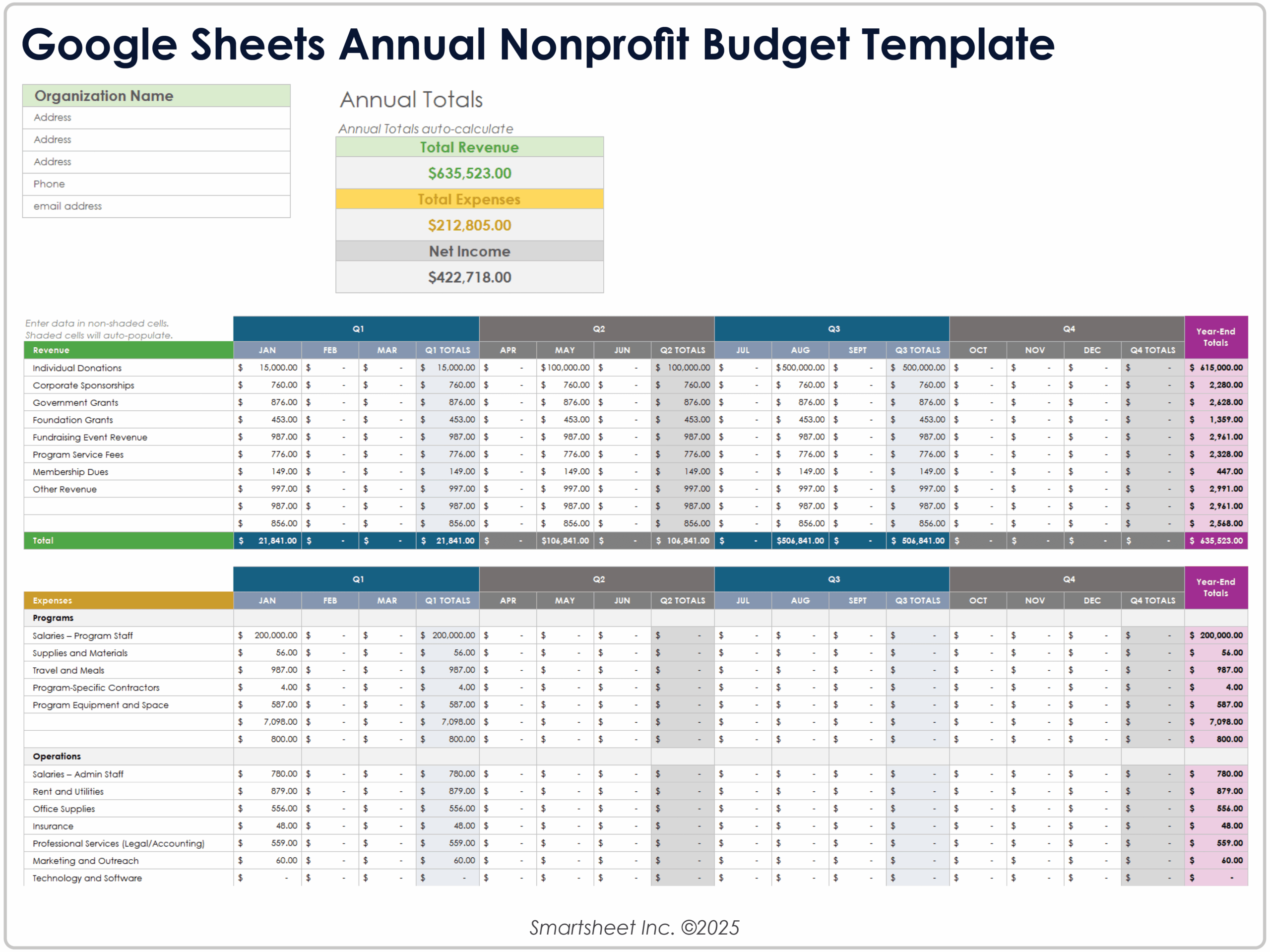
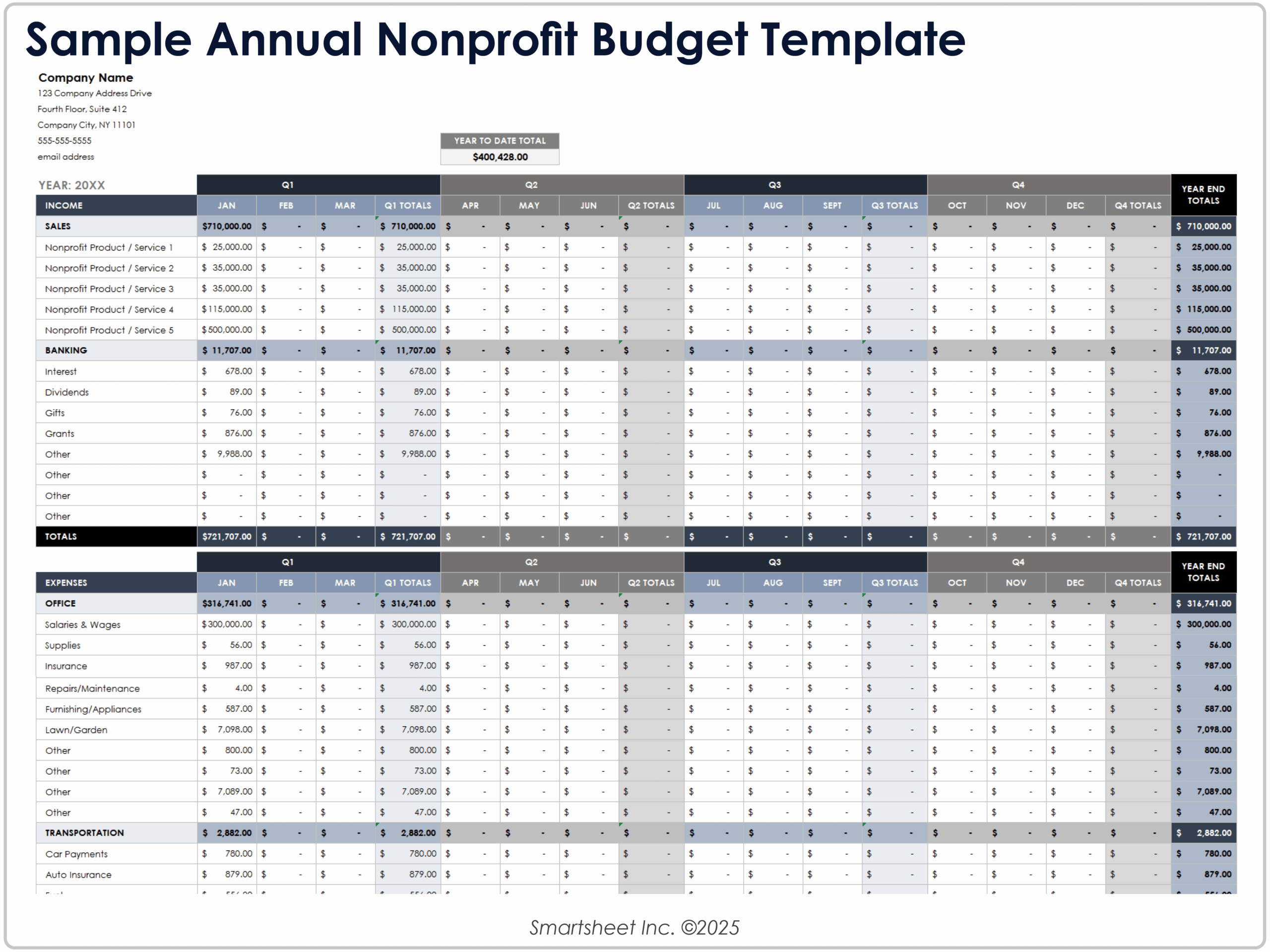
Income Sources
Identify all possible income sources, including:
- Donations: Contributions from individuals, corporations, and grants.
- Fundraising Events: Income generated from events designed to raise funds.
- Membership Fees: Revenue from organizational members.
- Program Service Fees: Income from services your organization provides.
Expense Categories
Your worksheet should also categorize expenses to provide clarity on where funds are being utilized:
- Program Expenses: Costs directly associated with delivering your services.
- Administrative Expenses: Overhead costs like salaries, office supplies, and utilities.
- Marketing and Outreach: Budget for promoting your programs and services.
- Fundraising Costs: Expenses related to fundraising events and campaigns.
Budget Period
Define the period your budget covers. Most non-profits use a fiscal year, but it can vary based on your organization’s needs. The worksheet should clearly indicate the start and end dates of the budget period.
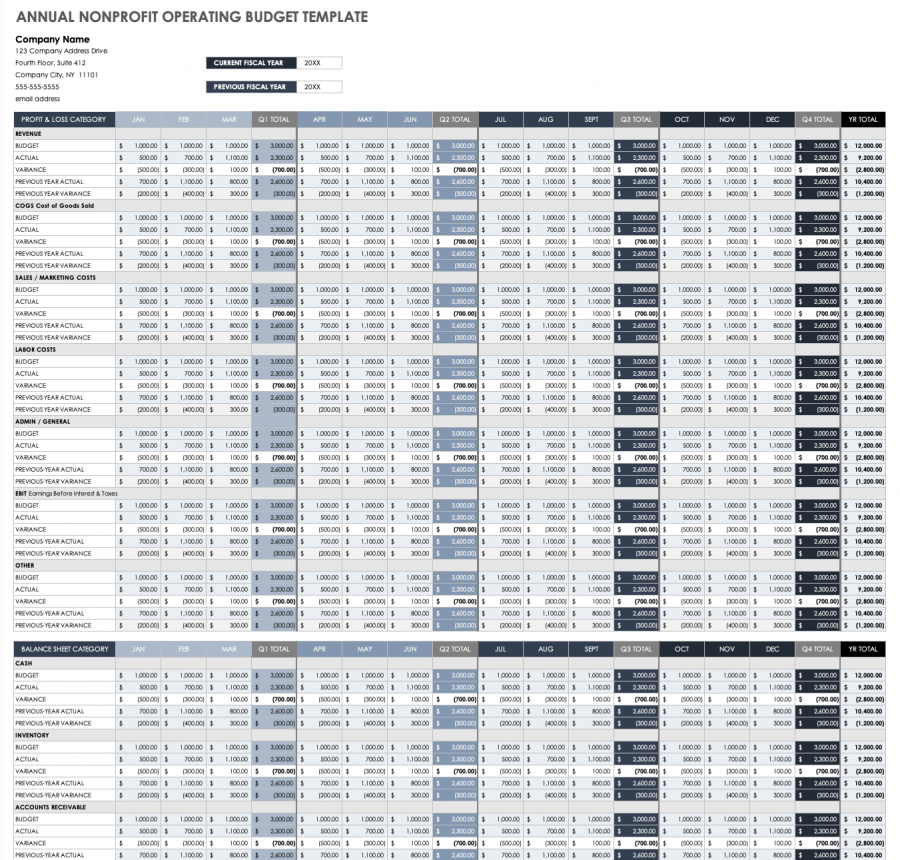
Actual Vs. Projected
Including a section for actual income and expenses allows for comparison against projected figures. This helps in analyzing performance and making adjustments as needed.
Setting Up Your Annual Budget Worksheet
To effectively set up your Annual Budget Worksheet, follow these steps:
- Choose a Format: Decide if you want a digital or printed format. Excel or Google Sheets works well for digital formats, allowing easy updates and calculations. For printed versions, a PDF format can be user-friendly.
- Download a Template: Many resources offer downloadable templates for an Annual Budget Worksheet Non Profit. Ensure the template includes all necessary components outlined above.
- Fill in Projected Income: Start by listing all anticipated income sources. Be realistic and base these projections on past performance where possible.
- Estimate Expenses: Next, estimate your expenses in each category. Research past expenses and consider any new programs or initiatives that may affect costs.
- Review and Adjust: Once the initial draft is complete, review the worksheet with your team. Make adjustments based on feedback and ensure alignment with organizational goals.
Monitoring and Evaluating Your Budget
Creating a budget is just the first step; monitoring it throughout the year is crucial. Here’s how to effectively track progress:
- Regular Reviews: Schedule quarterly reviews to compare actual income and expenses against your budget. This helps identify variances and allows for timely adjustments.
- Adjust as Necessary: If actual income falls short or expenses exceed projections, be prepared to make necessary changes, whether that’s cutting costs or seeking additional funding.
- Engage Your Team: Keep your team informed about budget performance. This fosters a culture of financial responsibility and encourages everyone to contribute ideas for cost-saving or income-generating initiatives.
Tips for Effective Use of the Annual Budget Worksheet Non Profit
Here are some practical tips to enhance your budgeting process:
- Use Clear Labels: Ensure every line item is clearly labeled to avoid confusion. This aids in communication among team members.
- Consider Seasonal Variations: If your income or expenses fluctuate seasonally, factor this into your projections to avoid cash flow issues.
- Keep It Simple: Avoid overcomplicating the worksheet. A straightforward layout is easier to understand and use.
- Prepare for the Unexpected: Allocate a small percentage of your budget for unforeseen expenses or emergencies. This safety net can be invaluable.
By following these steps and tips, the Annual Budget Worksheet Non Profit can serve as a powerful tool in your financial management arsenal. It’s not just about tracking numbers; it’s about making informed decisions that align with your mission and goals. Start implementing this resource today, and watch your organization’s financial health improve.