Creating a budget can feel overwhelming, especially for small-business owners juggling multiple expenses. The America’s Cheapest Family Budget Worksheet is a straightforward tool designed to simplify this process. This resource offers a clear structure for tracking income and expenses, making it easier to see where your money is going and how to save more effectively.
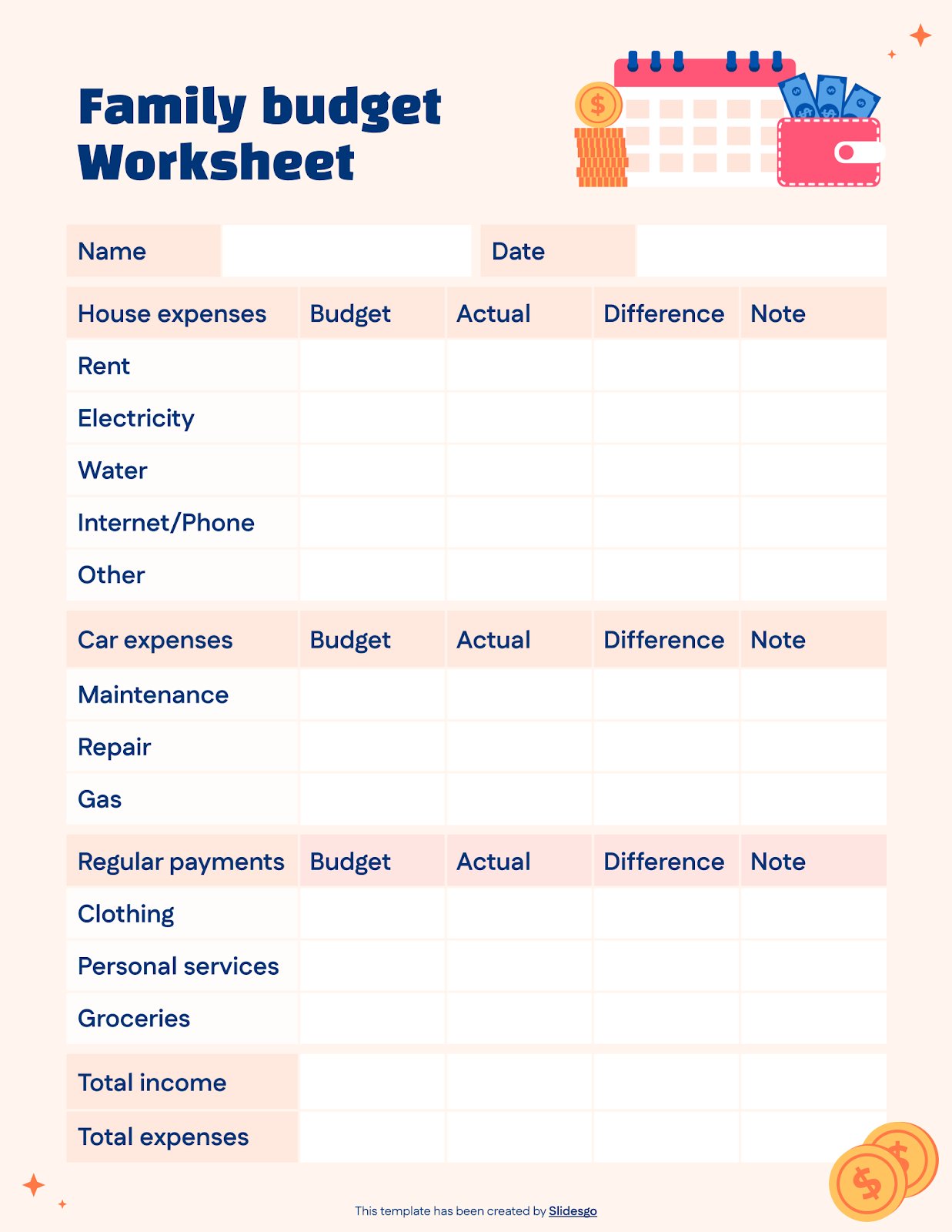
Understanding the America’s Cheapest Family Budget Worksheet
The America’s Cheapest Family Budget Worksheet is a printable resource that provides a framework for managing personal and family finances. It typically includes sections for listing income sources, fixed expenses, variable expenses, and savings goals. This worksheet is suitable for individuals, families, and small-business owners who want to gain control over their financial situation.
Key Components of the Worksheet
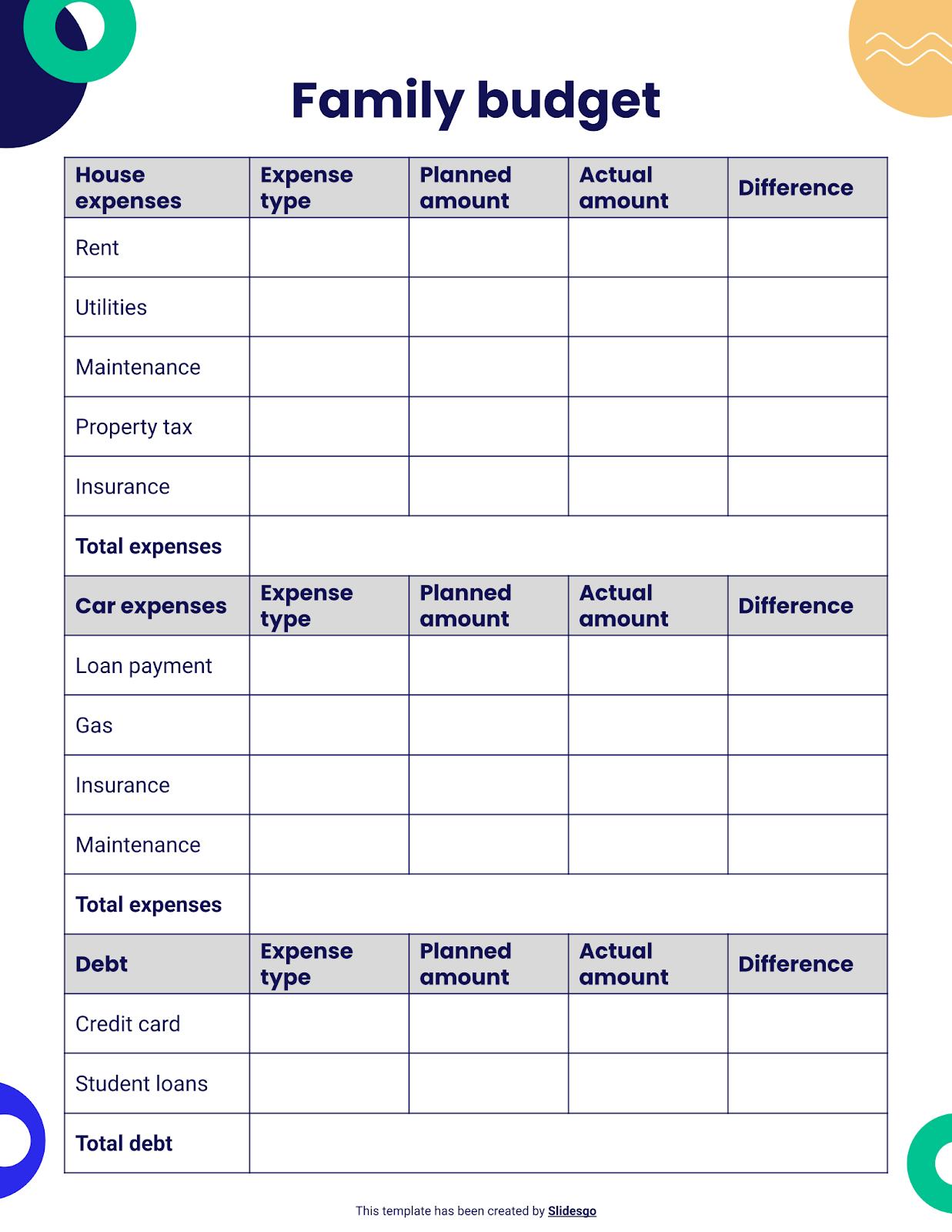
- Income Section: This is where you’ll document all sources of income, including salaries, freelance work, and any side hustles. Having everything in one place helps identify total earnings, which is crucial for budgeting.
- Fixed Expenses: These are regular, recurring costs such as rent or mortgage payments, utility bills, and insurance premiums. Listing these expenses helps you understand your essential spending.
- Variable Expenses: This section is dedicated to costs that can fluctuate month to month, like groceries, entertainment, and dining out. Tracking these can reveal areas where you might cut back.
- Savings Goals: This part encourages setting aside money for future needs, whether for emergencies, vacations, or retirement. Establishing savings goals can motivate you to spend less in other areas.
How to Use the America’s Cheapest Family Budget Worksheet Effectively
Using the worksheet is straightforward, but following a structured approach will yield the best results. Here’s a step-by-step guide to making the most of this budgeting tool.
Step 1: Download and Print the Worksheet
First, locate the America’s Cheapest Family Budget Worksheet on your preferred printable-resource website. Download the PDF version to avoid any formatting issues. Print it on standard letter-size paper (8.5” x 11”), which is compatible with most home printers.
Step 2: Gather Financial Information
Before filling out the worksheet, gather all relevant financial documents. This includes pay stubs, bills, and bank statements. Having everything on hand will make it easier to input accurate figures.
Step 3: Fill in the Income Section
Start by listing all sources of income in the designated section. Be thorough and include every possible source, as this will provide a clear picture of your total earnings. If your income varies, consider using an average from the past few months.
Step 4: List Fixed Expenses
Next, move on to the fixed expenses section. Write down all recurring costs, ensuring you include every expense. For small-business owners, this may include business-related expenses as well. Knowing these amounts helps you understand your non-negotiable spending.
Step 5: Track Variable Expenses
Once fixed expenses are documented, focus on variable expenses. For a month, keep track of what you spend in categories like groceries, gas, and entertainment. This may require a little effort, but it’s vital for identifying spending habits.
Step 6: Set Savings Goals
Lastly, think about your savings goals. Determine how much you want to save each month and write it down. This could be a specific amount or a percentage of your income. Having defined goals can motivate you to stick to your budget.
Tips for Maintaining Your Budget
Creating a budget is just the first step; maintaining it is where the real challenge lies. Here are some tips to help you stay on track:
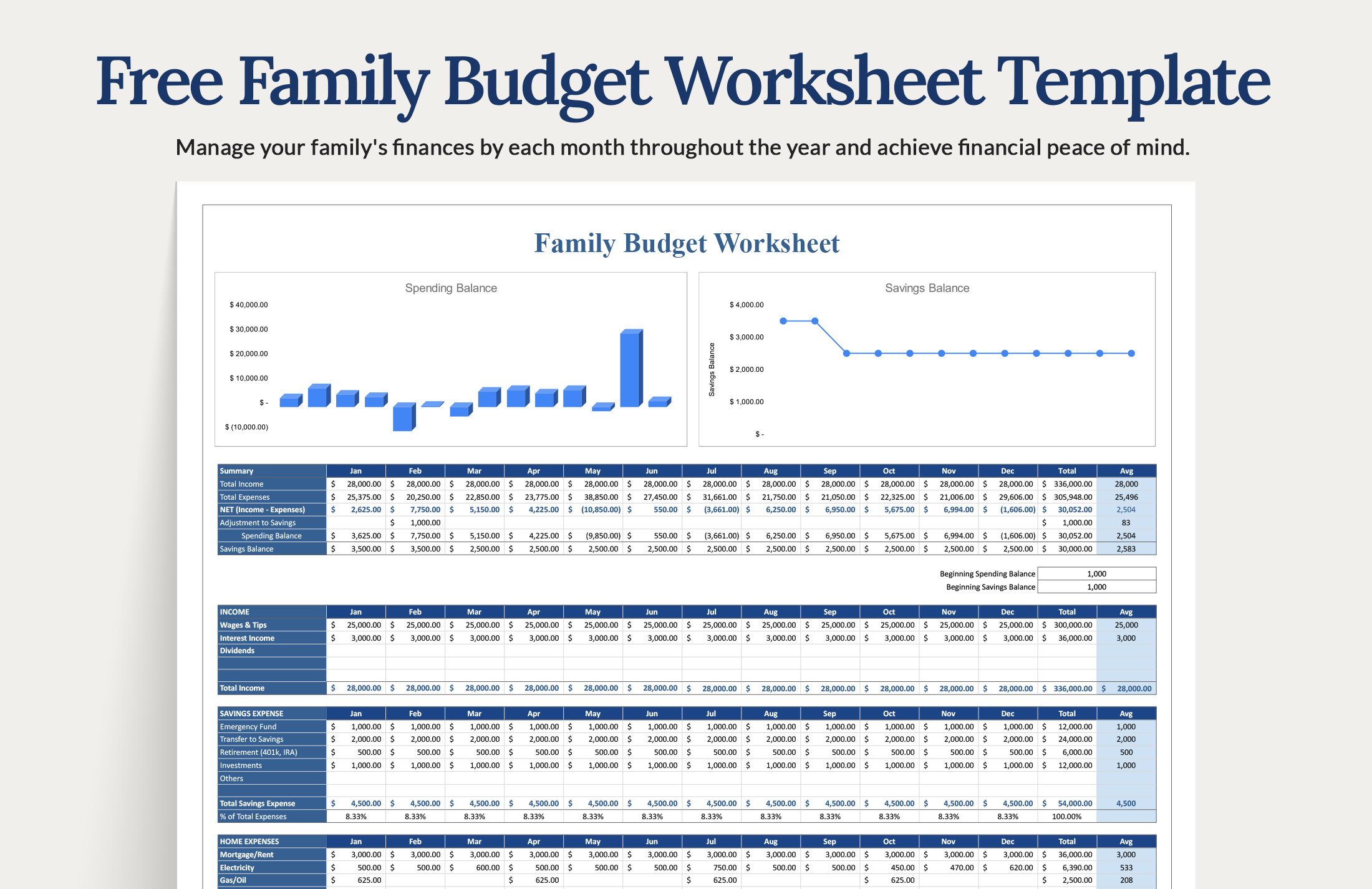
- Review Monthly: At the end of each month, review your worksheet. Compare your actual spending against your budget. This helps identify patterns and areas for improvement.
- Adjust as Needed: Life happens, and your budget should adapt. If you find certain expenses are consistently higher than anticipated, adjust your budget to reflect reality.
- Involve the Family: If using this worksheet for a family budget, involve all family members in discussions about spending and saving. This ensures everyone is on the same page and can help achieve financial goals together.
Common Mistakes to Avoid
While using the America’s Cheapest Family Budget Worksheet, be mindful of common budgeting pitfalls:
- Underestimating Expenses: It’s easy to overlook small expenses that can add up. Be thorough in your calculations to avoid this.
- Setting Unrealistic Goals: While it’s great to aim high, setting savings goals that are too ambitious can lead to frustration. It’s better to start small and increase the savings amount as you become more comfortable with your budget.
- Neglecting to Update: A budget is a living document. As your financial situation changes, so should your budget. Regular updates ensure it remains relevant and useful.