Managing a household budget can often feel overwhelming, especially when trying to balance expenses, savings, and family needs. A Mom’s Take Family Budget Worksheet provides a practical solution to streamline this process. This worksheet is designed to help families track their income and expenses, set financial goals, and ultimately gain more control over their finances.
Understanding the Family Budget Worksheet
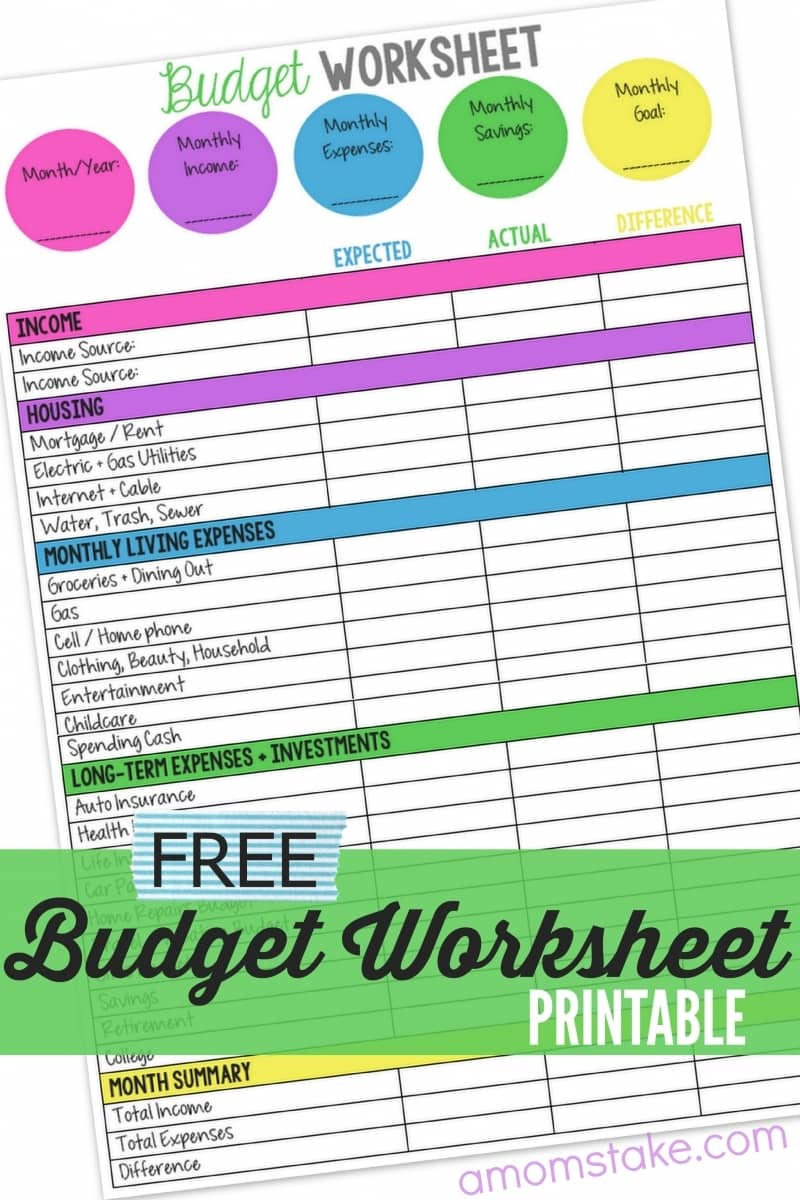
The Family Budget Worksheet is a printable resource that families can use to organize their financial data in one easy-to-read format. It typically includes sections for listing monthly income, fixed expenses, variable expenses, savings contributions, and debt payments. By filling out this worksheet, users can visualize their financial situation, making it easier to identify areas for improvement.
Key Components of the Worksheet
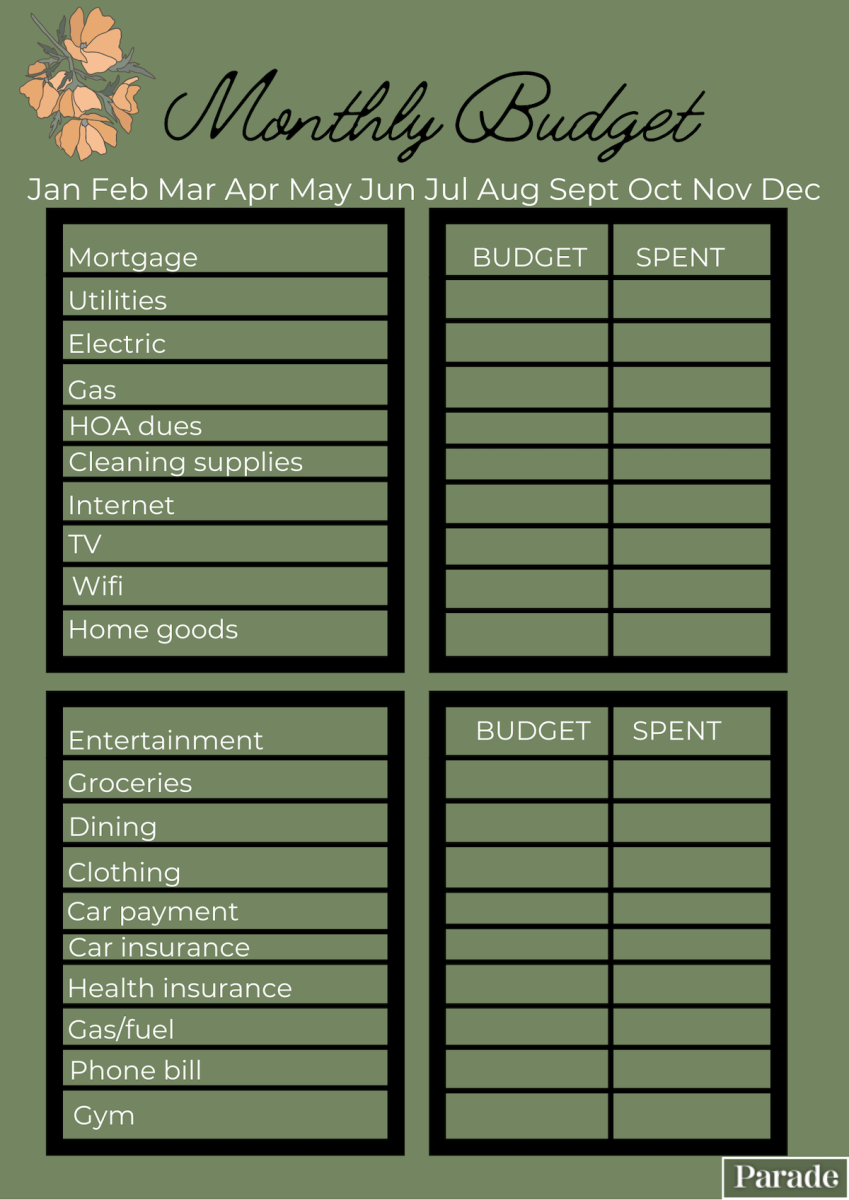
- Income Section: Here, you list all sources of income, including salaries, bonuses, and any side hustles. This section helps set the foundation for your budget.
- Expense Categories: The worksheet breaks down expenses into fixed (like rent or mortgage) and variable (like groceries and entertainment). This distinction allows for better tracking of where money is being spent.
- Savings Goals: Setting aside money for savings is crucial. This section lets families allocate funds toward emergency savings, vacations, or other financial goals.
- Debt Payments: Keeping track of monthly debt obligations is essential for financial health. This section helps ensure that payments are made on time, avoiding late fees and interest charges.
- Summary Section: At the bottom, a summary of total income, total expenses, and net savings helps families see their overall financial picture at a glance.
How to Use A Mom’s Take Family Budget Worksheet
Using the Family Budget Worksheet is straightforward, but it requires honest and accurate data entry. Here’s a step-by-step guide to get started:
- Download and Print: Begin by downloading the worksheet from the website and printing it out. Use standard letter-size paper (8.5 x 11 inches) for best results.
- Gather Financial Information: Collect all relevant financial documents, including pay stubs, bank statements, bills, and any records of variable expenses. This preparation makes the budgeting process smoother.
- Fill in Income Sources: Start by entering your total income for the month. Be sure to include all sources to get a complete picture.
- List Expenses: Carefully list all monthly expenses. Fixed expenses should be easy to identify, while variable expenses may require some estimation based on previous months’ spending habits.
- Set Savings Goals: Decide how much you want to save each month. This could be a percentage of your income or a fixed amount. Make sure to prioritize this in your budget.
- Review and Adjust: Once everything is filled out, review your numbers. If expenses exceed income, look for areas to cut back. Adjust your budget accordingly until you reach a balanced state.
- Track Progress: Throughout the month, keep the worksheet handy to track actual spending against your planned budget. Adjust as necessary to stay on track.
Tips for Effective Budgeting
To maximize the effectiveness of A Mom’s Take Family Budget Worksheet, consider these practical tips:
- Be Consistent: Regularly update the worksheet, ideally at the beginning or end of each month. This consistency helps maintain awareness of financial habits.
- Involve the Family: Make budgeting a family activity. Discuss financial goals and spending decisions together to ensure everyone is on the same page.
- Use Cash for Variable Expenses: Consider using cash for variable expenses like groceries and entertainment. This method can help prevent overspending.
- Review Regularly: Schedule monthly budget reviews to assess your financial health. This is an opportunity to celebrate successes and adjust goals as necessary.
- Stay Flexible: Life is unpredictable. Allow for flexibility in your budget to accommodate unexpected expenses or changes in income.
Printing and Downloading Tips
The worksheet is designed for easy printing, but here are some tips to ensure it looks great:
- Paper Choice: For durability, print the worksheet on heavier paper or cardstock, especially if it will be used frequently.
- Color vs. Black and White: If you’re printing in color, check that your printer settings are correct. Black-and-white printing can save ink and is often sufficient for this type of document.
- Orientation: Portrait orientation is typically best for most home printers, but consider landscape if you have a lot of information to include.
- Laminating: If you plan to reuse the worksheet, consider laminating it. This allows for dry-erase markers to be used, making it easy to update without printing new copies.
Evaluating Financial Mastery
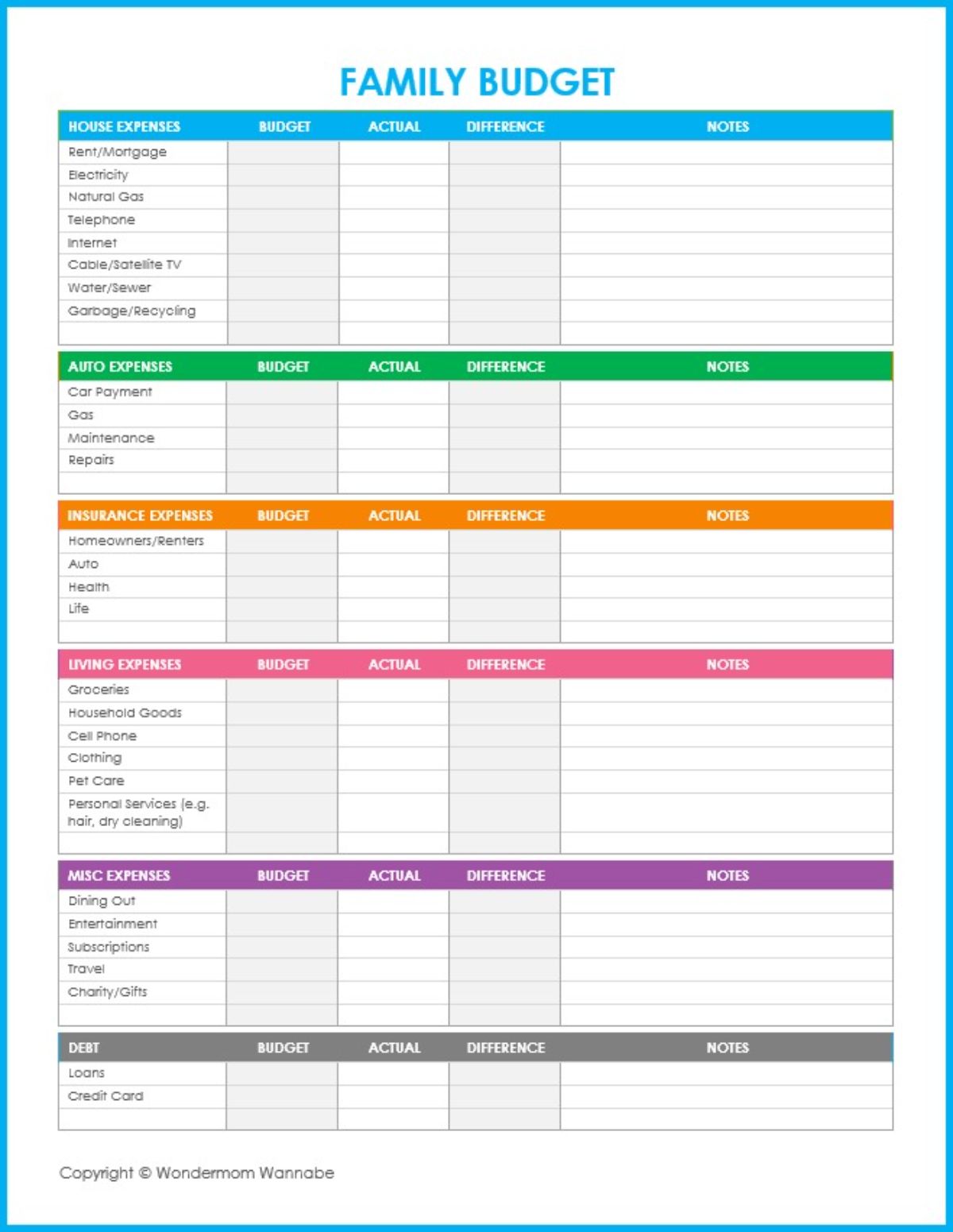
To determine if using A Mom’s Take Family Budget Worksheet has been effective, consider these indicators of financial mastery:
- Balanced Budget: Regularly achieving a balanced budget indicates a strong grasp of income and expenses.
- Savings Growth: If savings account balances are consistently increasing, it shows successful budgeting and prioritization of savings goals.
- Debt Reduction: Tracking debt payments should reflect a downward trend. This indicates effective management of financial obligations.
- Spending Awareness: Feeling more aware of spending habits demonstrates that the worksheet is influencing behavior positively.
By focusing on these indicators, families can identify whether they need to adjust their budgeting approach or continue with their current strategy.
Take the first step toward financial clarity today by downloading and using A Mom’s Take Family Budget Worksheet. By actively engaging in budgeting, families can pave the way for a more secure financial future.