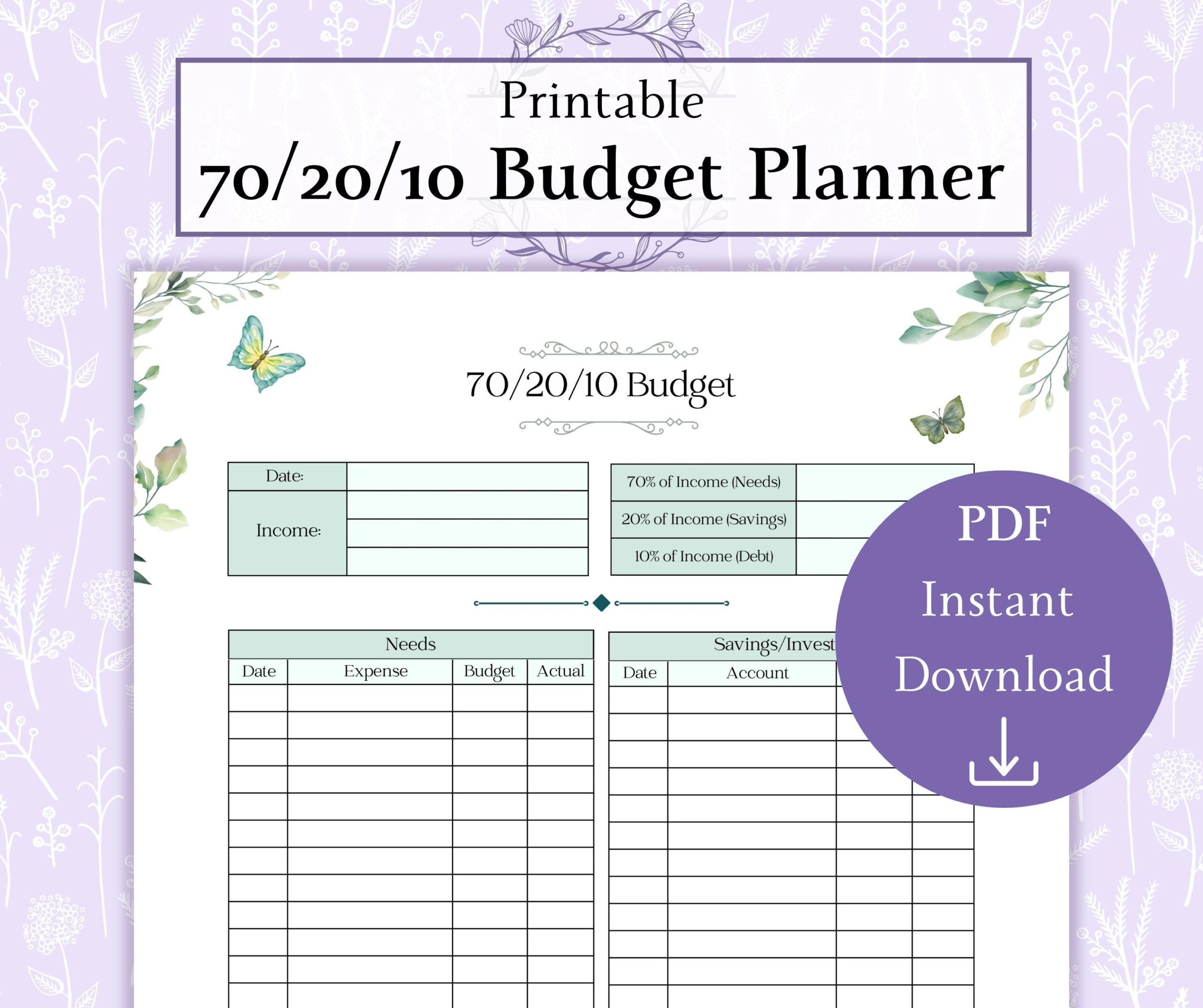
Managing personal finances can often feel overwhelming. You may find it challenging to allocate your income effectively while saving for future goals. A practical solution to this common problem is the 70-20-10 Budget Worksheet Printable. This resource helps you categorize your income into three main areas: needs, savings, and wants, making it easier to visualize your financial situation and plan accordingly.
Understanding the 70-20-10 Budgeting Method
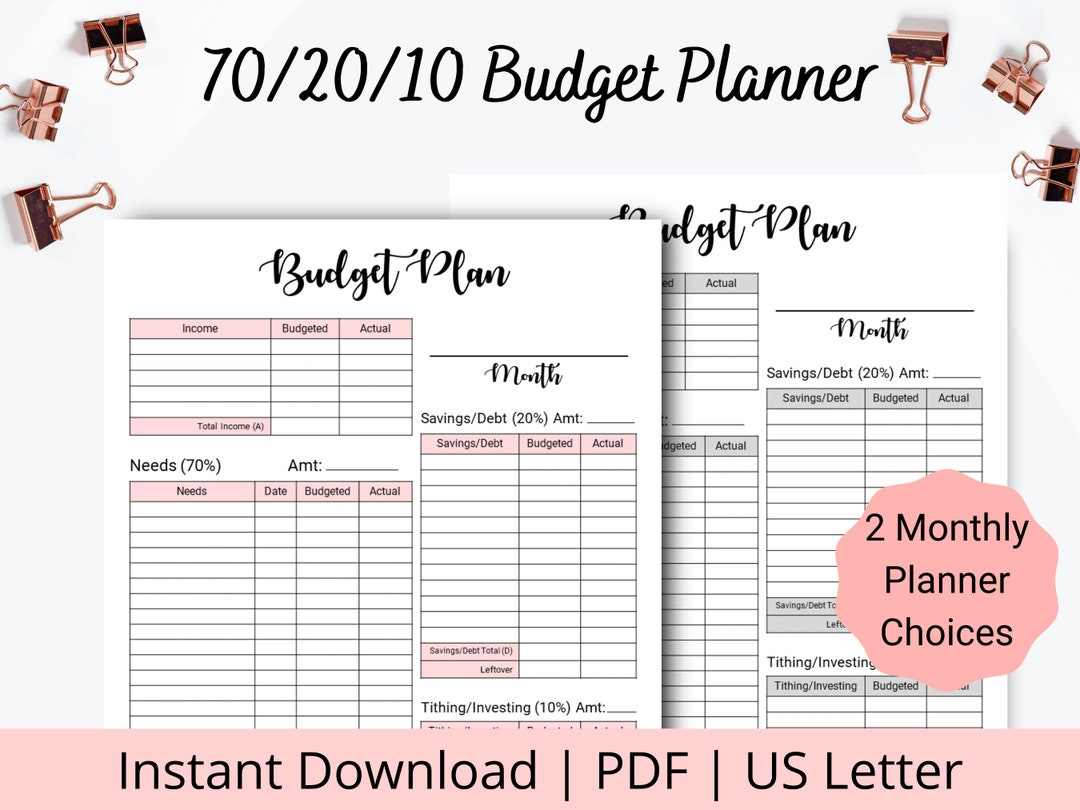
The 70-20-10 budgeting method is a straightforward framework designed to help you manage your finances. Here’s how it works:
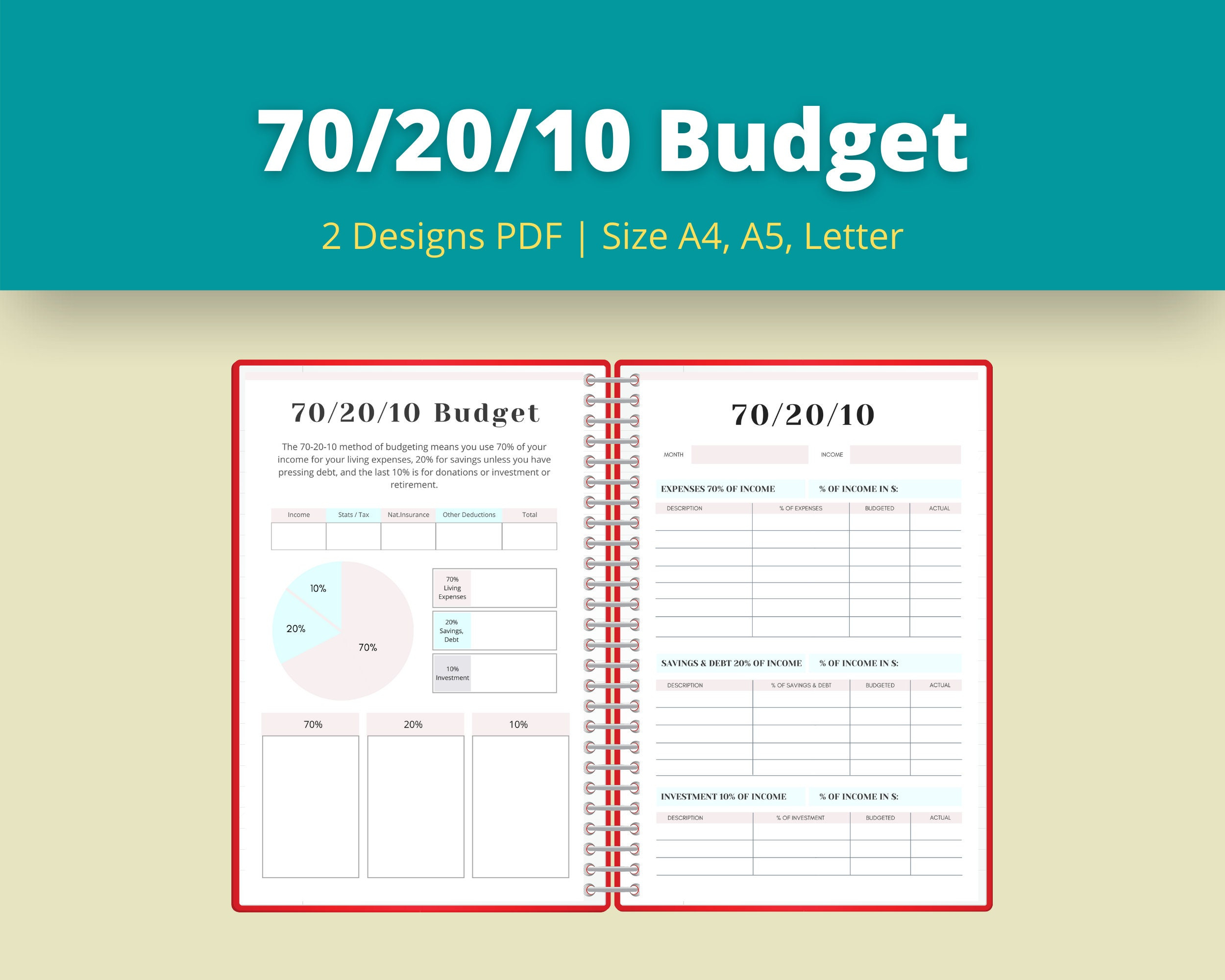
- 70% Needs: Allocate 70% of your income to essential expenses such as housing, utilities, groceries, and transportation.
- 20% Savings: Dedicate 20% of your income to savings. This includes contributions to retirement accounts, emergency funds, and other savings goals.
- 10% Wants: Use the remaining 10% for discretionary spending. This can cover entertainment, dining out, hobbies, or anything that brings you joy but isn’t essential.
This method encourages a balanced approach to spending and saving. By using the 70-20-10 Budget Worksheet Printable, you can track your expenses, identify areas for improvement, and ensure you’re living within your means.
How to Set Up Your 70-20-10 Budget Worksheet
Setting up your worksheet is simple. Follow these steps to get started:
- Download the Worksheet: Find a reliable source for the 70-20-10 Budget Worksheet Printable. Ensure it’s in a format compatible with your printer, typically a PDF.
- Print the Worksheet: Use standard letter-sized paper (8.5 x 11 inches) for easy handling. A thicker paper or cardstock is advisable if you plan to use the worksheet frequently.
- Gather Financial Information: Before filling out the worksheet, gather your income statements, bills, and any other relevant financial documents. This will give you a clear picture of your monthly income and expenses.
- Fill in Your Income: Start by entering your total monthly income at the top of the worksheet. This figure serves as the foundation for your budget.
- Allocate Your Budget: Break down your income according to the 70-20-10 rule. Write down your expenses under the needs, savings, and wants categories. Make sure to be as specific as possible.
This step-by-step setup not only organizes your finances but also provides a clear path to achieving your financial goals.
Monitoring Your Progress
Once you’ve filled out your 70-20-10 Budget Worksheet Printable, it’s crucial to monitor your progress regularly. Here are some tips on how to do this effectively:
- Monthly Review: Set aside time each month to review your budget. Look at your actual spending versus what you’ve allocated. This helps you understand where you might need to adjust.
- Adjust as Necessary: If you find that you’re consistently overspending in one category, you may need to reassess your budget. Perhaps your needs category is too tight, or you want to allocate more to savings based on your goals.
- Track Your Savings Goals: Use the worksheet to set specific savings goals. Whether you’re saving for a vacation, a new car, or a house down payment, tracking these goals can motivate you to stick to your budget.
By actively monitoring your budget, you’ll gain insights into your spending habits and make informed decisions to improve your financial health.
Tips for Using the 70-20-10 Budget Worksheet Effectively
To get the most out of your 70-20-10 Budget Worksheet Printable, consider these practical tips:
- Be Honest: When filling out your needs and wants, be realistic about your spending. This honesty will help you create a budget that works for you.
- Use Real Numbers: Always use actual figures from your financial documents rather than estimates. This accuracy will enhance your budgeting experience.
- Set Reminders: If you tend to forget to update your budget, set reminders on your phone or calendar. Regular updates keep your financial goals in sight.
- Consider Seasonal Expenses: Be mindful of seasonal expenses, such as holiday shopping or annual subscriptions. Adjust your budget accordingly to prevent surprises.
- Stay Flexible: Life can be unpredictable, so allow for some flexibility in your budget. If unexpected expenses arise, adjust your allocations as needed.
Using these tips will help you maintain control over your finances and ensure that your budget reflects your priorities.