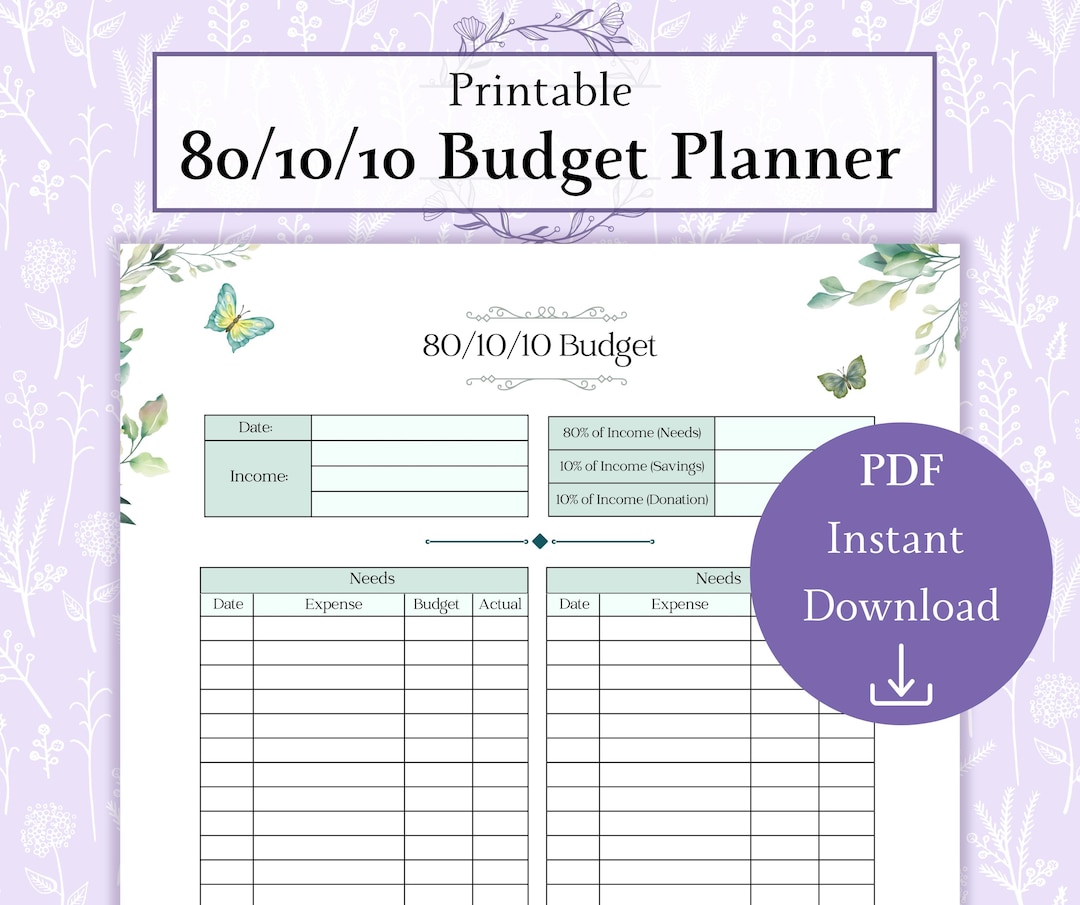
Creating a budget is crucial for the financial health of any small business, and the 10 10 80 Budget Worksheet is an effective tool for achieving this. This worksheet helps divide your income into three distinct categories: 10% for savings, 10% for debt repayment, and 80% for living expenses. Understanding how to use this simple yet powerful budgeting method can transform your financial management practices, making it easier to track expenses, save for future goals, and ensure your business remains sustainable.
Understanding the 10 10 80 Budgeting Method
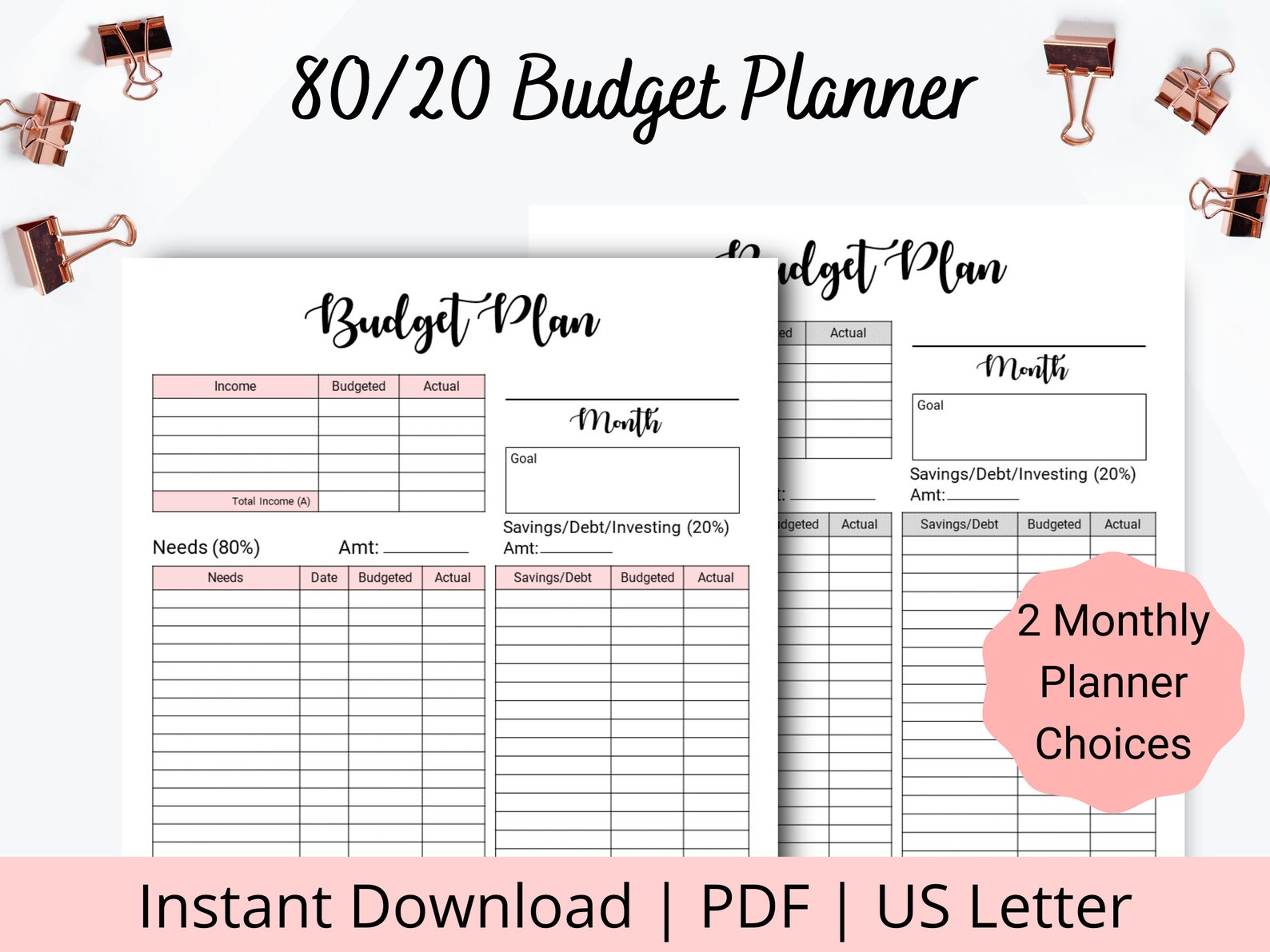
The 10 10 80 budgeting method is straightforward. It emphasizes a balanced approach to managing finances by allocating funds in a way that promotes both immediate living needs and long-term financial health. Here’s a breakdown of each category:
- 10% for Savings: This portion is set aside for savings, investments, or an emergency fund. This is essential for ensuring that you have a financial cushion during lean times or for future investments in your business.
- 10% for Debt Repayment: This allocation focuses on paying off any debts. Whether it’s loans, credit cards, or other financial obligations, prioritizing debt repayment can save you money on interest in the long run.
- 80% for Living Expenses: This is the largest portion of your budget and covers all necessary living expenses, including rent, utilities, payroll, and other operational costs.
Using the 10 10 80 Budget Worksheet allows small-business owners to visualize their financial allocations easily, making it simpler to stick to this framework.
Benefits of Using the 10 10 80 Budget Worksheet
Implementing the 10 10 80 Budget Worksheet offers several advantages:
- Clarity and Focus: By visually breaking down income into these three categories, business owners can clearly see where their money is going. This helps in making informed financial decisions.
- Encourages Saving: With a dedicated portion for savings, this method encourages a habit of saving, which is vital for long-term success.
- Debt Management: Allocating funds specifically for debt repayment can help ensure that debts are paid off more efficiently, reducing financial stress.
- Simplicity: The 10 10 80 method is easy to understand and implement, making it accessible for business owners who may not have extensive financial training.
- Adjustable: While the percentages serve as a guideline, the worksheet allows for flexibility. Business owners can adjust the allocations based on their unique circumstances while still maintaining a structured approach.
How to Use the 10 10 80 Budget Worksheet
Using the worksheet effectively requires a few simple steps:
- Download the Worksheet: Start by downloading the 10 10 80 Budget Worksheet from a trusted printable-resource website. Ensure it’s in a format that suits your printing preferences, typically PDF.
- Input Income: Write down your total income for the month at the top of the worksheet. This figure serves as the basis for your budgeting calculations.
- Calculate Allocations: Based on your total income, calculate 10% for savings, 10% for debt repayment, and 80% for living expenses. This can be done using simple multiplication:
- Savings: Total Income x 0.10
- Debt Repayment: Total Income x 0.10
- Living Expenses: Total Income x 0.80
- Track Expenses: As the month progresses, record your actual expenditures in each category. This helps identify areas where spending can be adjusted.
- Review and Adjust: At the end of the month, review your allocations and actual spending. If you find you’re consistently overspending in one area, consider adjusting your budget for the next month.
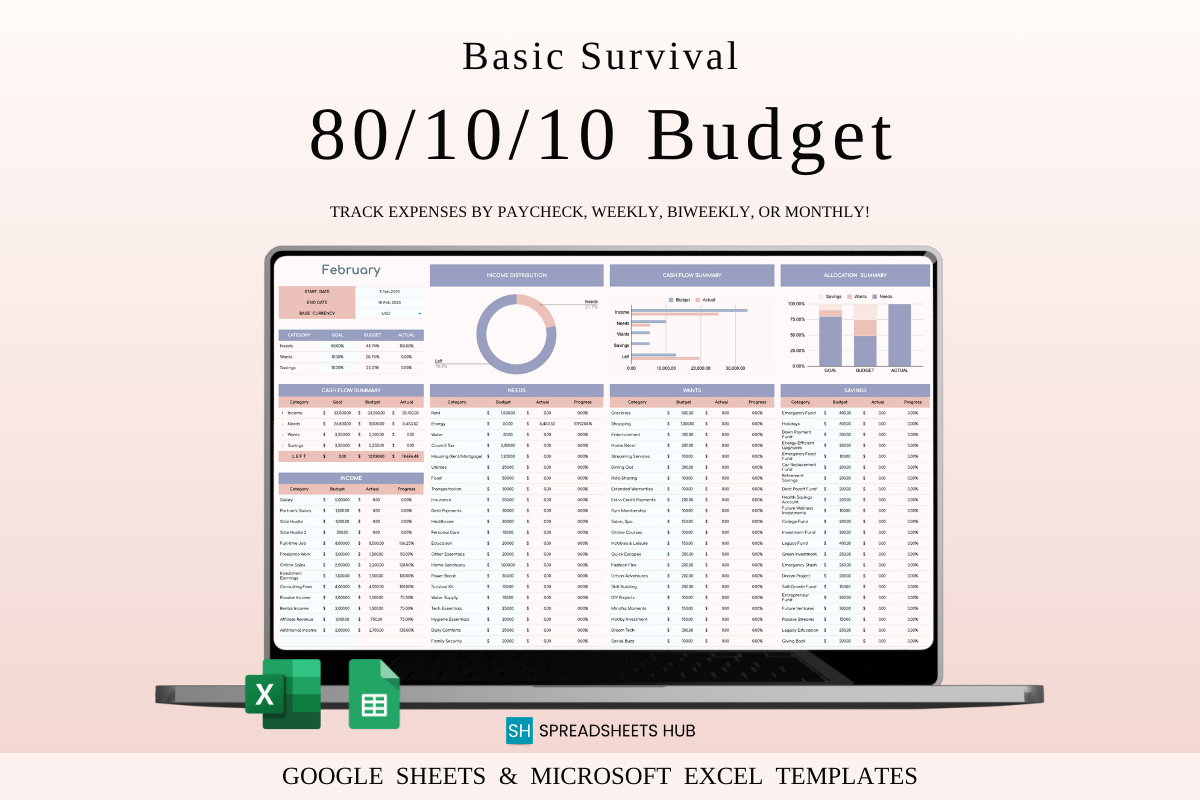
Tips for Maximizing the 10 10 80 Budget Worksheet
To get the most out of the 10 10 80 Budget Worksheet, consider these practical tips:
- Use a Separate Account for Savings: Keeping your savings in a separate account can prevent you from accidentally spending this money. This also makes it easier to track savings growth.
- Automate Debt Payments: Set up automatic payments for your debts to ensure you never miss a payment. This can help avoid late fees and keep you on track with your financial goals.
- Regularly Review Your Budget: Make it a habit to review your budget monthly. This practice allows you to stay informed about your financial situation and make necessary adjustments.
- Involve Your Team: If applicable, involve your team in the budgeting process. This can foster a culture of financial awareness and responsibility within your business.
- Use Additional Resources: Consider pairing the 10 10 80 Budget Worksheet with other financial resources, such as expense tracking apps, to enhance your budgeting efforts.